








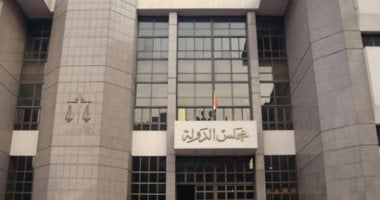
The First Chamber for Rights and Freedoms at the Administrative Judiciary Court decided today to postpone the hearing of the lawsuit filed by lawyer Hani Sameh, registered under number 86698 for judicial year 79, to the session of January 17, to submit a legal opinion report.
The lawsuit demands freezing and suspending the enforcement of the penal text stipulated in Article 25 of the Cybercrime Law No. 175 of 2018, which criminalizes “assaulting any of the principles or family values in Egyptian society.”
The plaintiff asserted that the contested text violates the constitution and principles of criminal legality due to its ambiguity and broad wording, which opens the door to expanded criminal prosecutions and contradicts the concept of a modern civil state.
He pointed out that the article has been used to prosecute TikTok girls and digital content creators, damaging Egypt’s cultural and tourism image and harming its digital economy by projecting an image of restricted freedoms and declining cultural openness, which has been a pillar of Egypt’s soft power for decades.
The lawsuit relied on the statements of Professor Dr. Ahmed Fathi Sorour in his book “Criminal Cassation,” stating that the self-applicable constitutional text overrides conflicting laws, and that constitutional provisions related to freedoms, thought, and creativity (Articles 65, 67, 71) are effective by themselves and prevail over lower laws.
The lawsuit also cited Articles 92 and 95 of the constitution, which confirm that rights and freedoms are not subject to suspension or diminution, and that penal texts must be clearly drafted to ensure the legality of crimes and penalties without ambiguity or confusion.
The lawsuit referred to the Supreme Constitutional Court ruling in case number 48 for judicial year 17, which emphasized that ambiguity in penal texts turns them into legal traps allowing expansion of criminalization beyond constitutional justice limits.
The lawsuit statement clarified that the broad use of the charge “assault on family values” threatens freedom of expression and artistic creativity guaranteed by the constitution and directly affects the tourism and digital economy sectors, as modern tourism goals depend on diversity, cultural openness, and promotion through influencers, artists, and bloggers.




Recommended for you
Talib Al-Rifai Chronicles Kuwaiti Art Heritage in "Doukhi.. Tasaseem Al-Saba"
Exhibition City Completes About 80% of Preparations for the Damascus International Fair Launch
Al-Jaghbeer: The Industrial Sector Leads Economic Growth
Unified Admission Applications Start Tuesday with 640 Students to be Accepted in Medicine
Egypt Post: We Have Over 10 Million Customers in Savings Accounts and Offer Daily, Monthly, and Annual Returns
His Highness Sheikh Isa bin Salman bin Hamad Al Khalifa Receives the United States Ambassador to the Kingdom of Bahrain