



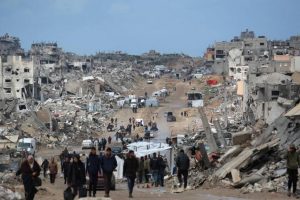

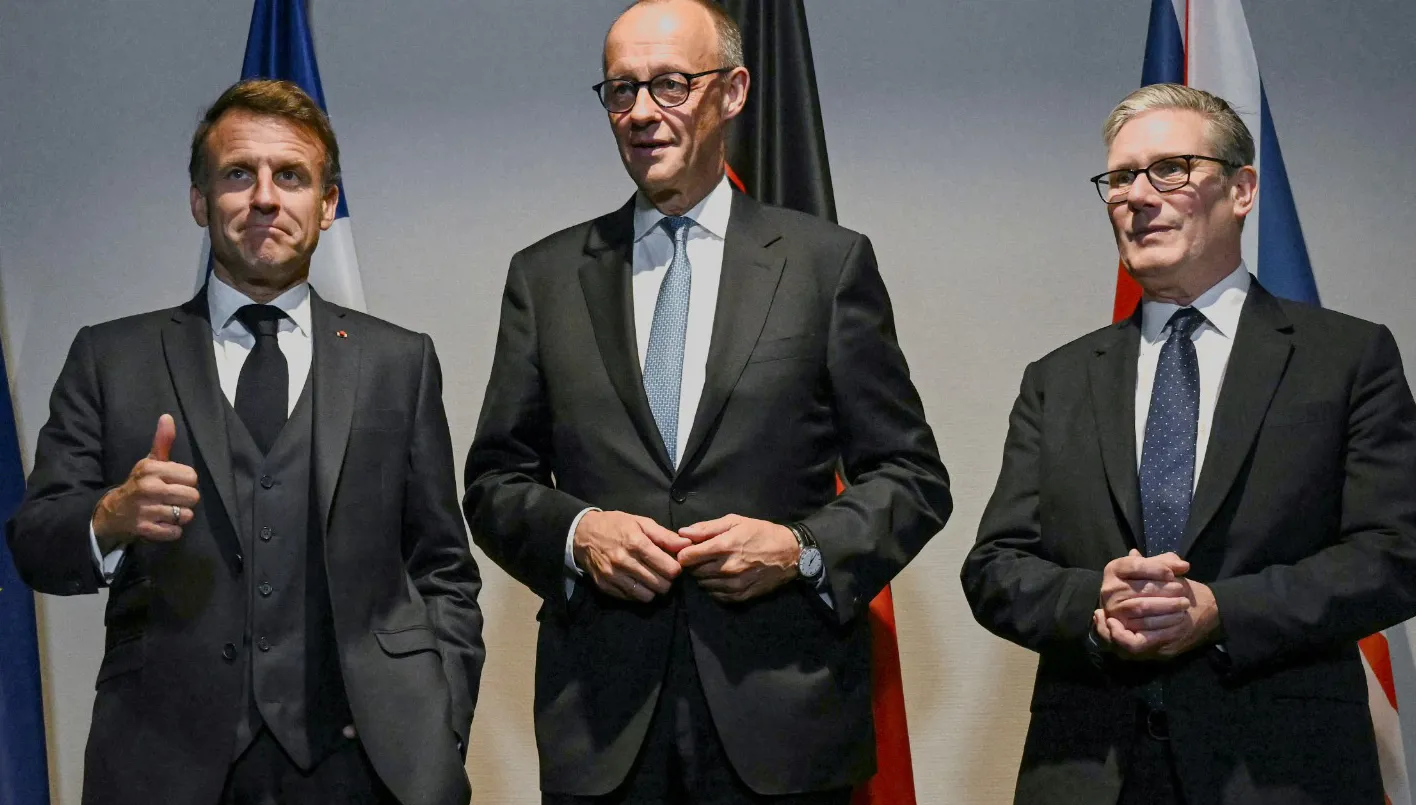

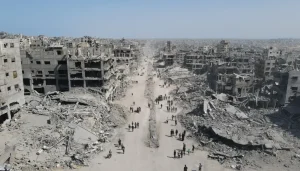
On Friday, the leaders of the United Kingdom, France, and Germany called on the United Nations Security Council to give its full support to the US peace plan for the Gaza Strip.
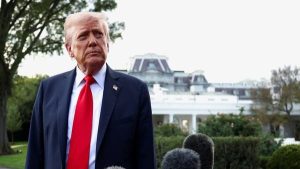
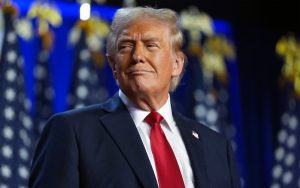
The three countries said in a joint statement, “We agree that the Security Council must give its full support to the plan and declare its endorsement of its implementation,” praising “the leadership of President Donald Trump on this file and the diplomatic efforts of mediators” Egypt, Qatar, and Turkey.
They pledged to resume humanitarian aid as soon as the ceasefire takes effect.
On Ukraine
In a statement published by the German government, the leaders agreed in a phone call to move towards using frozen Russian assets to support the Ukrainian army.
On Iran
Meanwhile, France, Germany, and the UK expressed their determination to revive negotiations with Iran regarding its nuclear program.
The three countries said in a joint statement, “We are determined to revive negotiations with Iran and the United States to reach a comprehensive, lasting, and verifiable agreement that ensures Iran never acquires nuclear weapons.”
They added, “We see the activation of the snapback sanctions mechanism as justified,” considering that “Iran’s nuclear program poses a serious threat to international peace and security.”
The United Nations reimposed sanctions on Iran on September 28, after ten years of lifting them following failed negotiations with Western countries. These sanctions range from arms embargoes to economic measures.
France, the UK, and Germany had previously announced they would continue seeking a “diplomatic solution” to the crisis, but Tehran confirmed earlier this week that it is not willing to resume talks “at this time.”
Western countries and Israel suspect Iran of seeking nuclear weapons, which Tehran denies, affirming its right to nuclear energy for peaceful purposes.
In 2015, after years of negotiations, France, the UK, Germany, the United States, Russia, and China reached an agreement with Tehran to regulate its nuclear activities in exchange for lifting sanctions.
In 2018, during Donald Trump’s first term, the US withdrew from the agreement and reimposed its sanctions on Tehran.
In response, Iran gradually abandoned some of its commitments under the agreement, primarily uranium enrichment, prompting the European trio to activate the snapback sanctions mechanism.
Recommended for you
Talib Al-Rifai Chronicles Kuwaiti Art Heritage in "Doukhi.. Tasaseem Al-Saba"
Exhibition City Completes About 80% of Preparations for the Damascus International Fair Launch
Al-Jaghbeer: The Industrial Sector Leads Economic Growth
Unified Admission Applications Start Tuesday with 640 Students to be Accepted in Medicine
Egypt Post: We Have Over 10 Million Customers in Savings Accounts and Offer Daily, Monthly, and Annual Returns
His Highness Sheikh Isa bin Salman bin Hamad Al Khalifa Receives the United States Ambassador to the Kingdom of Bahrain