









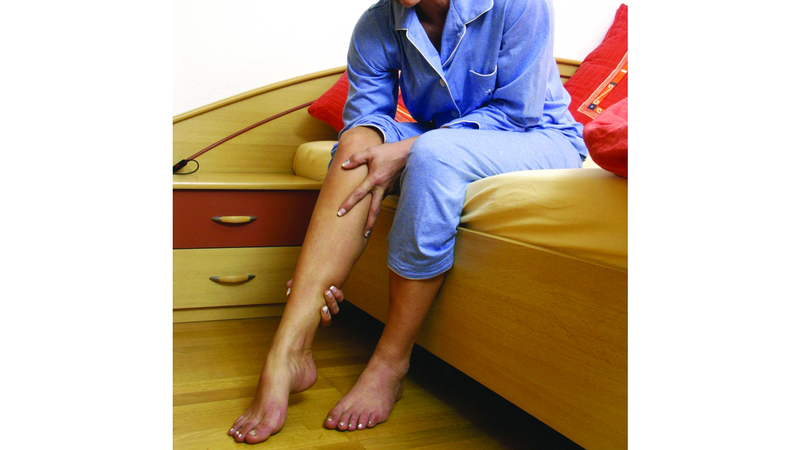
The German Federal Association of Internal Medicine Doctors reported that blood clotting is a partial or complete blockage in a blood vessel caused by a blood clot (thrombus), usually affecting the deep veins in the legs. However, blood clots can also occur in other parts of the body, such as the arms, pelvis, or even the brain.
Risk factors leading to blood clots include lack of movement (such as long trips, bed rest, and wearing plaster casts), surgery (especially bone or abdominal surgeries), pregnancy and postpartum period, use of hormonal contraceptives or hormone replacement therapy, cancers that increase clotting risk, genetic factors causing blood clotting (such as Factor V Leiden mutation), smoking, obesity, diabetes, and aging.
Typical symptoms of blood clots include feelings of tightness or pain, swelling and redness, skin color changes (blue or red), and visible, twisted superficial veins.
The association emphasized the necessity of seeking medical care immediately upon noticing these symptoms to avoid potentially life-threatening complications such as pulmonary embolism.
Warning signs of pulmonary embolism include sudden shortness of breath, chest pain and cough (possibly with bloody sputum), rapid heartbeat, dizziness, fainting, or circulatory collapse.
Treatment of blood clots aims to dissolve the clot or prevent its spread, and includes:
- Anticoagulants: blood-thinning drugs such as heparin (initially) and monoamine oxidase inhibitors (like apixaban and rivaroxaban) for long-term treatment.
- Compression therapy: medical compression stockings support venous blood return and prevent swelling.
- Movement: early exercise improves blood flow; unlike previous recommendations, bed rest should now be avoided.
- Clot dissolution or surgery (thrombectomy): in cases of massive clotting with imminent tissue damage or unstable pulmonary embolism. It is important to adhere to the prescribed treatment duration, usually ranging from three to six months at least. In cases of permanent risk, long-term medication may be necessary.




Recommended for you
Al-Jaghbeer: The Industrial Sector Leads Economic Growth
Alternative to UNIFIL Forces
Egypt Post: We Have Over 10 Million Customers in Savings Accounts and Offer Daily, Monthly, and Annual Returns
Talib Al-Rifai Chronicles Kuwaiti Art Heritage in "Doukhi.. Tasaseem Al-Saba"
Exhibition City Completes About 80% of Preparations for the Damascus International Fair Launch
Trump Advisor: Disarming Hamas is Central.. Palestinian Authority to Take Over Gaza After Required Reforms