









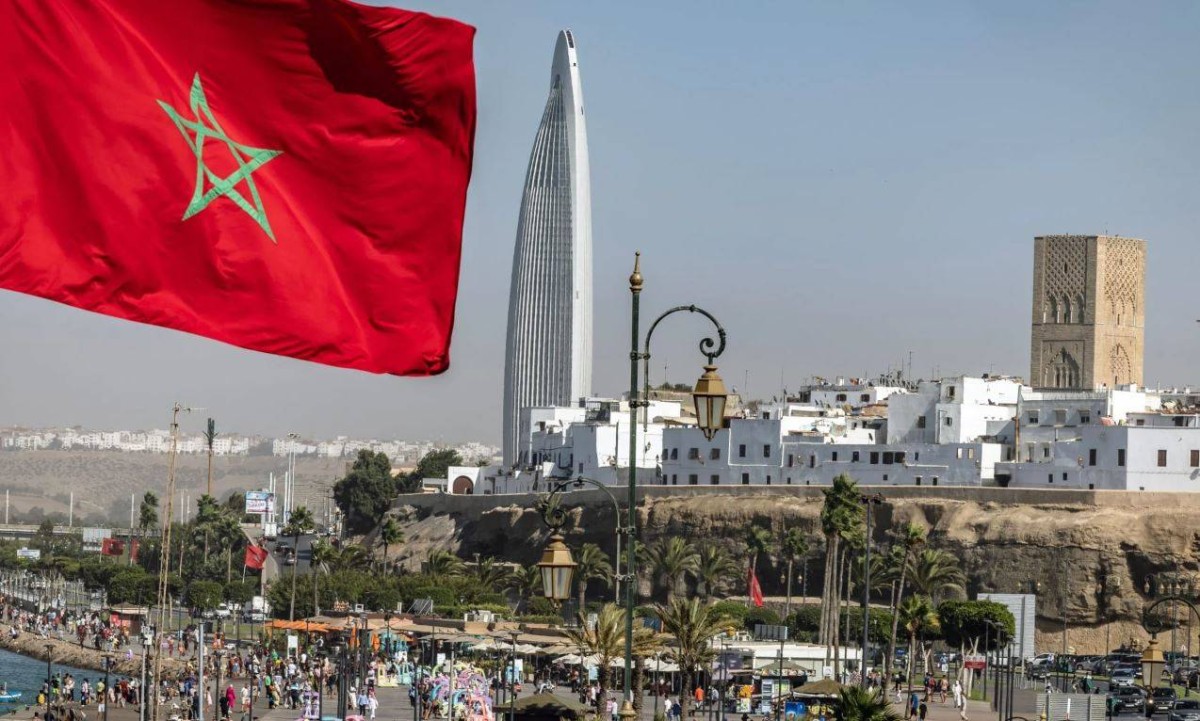
Morocco’s GDP grew by 5.5% in the second quarter of this year, supported by a recovery in agricultural activities, the main sector in the kingdom’s economy, marking the best quarterly performance since the last quarter of 2021, as domestic demand drove growth amid low inflation levels.
The High Commission for Planning, the government agency responsible for statistics, stated that the economy improved between April and June, after growing 3% during the same period in 2024 and 4.8% in the first quarter of this year.
According to the commission’s Tuesday note, non-agricultural activities recorded an annual increase of 5.5%, while agricultural activity rose by 4.7%, indicating a recovery in this sector, which employs the largest share of the workforce, after years of drought impact.
Despite the improved growth pace, the unemployment rate remains at its highest levels compared to the pre-COVID-19 period, reaching 12.8% at the end of the second quarter, according to previous commission data. Net jobs created in the second quarter did not exceed 5,000 positions, compared to 282,000 net jobs in the first quarter.
Abdelatif Jouahri, Governor of Bank Al-Maghrib, said in a press conference last week that central bank experts are discussing these figures with the High Commission for Planning to interpret them.
During the second quarter, domestic demand was the engine of Morocco’s economic growth in a context characterized by controlled inflation, according to the commission. The average inflation rate in the first eight months of the year was 1.1%, and it is expected to end the year at 1%, according to the latest forecasts of Bank Al-Maghrib.
Domestic demand was driven by a 6.5% growth in public administration expenditures, contributing about 1.2 percentage points to economic growth, while household consumption expenditures grew by 5.1%, contributing three percentage points to growth.
The kingdom’s GDP is expected to expand by 4.6% this year, up from 3.8% last year, according to the central bank, in line with government targets, and is expected to stabilize at 4.4% next year.

Recommended for you
Talib Al-Rifai Chronicles Kuwaiti Art Heritage in "Doukhi.. Tasaseem Al-Saba"
Exhibition City Completes About 80% of Preparations for the Damascus International Fair Launch
Al-Jaghbeer: The Industrial Sector Leads Economic Growth
Unified Admission Applications Start Tuesday with 640 Students to be Accepted in Medicine
Egypt Post: We Have Over 10 Million Customers in Savings Accounts and Offer Daily, Monthly, and Annual Returns
His Highness Sheikh Isa bin Salman bin Hamad Al Khalifa Receives the United States Ambassador to the Kingdom of Bahrain