






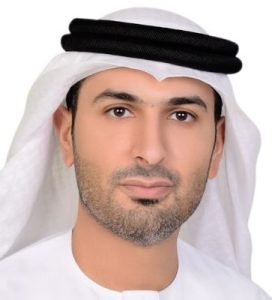


Former Foreign Minister Ambassador Nabil Fahmy stated that there is a systematic effort to change the identity of the Middle East through policies adopted by some non-Arab regional powers. He pointed out that the Iranian revolution was based on the idea of exporting revolutions to the region, while the Turkish movement is driven by a desire to lead the region from a religious rather than a national standpoint. Meanwhile, Israel seeks complete financial, political, and military dominance over the Middle East as the “world’s gateway to the region.”
Fahmy added, during his participation in the Maspero Cultural Salon broadcast on the First Channel on Saturday evening, that this trend coincided with the decline in the credibility of the external security cover that some Arab countries relied on. He explained that these countries’ ties to external security arrangements were justified during the Cold War era, but after that phase ended and the priorities of major powers changed, those guarantees no longer exist as before.
He pointed out that the interest of major powers in the Middle East declined after the Cold War ended and their policies towards the region shifted. He explained that the American focus was previously on competing with the Soviet Union and then on natural resources like oil and gas. However, these priorities declined with the development of American technology in energy and shale exploration, making the Middle East less important in direct American strategy.
Fahmy confirmed that this shift became clear when the United States did not respond to Iranian attacks against Saudi Arabia and the UAE during the Trump and Biden administrations, noting that this “is not surprising but reflects a real change in the priorities of American policy towards the region.”
The former foreign minister added that the three powers—Iran, Turkey, and Israel—differ in their tools and justifications but intersect in their desire for the region’s identity to be broadly Middle Eastern rather than Arab. This contrasts with the Arab nation-state that grants the majority to Arabs, while the Middle Eastern identity prioritizes material, political, and security capabilities.
Fahmy stressed that the current situation, despite its complexities, does not mean that Arab countries are incapable of initiating or regional action. He cited Egypt’s experience in the October War, which it fought despite its then differences with the Soviet Union, the main arms supplier, aiming to change the political equation and open the way for negotiation and peace.
He gave another example of Arab independent action with Egypt’s stance on the Trump administration’s plan regarding Gaza, explaining that Cairo was the only country to present a clear and specific alternative proposal to the displacement plan, gaining wide Arab, Islamic, and European support until the international discourse later shifted to an explicit rejection of forced displacement.
He confirmed that objection alone is not enough, and Arab countries must initiate and offer practical alternatives to protect their national security and regional identity, adding: “We must realize that we are capable of action and have a duty to protect our interests and national security with our own hands.”

Recommended for you
Talib Al-Rifai Chronicles Kuwaiti Art Heritage in "Doukhi.. Tasaseem Al-Saba"
Exhibition City Completes About 80% of Preparations for the Damascus International Fair Launch
Unified Admission Applications Start Tuesday with 640 Students to be Accepted in Medicine
Al-Jaghbeer: The Industrial Sector Leads Economic Growth
Egypt Post: We Have Over 10 Million Customers in Savings Accounts and Offer Daily, Monthly, and Annual Returns
His Highness Sheikh Isa bin Salman bin Hamad Al Khalifa Receives the United States Ambassador to the Kingdom of Bahrain