




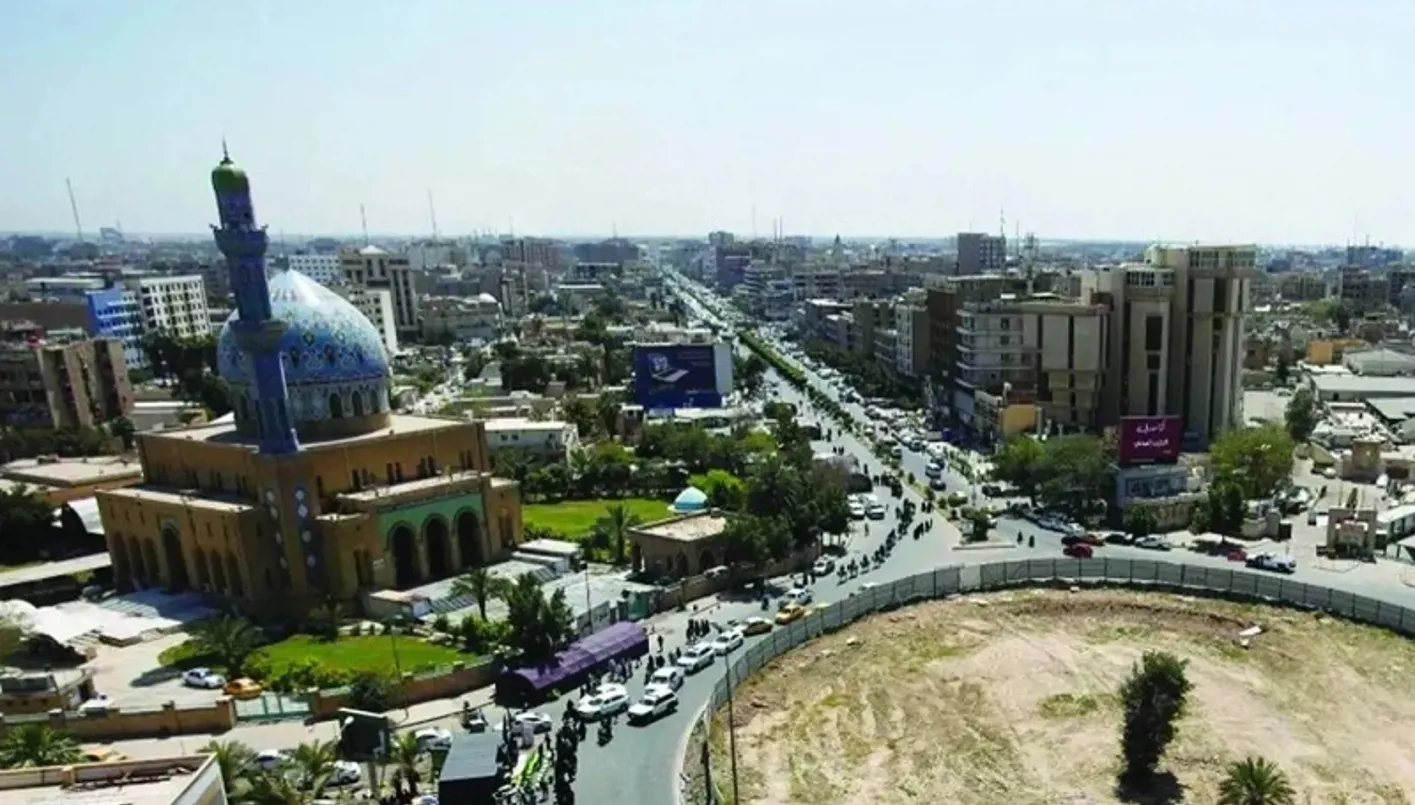
A view of the Iraqi capital Baghdad (Reuters).
Baghdad is witnessing an unprecedented urban renaissance suggesting a promising economic boom in a city exhausted by war, but Western reports warn that behind the glass facades and large projects, suspicious money and dark influence networks are at play.
The Economist magazine reported that Baghdad is experiencing an unexpected construction boom, and Iraq appears notably stable, attracting foreign investors and reshaping its capital.
Since Prime Minister Mohammed Al-Sudani took office in 2022, his government has built dozens of new bridges in Baghdad. At least four new hospitals have opened, including the first specialized cancer treatment center. More than 1,700 schools have been built or rebuilt. Six luxury hotels are scheduled to open. The government is also negotiating with international oil giants Chevron and ExxonMobil. Many government services have been digitized.
Several factors explain this intense urban activity, especially improved security. Iraq has not seen such calm since 2003.
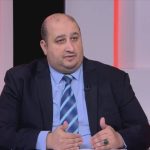
In this regard, Iraqi Prime Minister advisor Dr. Mazhar Mohammed Saleh told Annahar: “There is a mix of optimism and pessimism about the future or prosperity of the Iraqi economy. The Iraqi economy has indeed emerged from decades of shocks and disasters but remained resilient to those shocks, indicating that our country does not need additional resources to prosper but rather broad stability. Iraq is still ranked ninth worldwide in exploitable natural resources, along with growth in the young productive workforce as the country approaches a demographic dividend, with those under 30 expected to make up 60% of the population in the coming years.”
He added: “Our country is among the flexible economies entering the digital world in services, smart agriculture, and various productive fields. As long as the world economy relies on oil and gas energy, our country continues to generate foreign currency flows flexibly from oil revenues. Iraq today understands that political and economic stability is the foundation of its progress without neglecting development and energy programs. This is accompanied by a trend to invest in oil fields with major American oil companies entering Iraq for the first time with contracts to develop Iraqi oil infrastructure, signaling expanded growth opportunities and effective policies to drive development engines. Accordingly, Iraq’s international relations policy is moving on strong standards known as productive diplomacy in all fields.”
However, other changes have proven difficult. Al-Sudani notably avoided direct confrontation with Iran-backed militias that have allowed the Islamic Republic to control most of the country’s politics and economy, according to The Economist. Observers argue that Al-Sudani’s approach gives militias cover to enrich themselves and tighten their grip on the state.
Meanwhile, Iraqi academic and economic expert Dr. Nabil Al-Marsoumi told Annahar: “The word prosperity is big in Iraq. There is reconstruction in Baghdad and certain areas focused on bridges and some infrastructure projects, especially in the energy sector.”
He added: “Reconstruction in Iraq is certainly funded by oil revenues and large domestic debt,” pointing out that “oil money has not been used to diversify the productive base or activate various sectors and diversify income sources in the country.”
Al-Marsoumi confirms “there is development and foreign investment specifically in the energy sector,” noting that “the return of Western and American companies aims to balance the large Chinese influence in Iraq’s energy sector.”
On the other hand, reports indicate a dark side to this economic boom, including illicit financial flows, militia networks, and real estate illusions. American national security and law enforcement expert Sam Butler said the Iraqi economy is going through a contradictory phase: on one hand, Baghdad and other major Iraqi cities are experiencing a boom in ambitious real estate projects, luxury shopping centers, and towers; on the other hand, revelations about misuse of the financial system by networks linked to Iran-backed militias and corrupt banks are emerging.
Recommended for you
Talib Al-Rifai Chronicles Kuwaiti Art Heritage in "Doukhi.. Tasaseem Al-Saba"
Exhibition City Completes About 80% of Preparations for the Damascus International Fair Launch
Al-Jaghbeer: The Industrial Sector Leads Economic Growth
Unified Admission Applications Start Tuesday with 640 Students to be Accepted in Medicine
Egypt Post: We Have Over 10 Million Customers in Savings Accounts and Offer Daily, Monthly, and Annual Returns
His Highness Sheikh Isa bin Salman bin Hamad Al Khalifa Receives the United States Ambassador to the Kingdom of Bahrain