









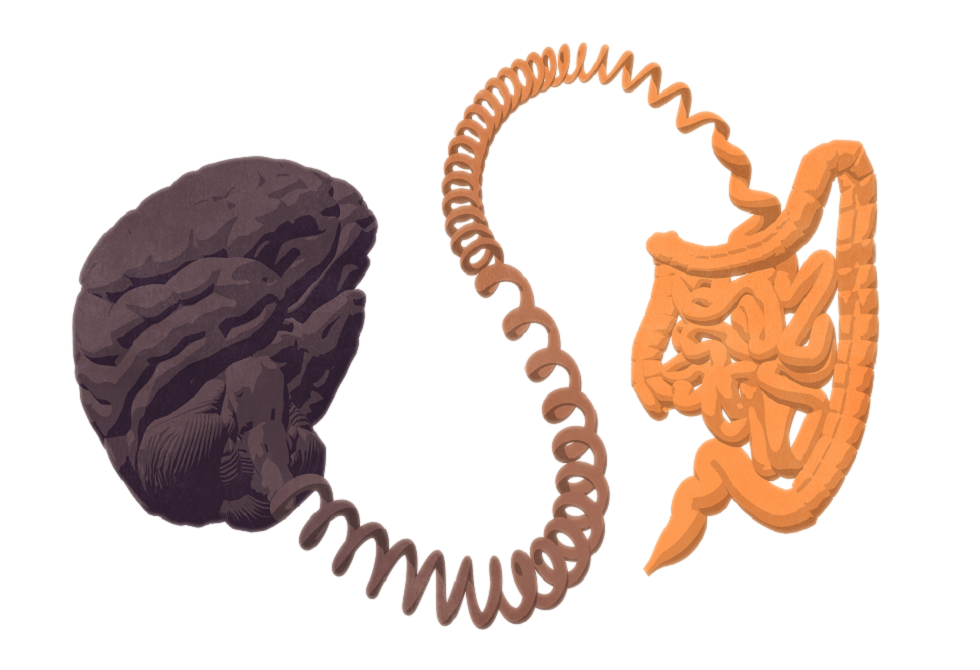
The study evaluated data from over 300 children with autism compared to more than 150 neurotypical children, using parent questionnaires and a long-term follow-up lasting about a decade.
Results showed that children with autism were initially 50% more likely to experience gastrointestinal symptoms such as bloating, constipation, and diarrhea. Over time, the risk increased significantly, making them four times more likely to suffer these symptoms compared to neurotypical children.
Constipation was the most common symptom among children with autism, reported by 32% compared to 11% in neurotypical children. Other symptoms such as abdominal pain, diarrhea, and gastroesophageal reflux disease (GERD) were also more prevalent.
Detailed Findings
The study revealed that gastrointestinal problems not only affect physical health but are also linked to worsening autism-related behaviors such as repetitive behaviors, sensory stimulation, aggression, anxiety, depression, sleep difficulties, and poor social interaction.
Dr. Christine Wu Nordahl, the lead researcher, said: “It’s not about finding one cause, but understanding the child as a whole. Supporting gut health is an important step to improving the quality of life for children with autism.”
Researchers explained that restrictive diets common among children with autism, often low in fiber and high in processed foods, may increase the risk of digestive issues like bloating, constipation, and diarrhea. They also noted that gut bacterial imbalances are common in this group, potentially increasing symptom likelihood.




Recommended for you
Talib Al-Rifai Chronicles Kuwaiti Art Heritage in "Doukhi.. Tasaseem Al-Saba"
Al-Jaghbeer: The Industrial Sector Leads Economic Growth
Exhibition City Completes About 80% of Preparations for the Damascus International Fair Launch
Unified Admission Applications Start Tuesday with 640 Students to be Accepted in Medicine
Egypt Post: We Have Over 10 Million Customers in Savings Accounts and Offer Daily, Monthly, and Annual Returns
His Highness Sheikh Isa bin Salman bin Hamad Al Khalifa Receives the United States Ambassador to the Kingdom of Bahrain