









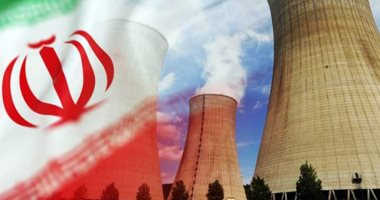
Iran has come under the umbrella of sanctions related to its nuclear activities, as the UN Security Council recently approved the reimposition of sanctions following the activation of the “snapback” mechanism by the European trio of the UK, France, and Germany, accusing Iran of “continued nuclear escalation” and “non-cooperation.”
The United Nations confirmed today that sanctions on Iran have been reactivated, while Israel stated it knows the location of enriched uranium in Iran and that war remains a possible option though with different tactics. The Israeli Foreign Ministry urged all countries to use every means to prevent Iran from developing nuclear weapons, calling the UN sanctions reimposition an important development.
Following the decision, which continues to reverberate, Germany, the UK, and France warned Iran against any escalatory moves after the UN sanctions were reinstated due to its nuclear program.
The foreign ministers of the three countries issued a joint statement emphasizing Tehran’s need to comply with its legal commitments, noting that the reimposition of sanctions does not mark the end of the diplomatic path.
In this regard, EU High Representative for Foreign Affairs and Security Policy, Josep Borrell, stated that the comprehensive sanctions reimposition on Iran’s nuclear program should not mark the end of diplomacy with Iran. (Note: The original article names Kaya Kallas, but Josep Borrell is the actual EU High Representative for Foreign Affairs.)
On the domestic front, Iran condemned the decision as “illegal.” Iranian Parliament Speaker Mohammad Bagher Ghalibaf warned of countermeasures but added that diplomacy will always remain on the table. Tehran confirmed its readiness to deal with these sanctions and that its nuclear program will not be canceled.
Regarding the US reaction, Secretary of State Marco Rubio stated that President Donald Trump sees diplomacy as the best option for the Iranian people and the world but stressed the need for Iran to engage in serious and swift negotiations. He added that the absence of an agreement necessitates immediate application of “snapback” sanctions to pressure the Iranian leadership.
The sanctions target companies, organizations, and individuals directly or indirectly contributing to Iran’s nuclear program or ballistic missile development, including providing equipment, expertise, or funding. Wide economic sectors in Iran will be affected, with UN member states required to restrict access to banking and financial facilities that may assist Iran’s nuclear or missile programs.
Anyone violating the sanctions regime may face asset freezes worldwide, and the sanctions include a ban on conventional arms sales or transfers to Iran, as well as prohibitions on importing, exporting, or transferring parts and technologies related to the nuclear or missile programs. Individuals involved in prohibited nuclear activities may also be banned from traveling to UN member states.
Alongside international sanctions, the EU may impose separate measures. Implementing the UN “snapback” requires member states to amend their laws accordingly, meaning the EU and the UK will need to enact legislation to enforce the sanctions, though details remain undisclosed.
The article adds that Iran’s preparedness, based on lessons learned from the previous war and especially US support, may pose greater challenges to Israel, including challenges not faced in the prior campaign. It notes that if US intervention is not as significant as before, questions arise about how to end the upcoming campaign and prevent it from turning into a war of attrition, which could harm Israel more than Iran due to its geographic size and historical experience in the Iraq war.
The article emphasizes that the Iranian regime is stronger than it appears and that there are no moderate alternatives ready to replace Khamenei even if Israel chooses to eliminate him. After the twelve-day war between Israel and Iran, Israel believed it had “won,” but a sense of victory is also growing in Iran, which does not fear another war and values its ability to achieve significant gains it failed to accomplish previously.
It states that Tehran prioritizes returning to a settlement path that could lead to lifting sanctions but recognizes the increasing likelihood of military escalation, especially amid Israeli threats to resume hostilities if the Islamic Republic seeks to rebuild its capabilities, focusing on the nuclear field.
Consequently, fearing another surprise attack, Tehran is learning from past mistakes and its conflict with Israel, focusing on developing its missile systems, evidenced by daily reports of missile tests and statements from senior regime officials. They also declare readiness to launch a preemptive strike if they believe Israel is about to attack and continue seeking solutions in Moscow and Beijing to develop their air defense systems, which collapsed during the last campaign.
In light of this, the diplomatic stalemate, the increasing possibility of Iran rehabilitating its nuclear facilities, and Israeli statements about readiness for another attack all exacerbate tensions and significantly increase the likelihood of escalation. Iran appears more prepared this time than during the previous war.

Recommended for you
Talib Al-Rifai Chronicles Kuwaiti Art Heritage in "Doukhi.. Tasaseem Al-Saba"
Al-Jaghbeer: The Industrial Sector Leads Economic Growth
Exhibition City Completes About 80% of Preparations for the Damascus International Fair Launch
Unified Admission Applications Start Tuesday with 640 Students to be Accepted in Medicine
Egypt Post: We Have Over 10 Million Customers in Savings Accounts and Offer Daily, Monthly, and Annual Returns
His Highness Sheikh Isa bin Salman bin Hamad Al Khalifa Receives the United States Ambassador to the Kingdom of Bahrain