








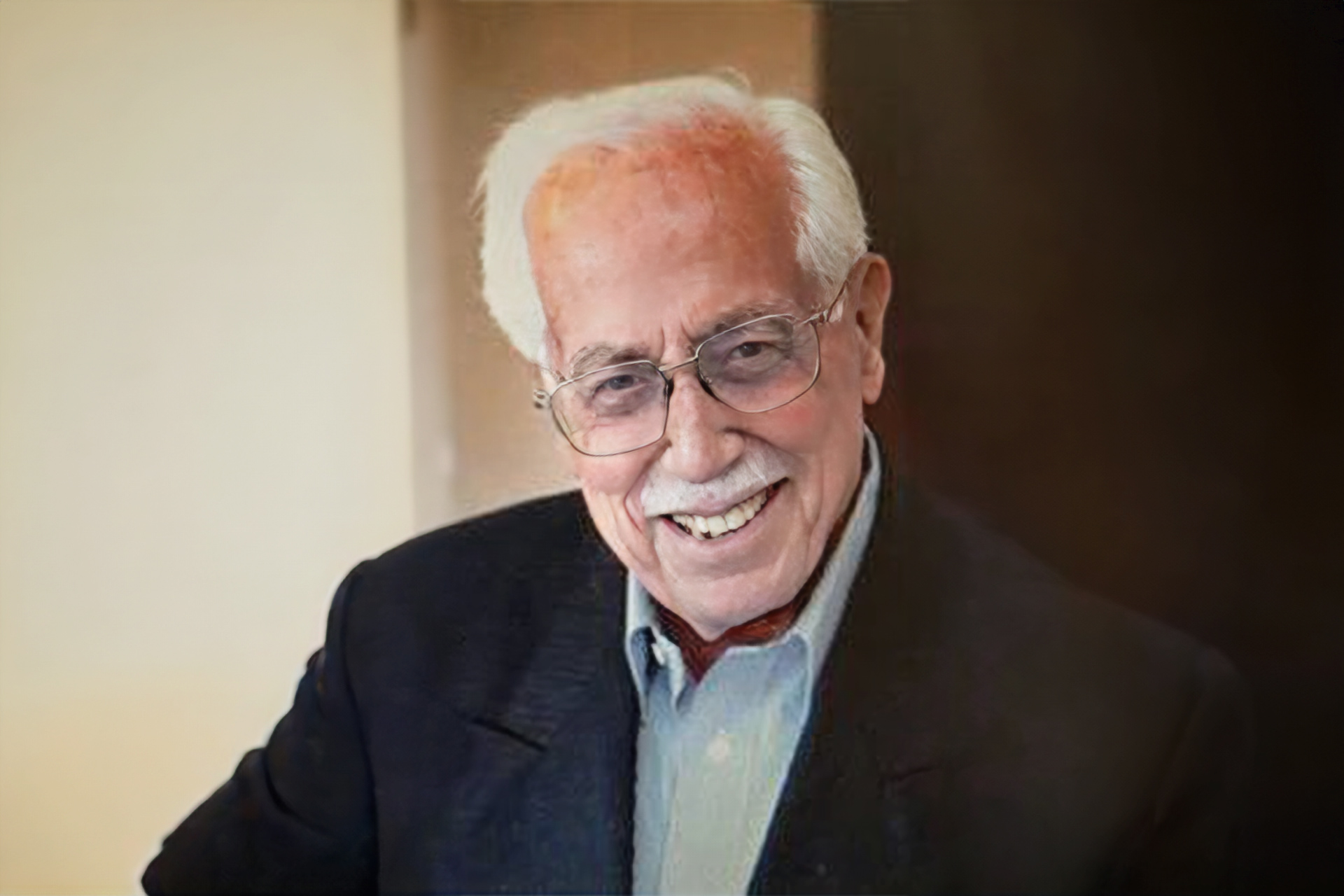
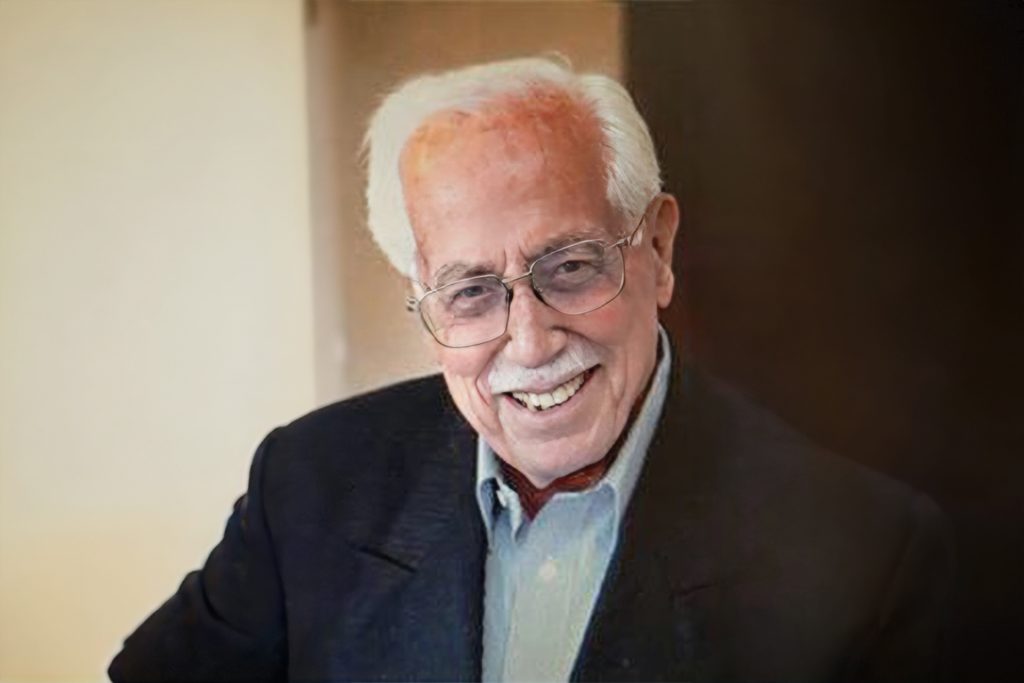
Ibrahim Al-Daqqaq was a Palestinian civil engineer and political activist, born in 1929 and died in 2016. He was a leader of the national movement after Israel occupied Palestinian territories in 1967 and a founding member of the Palestinian National Front, which organized political work in the 1970s.
Born in Jerusalem, he studied at various schools including the Islamic School (later called Al-Bakriya), and graduated from Al-Mutrak Secondary School in 1947. He earned a bachelor’s degree in science and mathematics from the American University in Cairo in 1952, and a bachelor’s degree in engineering from Robert College in Istanbul in 1961.
He worked at the Jerusalem Post Office during the British Mandate, taught mathematics in Kuwait for seven years, and worked as an engineer for the Union of Projects Company in Amman. He later founded a private engineering company in Jerusalem and managed several projects in the West Bank and Jordan.
After the 1967 occupation of Jerusalem, he remained in the city, helped activate the Engineers Syndicate, and contributed to establishing and unifying professional syndicates to resist Israeli occupation. He was elected head of the Engineers Syndicate in the occupied West Bank from 1978 to 1986 and led the national activity of the professional syndicates’ union.
He participated in founding the Palestinian National Front, chaired important conferences, and was involved in various institutions including Birzeit University and Al-Maqasid Hospital. He also co-founded the Palestinian National Initiative movement opposing the Oslo Accords in 2002.
He died on June 2, 2016, in Jerusalem and was buried after a large funeral procession from Al-Aqsa Mosque. Palestinian President Mahmoud Abbas mourned him, highlighting his leadership role in resisting occupation and promoting national unity.



Recommended for you
Talib Al-Rifai Chronicles Kuwaiti Art Heritage in "Doukhi.. Tasaseem Al-Saba"
Exhibition City Completes About 80% of Preparations for the Damascus International Fair Launch
Al-Jaghbeer: The Industrial Sector Leads Economic Growth
Unified Admission Applications Start Tuesday with 640 Students to be Accepted in Medicine
Egypt Post: We Have Over 10 Million Customers in Savings Accounts and Offer Daily, Monthly, and Annual Returns
His Highness Sheikh Isa bin Salman bin Hamad Al Khalifa Receives the United States Ambassador to the Kingdom of Bahrain