






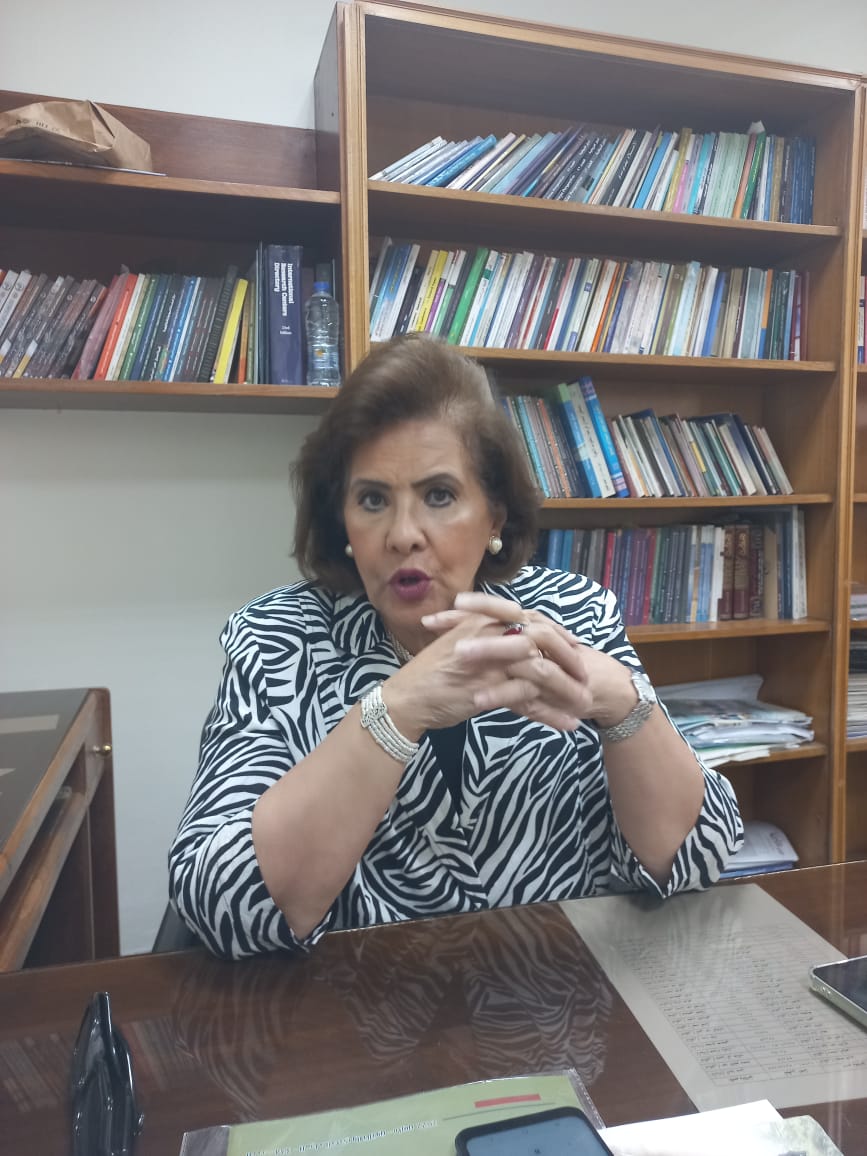
A few days ago, I attended a workshop organized by two organizations, one Egyptian and the other Sudanese, about the impact of the funding crisis on the humanitarian crisis suffered by Sudanese people, focusing on Egypt as the country hosting millions of Sudanese across various social groups.
From this workshop, several observations arise, including the pressures faced by Sudanese refugees, which contribute to confusion in expressing their crisis and needs in Egypt. These include poor adaptation to Egyptian society, lack of understanding of the legal and social environment, and limited access to labor markets in host countries, which worsens living conditions and increases pressure on Sudanese workers abroad who finance part of the needs of those not working in host countries.
For example, there is confusion between legally registered refugees with the UNHCR and those residing in Egypt on tourist visas that require residence permits and renewals, among various visa types with changing requirements. There also seems to be insufficient awareness of Egypt’s economic difficulties, which affect both its citizens and refugees. This lack of awareness accumulates anger, frustration, and pain that must be addressed. The Egyptian asylum law announced over a year ago was expected to alleviate this situation, but unfortunately, its executive regulations have been delayed, leading to worsening refugee conditions in Egypt with unpredictable consequences.
It is important to highlight the efforts of Sudanese organizations in Egypt that have actively collected donations to fund urgent needs in Sudan, such as food and medicine, successfully supporting some community centers, especially in Darfur.
The worsening humanitarian crisis in Sudan urgently requires the establishment of a humanitarian ceasefire, prioritized above other demands. Such a ceasefire could save lives and potentially bring political parties closer to a ceasefire agreement.
Currently, Sudan represents the world’s largest displacement crisis and one of the most severe humanitarian disasters of the 21st century. Institutional collapse and military conflict have created a catastrophic reality where over 30 million people need assistance, including at least 20 million suffering from severe food insecurity. Displacement exceeds 10 million internally, with over 2.5 million refugees crossing borders into neighboring countries.
Despite the crisis’s vast scale, international funding for humanitarian response is extremely limited due to other global conflicts, leaving Sudanese people, their hunger, and insecurity nearly forgotten.
Due to this inhumane international stance, Sudan’s crisis dimensions multiply and worsen directly because of a massive funding gap from major countries that previously promised support but failed to deliver. UN relief agencies and the UNHCR lack sufficient resources to assist those in need inside and outside Sudan. Some areas in Darfur and Kordofan have become unrecognized famine pockets due to lack of assessment capacity. Funding shortages have forced food ration cuts up to 50%, excluding essential items like oils and legumes. Tens of thousands in the besieged city of El Fasher face starvation unless the siege is broken or massive aid arrives, possibly following recent international efforts involving Rapid Support Forces.
The Sudanese health sector has collapsed catastrophically, with over 70% of health facilities ceasing operations locally. This has directly contributed to epidemic outbreaks, including cholera in 12 states, widespread malaria, and dengue fever, forcing temporary school closures.
The tragedy worsens among the most vulnerable groups. UNICEF warns that hundreds of thousands of children face death due to severe malnutrition and vaccine shortages, while the UN Population Fund warns that pregnant women lack safe delivery services.
Regarding education, about 19 million children are out of school, including some in Egypt who do not attend due to economic hardship. This generally means losing an entire generation and increases risks of forced recruitment locally and illegal activities in Egypt, where security arrests and detentions of Sudanese teenagers are frequent.
According to these facts, Sudan’s humanitarian funding needs are estimated by UN reports at about $6 billion in 2025 alone, with 75% needed domestically and 25% for refugees abroad.
Only 11% of UNHCR needs have been met, UNICEF faces a 60% funding gap, and major donors’ contributions are insufficient. The European Union allocated €160 million, less than 3% of the requirement, while the United States reduced its contributions compared to previous years.
Meanwhile, Gulf countries have provided intermittent aid lacking sustainable mechanisms.
The immediate impact of the humanitarian funding shortfall due to the war in Sudan is devastating, worsening malnutrition, health system collapse, eroding refugee trust in international organizations, and increasing pressure on neighboring countries, especially Egypt. Funding remains the balance between continued collapse or the start of recovery. Continued funding gaps (scenario one) mean famine in several areas, service collapse, and expanded internal displacement and external refugee flows to neighboring countries. Improved funding (scenario two) allows restoration of essential programs and humanitarian support. Therefore, advocacy campaigns by donor countries, increased flexible and unconditional funding, and ensuring sustainability for at least five consecutive years are needed. The Sudanese government and regional countries must facilitate aid access and open safe corridors. Cairo has a responsibility to quickly initiate such measures, likely supported by donors, given Egypt’s logistical capacity to efficiently play this role, similar to its camps in Gaza.
In summary, Sudan stands at a crossroads: either receive the necessary support to avoid collapse or be left to become the largest “forgotten” humanitarian disaster of our time, threatening the stability of Egypt and the entire region.



Recommended for you
Talib Al-Rifai Chronicles Kuwaiti Art Heritage in "Doukhi.. Tasaseem Al-Saba"
Exhibition City Completes About 80% of Preparations for the Damascus International Fair Launch
Unified Admission Applications Start Tuesday with 640 Students to be Accepted in Medicine
Al-Jaghbeer: The Industrial Sector Leads Economic Growth
Egypt Post: We Have Over 10 Million Customers in Savings Accounts and Offer Daily, Monthly, and Annual Returns
His Highness Sheikh Isa bin Salman bin Hamad Al Khalifa Receives the United States Ambassador to the Kingdom of Bahrain