





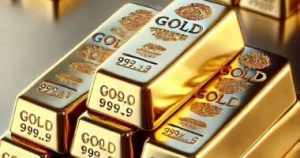



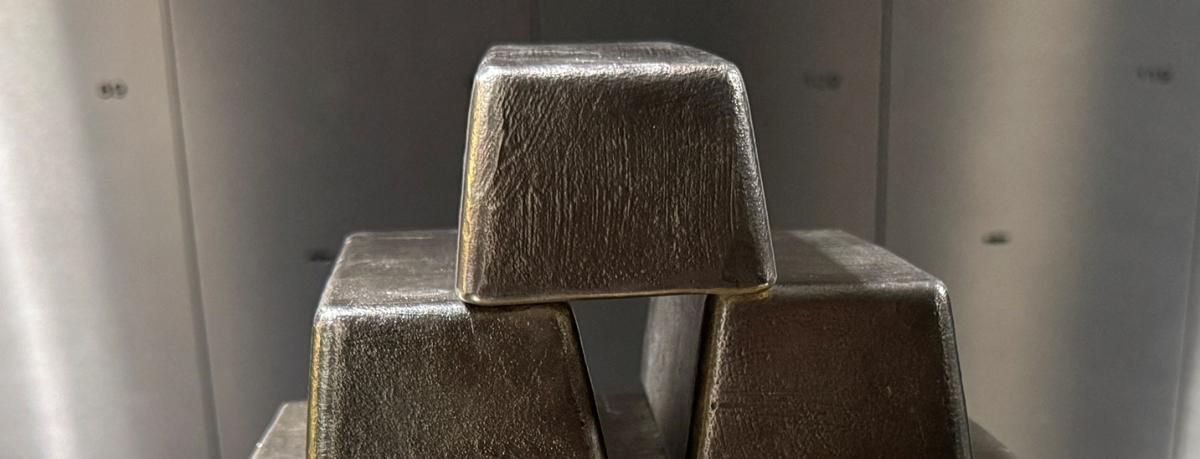

Silver prices touched an all-time high, surpassing $52.50 per ounce, fueled by a historic London crisis that intensified the rally driven by increased demand for safe-haven assets.
Spot prices rose 0.4% to reach $52.5868 per ounce in London, exceeding a peak recorded in January 1980 on a now-canceled contract overseen by the Chicago Board of Trade—when billionaire Hunt brothers attempted to corner the market.
Concerns over liquidity shortages in London triggered a global rush for silver, pushing its premium prices to unprecedented levels above New York prices.
To capitalize on rising London prices, some traders scrambled to book shipping space on transatlantic flights for silver bars—a costly transport method usually reserved for gold.
The premium was about $1.55 per ounce in early Tuesday trading, down from a $3 spread last week.
Silver lease rates—the annual cost of borrowing the metal in the London market—have remained consistently high this year but surged to over 30% month-on-month on Friday. This creates hefty costs for those looking to extend short positions.
Rising demand from India in recent weeks has reduced the supply of bars available for trading in London, following a rush to ship metal to New York earlier this year amid fears of potential impact from U.S. tariffs, causing significant disruptions between trading hubs.
While precious metals were officially exempted from tariffs in April, traders remain tense ahead of the conclusion of the U.S. administration’s Section 232 investigation into base metals—including silver, platinum, and palladium. The probe has renewed fears of new tariffs, exacerbating the market crisis.
Goldman Sachs analysts wrote in a note that the silver market is “less liquid and about nine times smaller than the gold market, which amplifies price moves.” They added, “Without central bank efforts to stabilize silver prices, even a temporary retreat in investment flows could lead to a disproportionate correction, as it would also ease the London crisis behind most of the recent surge.”
The four main precious metals have risen between 56% and 81% this year, dominating commodity markets. Gold’s advance has been supported by central bank purchases, increased holdings in exchange-traded funds, and Federal Reserve interest rate cuts. Repeated trade tensions between the U.S. and China, threats to the Fed’s independence, and U.S. government shutdowns have also boosted demand for safe havens.
On Monday, Bank of America analysts raised their silver price target for the end of 2026 from about $44 to $65 per ounce, citing ongoing market deficits, widening financial gaps, and lower interest rates.
Investors were also assessing the Federal Reserve’s monetary easing path ahead of its upcoming interest rate decision later this month. Anna Polson, president of the Philadelphia Fed, indicated on Monday her preference for two additional quarter-point rate cuts this year, noting monetary policy should consider tariff impacts on rising consumer prices. Consequently, the non-yielding precious metal stands to benefit from lower borrowing costs.
Silver jumped 3.3% to record highs following gold on Monday, reaching $52, while gold surpassed the $4,100 mark for the first time.
Technically, the relative strength index for gold hit 80 and for silver 83, indicating both metals experienced overbought conditions.



Recommended for you
Al-Jaghbeer: The Industrial Sector Leads Economic Growth
Alternative to UNIFIL Forces
Talib Al-Rifai Chronicles Kuwaiti Art Heritage in "Doukhi.. Tasaseem Al-Saba"
Egypt Post: We Have Over 10 Million Customers in Savings Accounts and Offer Daily, Monthly, and Annual Returns
Exhibition City Completes About 80% of Preparations for the Damascus International Fair Launch
Trump Advisor: Disarming Hamas is Central.. Palestinian Authority to Take Over Gaza After Required Reforms