









As the curse of coronavirus viruses continues with the discovery of new mutated strains of COVID-19, a prominent British expert has raised concerns among millions of smokers worldwide about the increased risk of developing “long COVID.” Last week, experts urged people to wear masks and isolate if infected, amid the spread of the new “Nimbus” and “Stratus” strains in the United Kingdom.
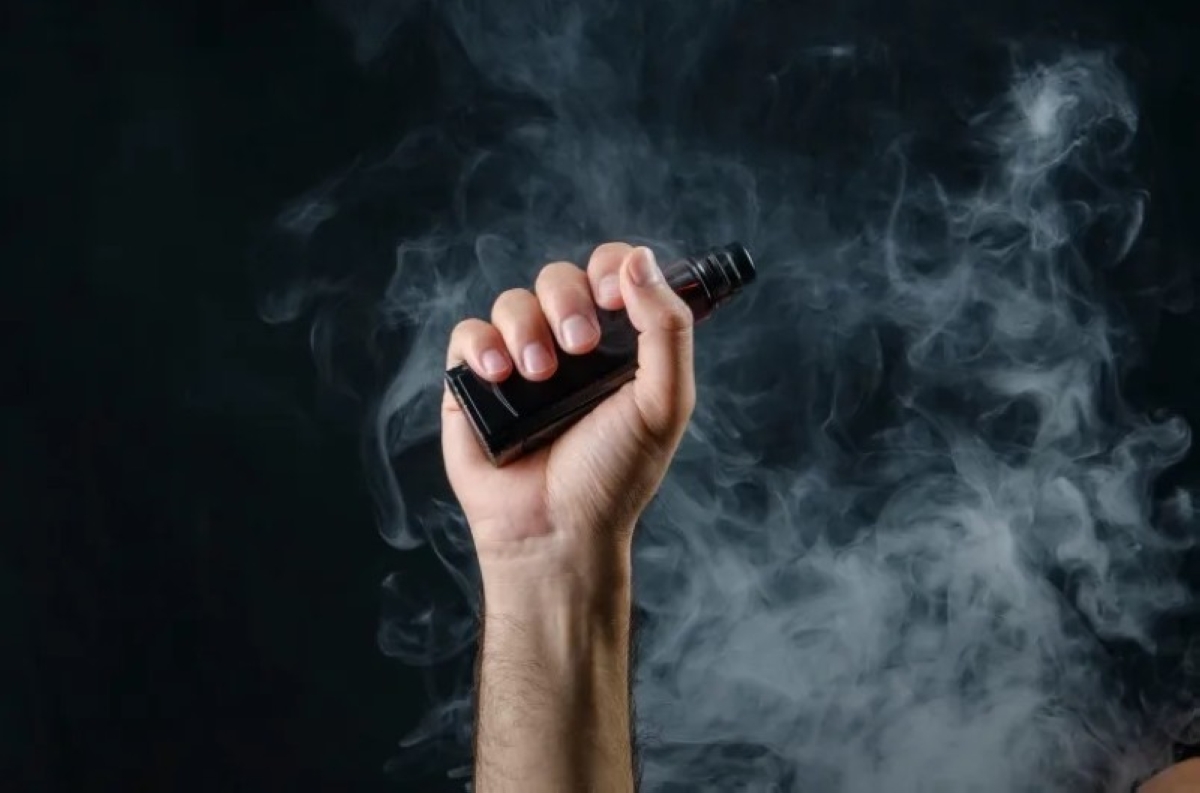
Professor Keith Rushforth, a biology expert at Dublin City University, told The Conversation that the worrying issue is that people who use vaping devices while sick or recovering from the virus may expose their health to significant long-term risks.
The expert explained that the tissue that allows oxygen to pass from air to blood is notably fragile, and habits like electronic smoking can severely weaken it when protection is most needed. He added, “Vaping irritates the lining of blood vessels, while COVID floods the lungs with particles causing inflammation. At that point, the capillaries become leaky, fluid seeps into the alveoli, and oxygen struggles to cross the barrier between blood and air.”
Smoking Impedes Recovery
The expert clarified that electronic smoking can hinder recovery after COVID infection, as healing the thin surface where gas exchange occurs requires all possible support for the lungs. He noted, “Vaping adds pressure to tissues already damaged by the virus, even if the vaper feels no immediate symptoms. The result may be persistent shortness of breath, chronic fatigue, and delayed return to pre-illness activity levels.”
He pointed out that the reason is the pressure vaping exerts on a very thin layer of the lungs, medically known as the blood-air barrier, which is essential for lung function. This layer must remain strong and flexible for healthy breathing but is constantly stressed by air pollution, fine particles, and infections.
Rushforth said, “This layer remains intact under normal pressure but may tear under excessive stress. Vaping weakens this tissue before illness, making overcoming infections like COVID more difficult.” He warned, “Studies indicate that vaping can disrupt these defenses, causing endothelial dysfunction even in healthy young people.”
Study Supports the Expert’s Theory
A 2018 study found that people who never smoked but used e-cigarettes had elevated levels of endothelial microparticles (EMPs), which may indicate endothelial dysfunction.
Professor Rushforth links these changes to increased inflammation markers and blood pressure after vaping exposure, stating, “These combined findings suggest the endothelium struggles to maintain its protective role.”
Other laboratory studies showed that e-cigarette vapor, even without nicotine, can affect these cells, making it harder to fight respiratory infections.
In light of this, Professor Rushforth said, “Science is still evolving, but the message is clear: vaping harms vascular health.”
He added, “Quitting—even temporarily—gives lungs and blood vessels a cleaner environment needed to heal and makes every breath easier.”




Recommended for you
Al-Jaghbeer: The Industrial Sector Leads Economic Growth
Egypt Post: We Have Over 10 Million Customers in Savings Accounts and Offer Daily, Monthly, and Annual Returns
Alternative to UNIFIL Forces
Talib Al-Rifai Chronicles Kuwaiti Art Heritage in "Doukhi.. Tasaseem Al-Saba"
Exhibition City Completes About 80% of Preparations for the Damascus International Fair Launch
Trump Advisor: Disarming Hamas is Central.. Palestinian Authority to Take Over Gaza After Required Reforms