


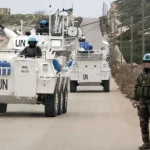





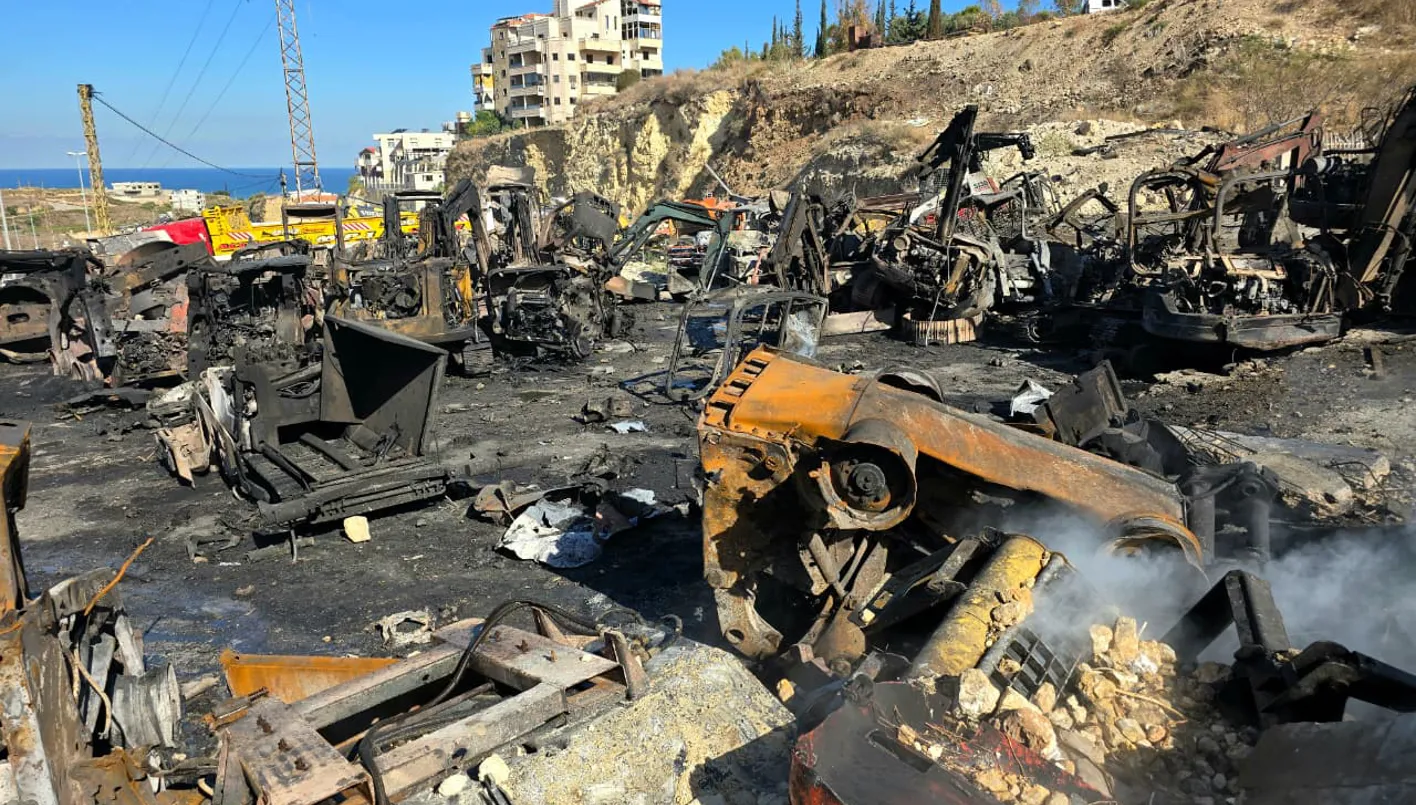
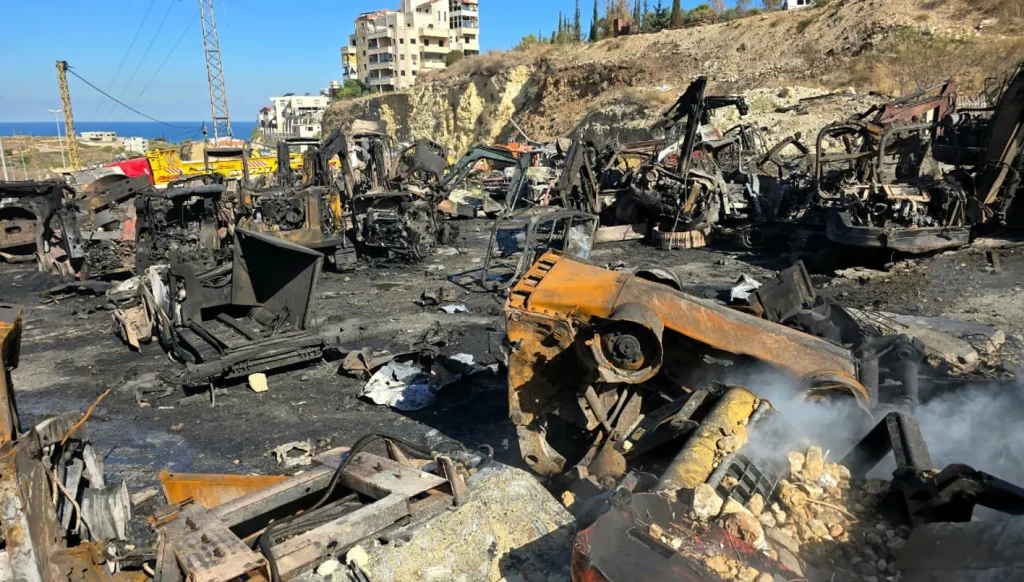
The Israeli airstrikes on Al-Musaylih and the violation of Lebanese airspace are part of Israel’s messages that Lebanon will remain under fire unless Hezbollah is disarmed. However, the strikes targeting civilian infrastructure and vehicles south of the Litani River aim to prevent reconstruction. This is also linked to the US stance, which offers no guarantees to Lebanon to pressure Israel. Lebanese communications with Washington and its envoys reveal that there will be no halt to Israeli violations without direct negotiations, preceded by the Lebanese army’s progress in weapon inventory by year-end.
The continuation of Israeli airstrikes alongside the Gaza agreement signals turning Lebanon into an operational theater to impose conditions related to Israeli security, due to the imbalance of power and the ongoing weakening of the state. Israel wants direct negotiations, a US demand conveyed to Lebanon through US envoy Morgan Ortagus and reiterated by Tom Barrack, which will be renewed by the new US ambassador to Lebanon, Michael Aoun. Diplomatic sources say Lebanon has also received messages via American and international channels stressing the need to complete the disarmament file under state control, then negotiate with Israel on withdrawal and security arrangements. The occupation, with US consent, prevents reconstruction, as no funds are allocated for reconstruction under international supervision until ceasefire agreements, especially regarding weapon withdrawal, are finalized.
Attention focuses on Lebanon in the coming phase. If matters proceed according to Trump’s plan, the entire region will be under US monitoring, pressing for negotiations to reach agreements under the banner of “peace” as Israel desires. Lebanon is on the US agenda, but its file fits within ending the conflict with Israel, which for Americans only happens through direct negotiations. Accordingly, Washington refrains from providing Lebanon guarantees to stop violations, without encouraging Israeli war; it requests Lebanon to initiate negotiations with high-level political representation, not just military committees, to reach understandings with Israel.
Consequently, the upcoming phase may witness a race between Israeli military escalation resembling a war against Hezbollah and Washington’s efforts to pressure Lebanon to complete the disarmament plan and negotiate. While Israel claims Hezbollah is rebuilding its military capabilities, it expands its occupation in the border area, increasing pressure on the state and refusing to withdraw from points it considers part of the buffer zone before any negotiations, including points it controls between Lebanon and Syria, especially the Mount Hermon observation post overseeing the Lebanese Bekaa and Damascus. According to diplomatic sources, Israel seeks to impose a fait accompli; the longer the occupation lasts, the more possible it becomes to reach security arrangements in the occupied area.
While Israel pressures Lebanon, Hezbollah continues to blame the state without advancing steps to help it extend control. Disarming under state authority is part of strengthening its power and options against Israel. Continuing accusations against the state is evading commitments, as the government is not responsible for preventing reconstruction or achieving withdrawal without being capable, in control, and with decision-making authority. National responsibility in facing occupation does not lie in undermining the state, increasing its weakness, and providing excuses amid the dangers of Lebanon remaining a theater for Israeli war.

Recommended for you
Al-Jaghbeer: The Industrial Sector Leads Economic Growth
Alternative to UNIFIL Forces
Egypt Post: We Have Over 10 Million Customers in Savings Accounts and Offer Daily, Monthly, and Annual Returns
Talib Al-Rifai Chronicles Kuwaiti Art Heritage in "Doukhi.. Tasaseem Al-Saba"
Exhibition City Completes About 80% of Preparations for the Damascus International Fair Launch
Trump Advisor: Disarming Hamas is Central.. Palestinian Authority to Take Over Gaza After Required Reforms