








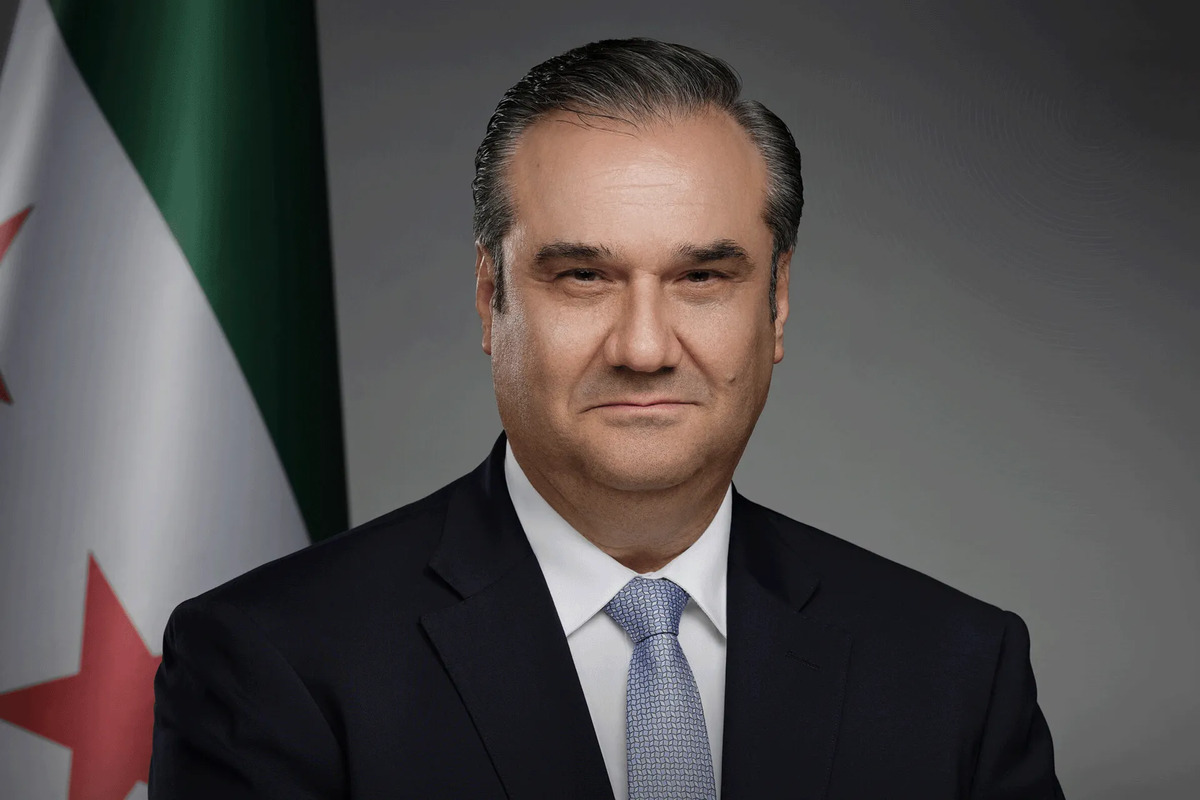
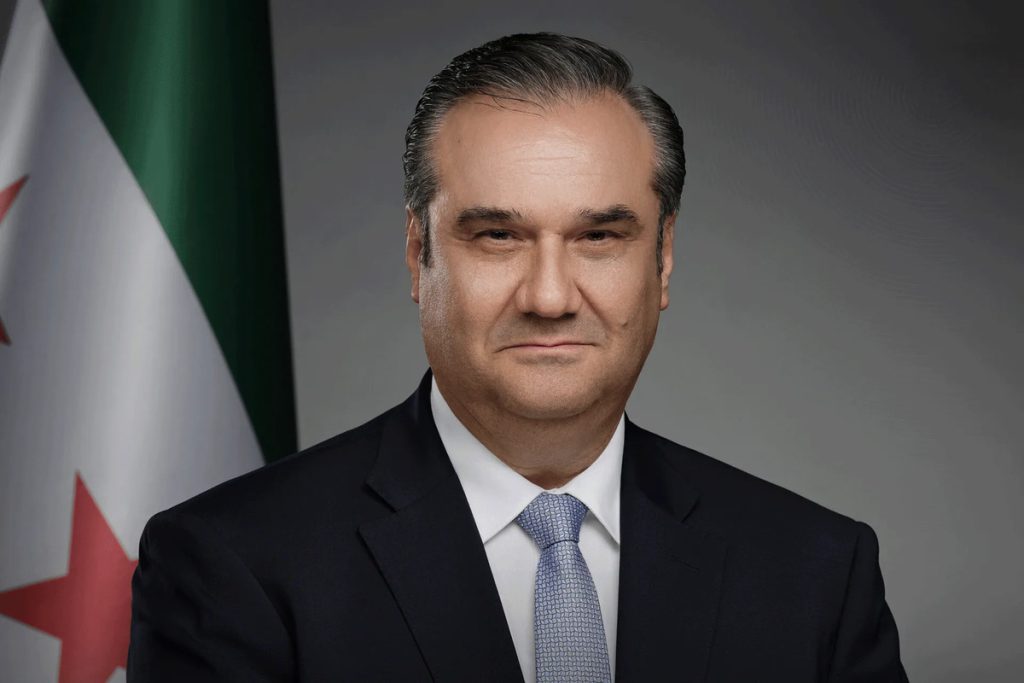
The Governor of Syria’s Central Bank, Abdul Qader Al-Hassriya, stated that the upcoming change in the Syrian pound will not be merely cosmetic but part of a broader monetary policy reform within a comprehensive economic reform plan. He emphasized that the upcoming process will involve currency replacement rather than simply issuing new banknotes alongside old ones.
In an interview with the Syrian News Channel aired on Saturday, Al-Hassriya explained that the new currency will provide the state with a monetary policy tool to replace a stockpile of Syrian currency totaling between 38 to 39 billion coins accumulated over 70 years, which have suffered various problems. He noted that removing zeros will simplify transactions and greatly ease market dealings.
He compared Syria’s upcoming zero-removal with similar experiences in Iran and Venezuela, highlighting that Syria has new policies implemented by new authorities, unlike the unchanged policies and authorities in those countries.
The new currency will remove two zeros from the old currency, meaning 10,000 old pounds will be worth 100 new pounds, and 100 old pounds will equal one new pound, according to Al-Hassriya.
The new issuance will include six denominations with a simplified and clear design, avoiding complex symbols, reflecting a “modern monetary identity expressing national sovereignty.”
He revealed that the Central Bank plans to gradually lift restrictions on bank withdrawals, allowing citizens greater freedom to manage their money without harming financial stability.
Al-Hassriya stressed that the ongoing monetary reform is not an isolated step but part of a comprehensive economic plan aimed at market regulation and price stability despite external challenges and difficulties facing the country. He affirmed that the Syrian pound is “not just a banknote but a symbol of production and national sovereignty.”
The stages of issuing the new currency will be: issuing the new currency, coexistence of old and new currencies, and finally, complete replacement of the old currency exclusively through the Central Bank, a phase expected to last years.
During the coexistence phase, the state will take necessary measures to stabilize all transactions, such as requiring shops to display prices in both currencies.
Success indicators for the Central Bank will include measuring inflation rates and increases in bank deposits. He explained that discipline in the banking and financial sector is essential for the success of the upcoming banking step through the financial cycle that collects funds from the private sector to banks, which in turn finance the business sector—something that was not practiced under the previous regime, which funneled money to Lebanon and the government to finance budget deficits.
He confirmed that the Central Bank adopted the latest technologies in designing the new currency to prevent counterfeiting and will establish a specialized laboratory to detect counterfeit currency in cooperation with the Ministry of Interior.
Al-Hassriya added that upon assuming his position as governor, he devised a plan starting with monetary stability after large inflation spikes that devalued Syrians’ money.
He explained that the bank stopped deficit financing (borrowing) since April to achieve financial discipline and stability, noting that the previous regime financed the war from “people’s pockets” by printing more uncovered currency and through debts.
Regarding Syria’s economic recovery plan, Al-Hassriya said it includes the Central Bank and government and encourages investment leading to project establishment and foreign currency inflows that improve the balance of payments and increase demand for the Syrian pound, alongside establishing institutions supporting the Syrian economy such as a deposit insurance corporation.
He pointed out that the recovery plan comes amid a favorable political climate, citing Syria’s foreign policy as “pragmatic,” dealing with challenges “with intelligence and wisdom.”
He concluded that monetary and financial policy measures have increased Syrians’ confidence, reflected in improved exchange rates, currency stability, and increased deposits.


Recommended for you
Al-Jaghbeer: The Industrial Sector Leads Economic Growth
Alternative to UNIFIL Forces
Egypt Post: We Have Over 10 Million Customers in Savings Accounts and Offer Daily, Monthly, and Annual Returns
Talib Al-Rifai Chronicles Kuwaiti Art Heritage in "Doukhi.. Tasaseem Al-Saba"
Exhibition City Completes About 80% of Preparations for the Damascus International Fair Launch
Trump Advisor: Disarming Hamas is Central.. Palestinian Authority to Take Over Gaza After Required Reforms