









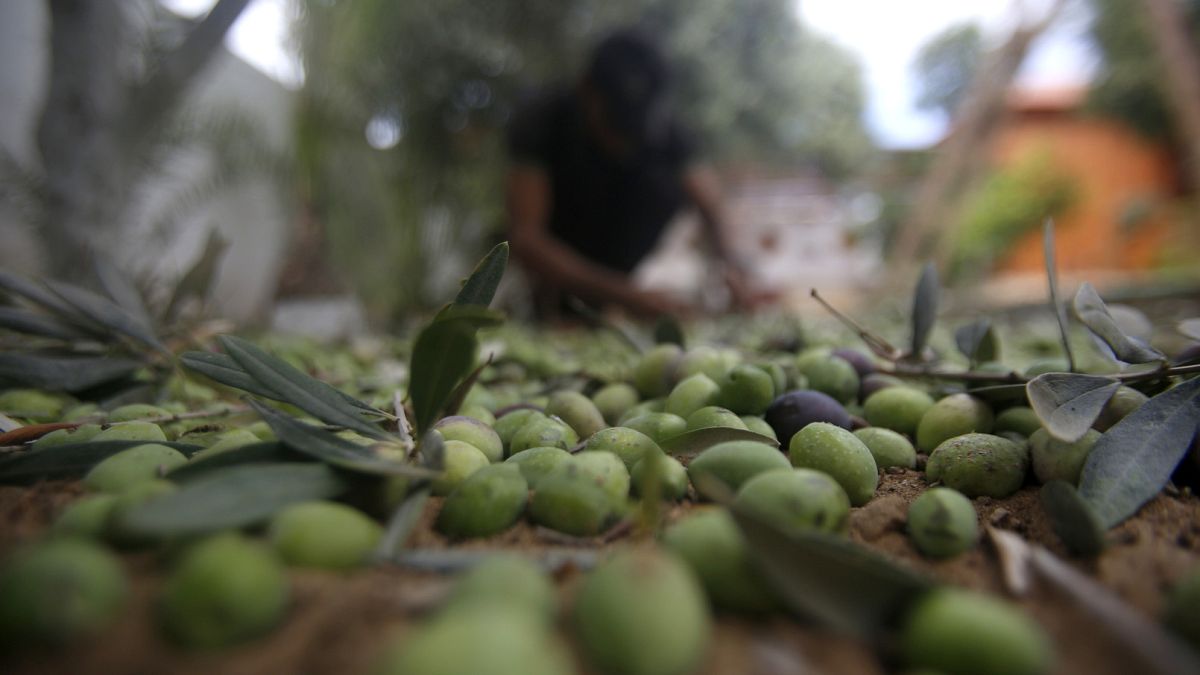
A new medical study revealed that oleic acid — a monounsaturated fatty acid found in olive oil, nuts, and avocados — can significantly enhance the immune system’s ability to fight cancerous tumors, while another type of saturated fatty acid may weaken this ability.
According to New Atlas, researchers from the Faculty of Medicine at the University of Hong Kong found that oleic acid supports specialized immune cells known as T γδ (gamma delta T) cells, a group that acts as a “rapid response force” against infections and tumor growth.
Laboratory Results Reveal Critical Differences
The researchers isolated human T γδ cells and cultured them in the lab, then exposed one group to oleic acid (OA) and another to palmitic acid (PA), a saturated fatty acid found in palm oil, meat, and dairy products.
Results showed that cells exposed to oleic acid maintained metabolic stability, stable mitochondria, balanced intracellular signaling, and effective tumor-killing mechanisms. In contrast, cells exposed to palmitic acid suffered metabolic failure and self-inflammatory death, creating a more hostile immune environment.
Implications for Immunotherapy
Professor To Winoy, from the Department of Pediatrics and Adolescent Medicine at the University of Hong Kong and the study’s lead author, said: “Our findings suggest that dietary fatty acid supplements, especially foods rich in oleic acid such as olive oil and avocados, can enhance the surveillance of T γδ immune cells, opening the door to more effective cancer treatments.”
He added, “Palmitic acid does the exact opposite, weakening these cells and impairing their ability to resist tumors,” noting that patients might benefit from dietary adjustments to support immunotherapy effectiveness.
Next Steps
Although the results were obtained from laboratory cell experiments and animal models, they reinforce growing evidence in the field of “immunometabolism,” which studies the impact of nutrients on immune system behavior. According to the researchers, unsaturated fatty acids like oleic acid support cleaner energy production and longer cell survival, unlike saturated fatty acids like palmitic acid that promote inflammation and oxidative stress.
The researchers caution that these findings do not recommend consuming large amounts of olive oil or supplements but highlight the role of targeted nutrition as part of future cancer treatment strategies.




Recommended for you
Al-Jaghbeer: The Industrial Sector Leads Economic Growth
Alternative to UNIFIL Forces
Egypt Post: We Have Over 10 Million Customers in Savings Accounts and Offer Daily, Monthly, and Annual Returns
Talib Al-Rifai Chronicles Kuwaiti Art Heritage in "Doukhi.. Tasaseem Al-Saba"
Exhibition City Completes About 80% of Preparations for the Damascus International Fair Launch
Trump Advisor: Disarming Hamas is Central.. Palestinian Authority to Take Over Gaza After Required Reforms