










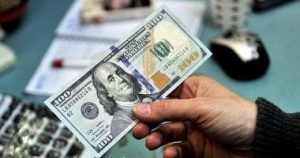
Dr. Mohamed Fouad, economic expert and member of the Macroeconomic Advisory Committee to the Egyptian Cabinet, responded to the key question troubling citizens: “Why haven’t prices fallen despite the dollar’s decline?” which dropped to 47.5 EGP after exceeding 50 EGP.
In statements on the program “Al-Hekaya” aired on “MBC Egypt,” he attributed the lack of price decreases to the phenomenon of “price stickiness to decreases,” meaning prices rise quickly with any cost increase but do not fall as easily or quickly when costs or exchange rates decline.
He explained that the market “passes on increases quickly but acts a bit slow in passing on reductions,” to which media personality Amr Adib jokingly commented, “It acts very slow in going down.”
He pointed out that the reasons behind this stickiness include traders’ and manufacturers’ desire to maintain profit margins achieved during the price rise period, as well as a lack of confidence in the stability of the decrease.
He noted that traders refrain from pricing their goods based on the instantaneous dollar rate but rather on average cost, meaning “a trader sells at the replacement price (the new higher price) when prices rise, but when prices fall, they sell at the stock price (the price they bought at).”
He emphasized that the market needs a period of “months,” like a full inventory cycle “about three months,” to start feeling stability and confidence in the new exchange rate, after which traders needing liquidity will be forced to reduce prices.
Meanwhile, media personality Amr Adib explained that price decreases have only appeared slightly in “poultry and eggs” but not in real estate, healthcare, education, school supplies, or electricity.
Fouad also noted that the electricity and gasoline sectors are expected to see price increases rather than decreases, attributing the rise to Egypt’s declining local production of oil and gas, making it more affected by global prices, pointing out that “oil or crude production is at its lowest in the last 30 years,” according to him.


Recommended for you
Al-Jaghbeer: The Industrial Sector Leads Economic Growth
Egypt Post: We Have Over 10 Million Customers in Savings Accounts and Offer Daily, Monthly, and Annual Returns
Alternative to UNIFIL Forces
Talib Al-Rifai Chronicles Kuwaiti Art Heritage in "Doukhi.. Tasaseem Al-Saba"
Exhibition City Completes About 80% of Preparations for the Damascus International Fair Launch
Trump Advisor: Disarming Hamas is Central.. Palestinian Authority to Take Over Gaza After Required Reforms