







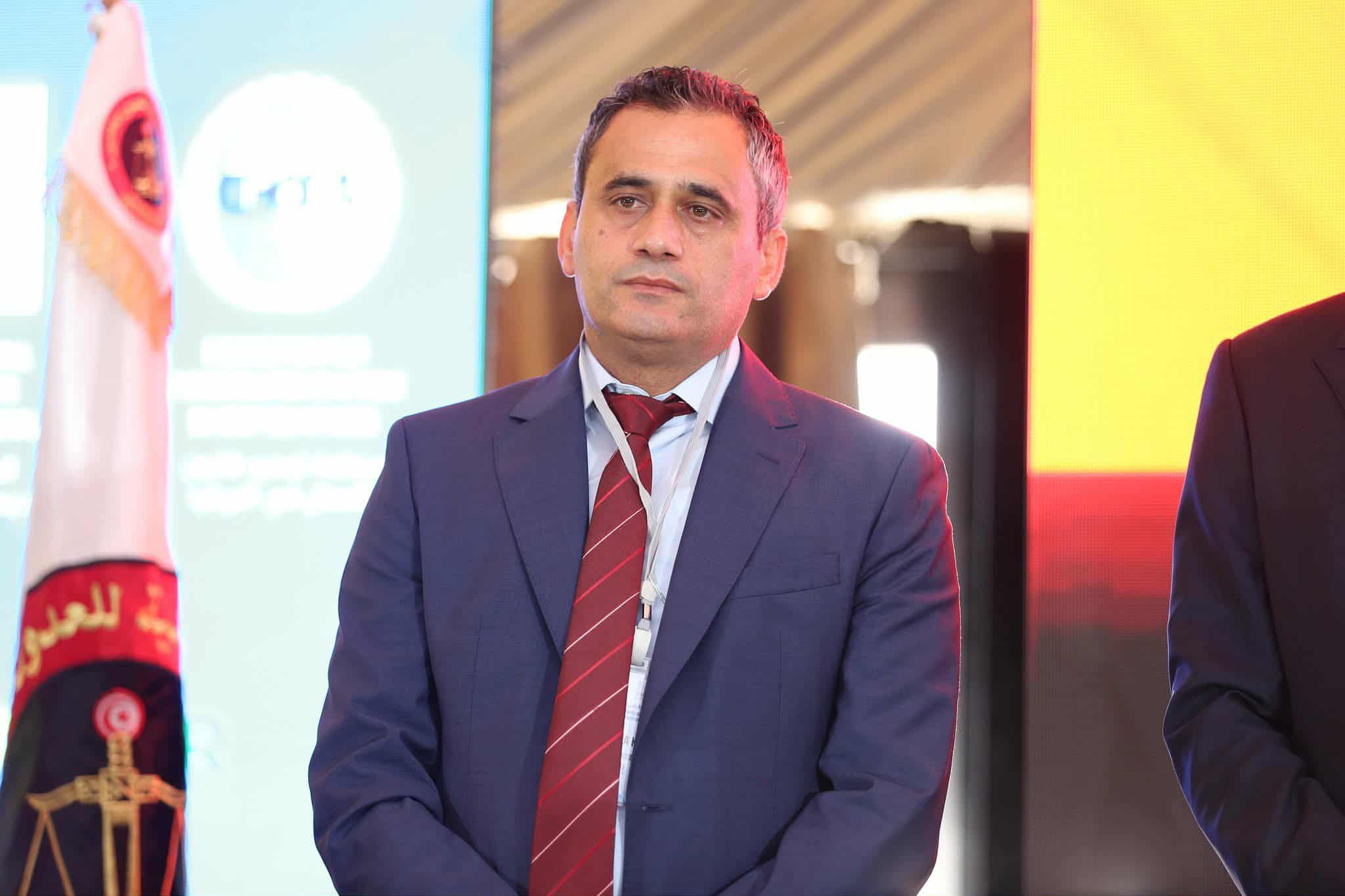
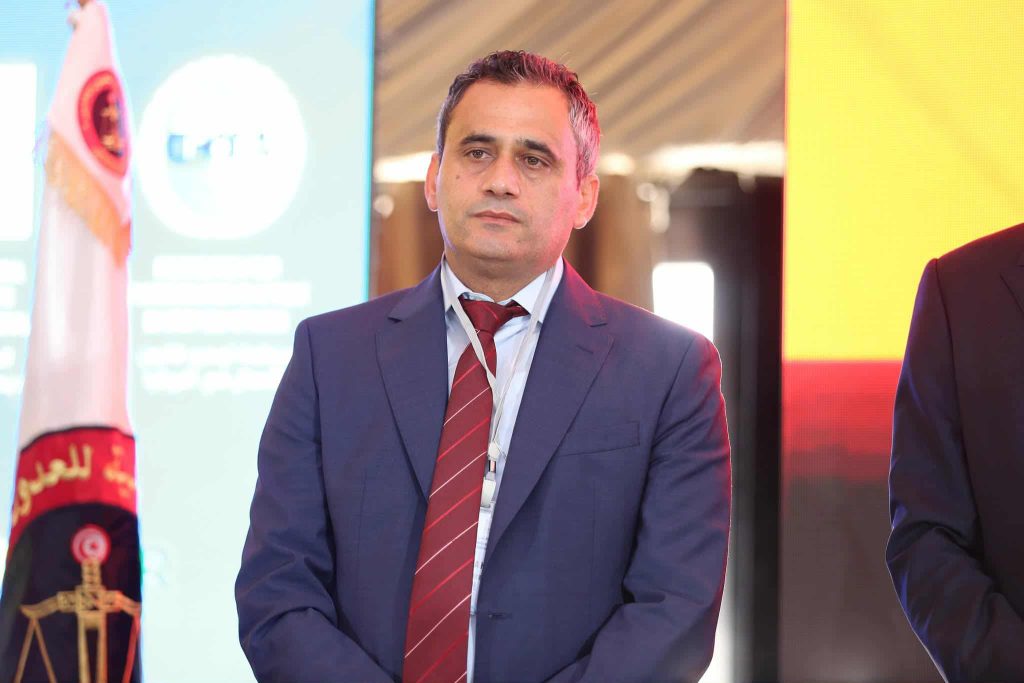
Professor Karim Ben Arabia, Dean of the National Authority of Bailiffs, told ‘Assabah News’ that the bailiff profession faces numerous daily difficulties and pressures, emphasizing the independence of the profession and bailiffs.
He pointed out many legal, administrative, and practical obstacles hindering the enforcement of judgments, including the failure of public administrations and institutions to provide necessary assistance to bailiffs, lack of adequate legal protection, and the prevalence of vexatious complaints aimed at disrupting their duties.
He stressed the need to raise the level of bailiffs’ training, insisting that the original training period should not be less than two years at the Higher Institute of Judiciary, with continuous training to keep pace with economic and social challenges.
He explained that globally, the bailiff profession has evolved significantly due to improved initial training and expanded competencies, while in Tunisia, bailiffs’ powers have declined, especially after the issuance of the checks law. He noted that the last amendment to enforcement methods and the civil and commercial procedures code was in August 2002, calling for updates and expansion of bailiffs’ competencies.
He affirmed that bailiffs perform their duties independently and neutrally, committed to professional ethics and legal responsibility, and that the National Authority defends their moral and material interests without discrimination.
Regarding complaints, he said their number is very high and bailiffs suffer from unfair treatment in handling these complaints, calling for their protection as public officers executing duties on behalf of the people and by order of the President of the Republic.
He also mentioned that assaults on bailiffs affect both men and women, physically and morally, and that this is a longstanding issue.


Recommended for you
Al-Jaghbeer: The Industrial Sector Leads Economic Growth
Egypt Post: We Have Over 10 Million Customers in Savings Accounts and Offer Daily, Monthly, and Annual Returns
Alternative to UNIFIL Forces
Talib Al-Rifai Chronicles Kuwaiti Art Heritage in "Doukhi.. Tasaseem Al-Saba"
Exhibition City Completes About 80% of Preparations for the Damascus International Fair Launch
Trump Advisor: Disarming Hamas is Central.. Palestinian Authority to Take Over Gaza After Required Reforms