









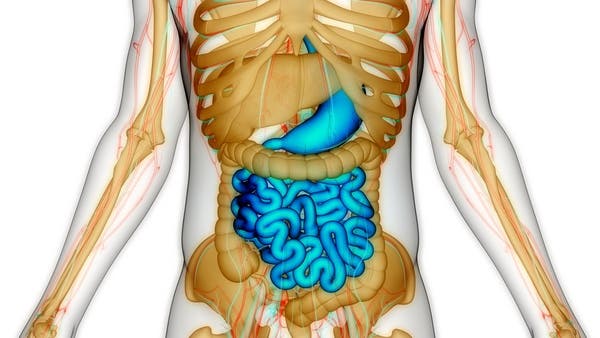
Every time you eat a meal, you are actually hosting a huge “dinner party,” with guests being trillions of microorganisms living in your intestines.
These organisms, known as the “gut microbiome,” play a pivotal role in your overall health. They can boost immunity and regulate metabolism, or conversely, trigger inflammation and increase the risk of chronic diseases—all depending on the food you provide them.
“Feed them well… so they take care of you”
Dr. Karen Corbin, a researcher at the AdventHealth Institute for Metabolic and Diabetes Translational Research in Orlando, said gut microbes “actually feel hungry when deprived of proper food. If you take care of your gut microbes, they will take care of you. But when starved, they begin to consume the protective mucus layer inside the intestines and produce harmful compounds,” according to a report published by The Washington Post.
Corbin emphasized foods rich in fiber, especially resistant starch, a type of fiber that is not digested in the small intestine but reaches the colon to serve as a main meal for those beneficial microbes. Key sources include beans, lentils, peas, green bananas, apples, pears, oats, brown rice, and barley.
How to “make your microbes happy”?
According to the researcher, fiber is the fuel for these microorganisms. When they feed on it, they produce short-chain fatty acids like butyrate, which reduce inflammation and stimulate the secretion of the hormone GLP-1, mimicked by popular weight-loss drugs such as Ozempic and Wegovy. This process helps regulate blood sugar levels, promotes satiety, and improves digestive health.
Conversely, ultra-processed foods like white bread, sweets, potato chips, and snacks are enemies of the microbiome; they lack fiber and are digested quickly, causing sharp spikes in blood sugar and leaving microbes “hungry” without food.
Unequal calories
Corbin warned that chronic fiber deprivation causes microbes to consume the protective lining of the intestinal wall, leading to chronic inflammation and increased risks of obesity, diabetes, and heart diseases.
In a 2023 study, two diets were compared: the “Western diet,” rich in processed and manufactured foods, and the “microbiome-enhancing diet,” based on fresh fruits, vegetables, nuts, whole grains, and unprocessed meats. The result was decisive: those who followed the fiber-rich diet absorbed fewer calories, lost more weight, felt full longer, and showed a clear improvement in the diversity of beneficial microbes in their intestines.
Meal upgrades
Corbin also explained simple “nutritional upgrades,” such as replacing white bread with whole grain bread, eating pasta made from legumes like chickpeas, adding vegetables to ready-made sauces, or swapping potato chips for nuts or dried vegetable chips.
She concluded: “One day of bad food won’t ruin your health, but what you do most days determines the fate of your gut.”




Recommended for you
Al-Jaghbeer: The Industrial Sector Leads Economic Growth
Alternative to UNIFIL Forces
Egypt Post: We Have Over 10 Million Customers in Savings Accounts and Offer Daily, Monthly, and Annual Returns
Talib Al-Rifai Chronicles Kuwaiti Art Heritage in "Doukhi.. Tasaseem Al-Saba"
Exhibition City Completes About 80% of Preparations for the Damascus International Fair Launch
Trump Advisor: Disarming Hamas is Central.. Palestinian Authority to Take Over Gaza After Required Reforms