





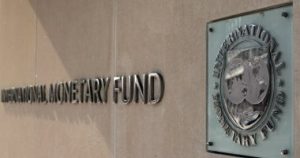




New York, October 10, 2025 (WAL) – Kuwait has called for a comprehensive reform of the international financial system to make it fairer and more transparent, emphasizing the need to accelerate the implementation of commitments related to reallocating Special Drawing Rights to support developing and least developed countries.
This was stated in a speech delivered by Kuwaiti diplomatic attaché Rashid Farhan before the Second Committee of the United Nations General Assembly, which deals with economic and financial matters.
Farhan explained that the global economy is going through a delicate phase characterized by slowing growth, rising debt burdens, and declining external financing, threatening the achievement of sustainable development goals. He pointed out that the external debt of developing countries has reached about $11.7 trillion, limiting their ability to invest in human development and infrastructure.
He affirmed that sustaining global economic growth requires diversifying national economies and strengthening the productive base through investment in technology, renewable energy, and sustainable agriculture. He noted that Kuwait is advancing its national vision “New Kuwait 2035,” aimed at enhancing its position as a regional economic and commercial hub.
Farhan highlighted the pivotal role played by the Kuwait Fund for Arab Economic Development, which has supported development projects in more than 100 countries since its establishment in 1961, alongside the role of the Public Institution for Investment, one of the oldest sovereign wealth funds in the world, in supporting financial stability and promoting global development.
He also expressed his country’s welcome of the “Seville Commitments” document, which laid out a roadmap for reforming the international financial system and amplifying the voice of debt-burdened countries, while stressing the necessity of supporting the Palestinian economy amid the deteriorating humanitarian and economic conditions in the Gaza Strip.
In conclusion, Farhan emphasized that financing development is a collective responsibility that requires a fairer global financial system ensuring no country is left behind in the sustainable development journey.



Recommended for you
Al-Jaghbeer: The Industrial Sector Leads Economic Growth
Alternative to UNIFIL Forces
Egypt Post: We Have Over 10 Million Customers in Savings Accounts and Offer Daily, Monthly, and Annual Returns
Talib Al-Rifai Chronicles Kuwaiti Art Heritage in "Doukhi.. Tasaseem Al-Saba"
Exhibition City Completes About 80% of Preparations for the Damascus International Fair Launch
Trump Advisor: Disarming Hamas is Central.. Palestinian Authority to Take Over Gaza After Required Reforms