







For decades, Lebanon’s railway stations symbolized a golden era of openness, movement, and connectivity between cities on one hand, and between Lebanon, the Arab world, and Europe on the other. The story began in the summer of 1895 with the inauguration of the first railway line linking Beirut to Damascus via the Bekaa Valley, before the network later extended to Tripoli and Sidon. These stations were not just centers for passenger and freight transport but vibrant arteries of economic and social life, contributing to trade activation, cultural exchange, and connecting Lebanese regions.
However, the Lebanese civil war that engulfed the country in 1975 gradually halted operations on the lines, and the stations turned into abandoned ruins.
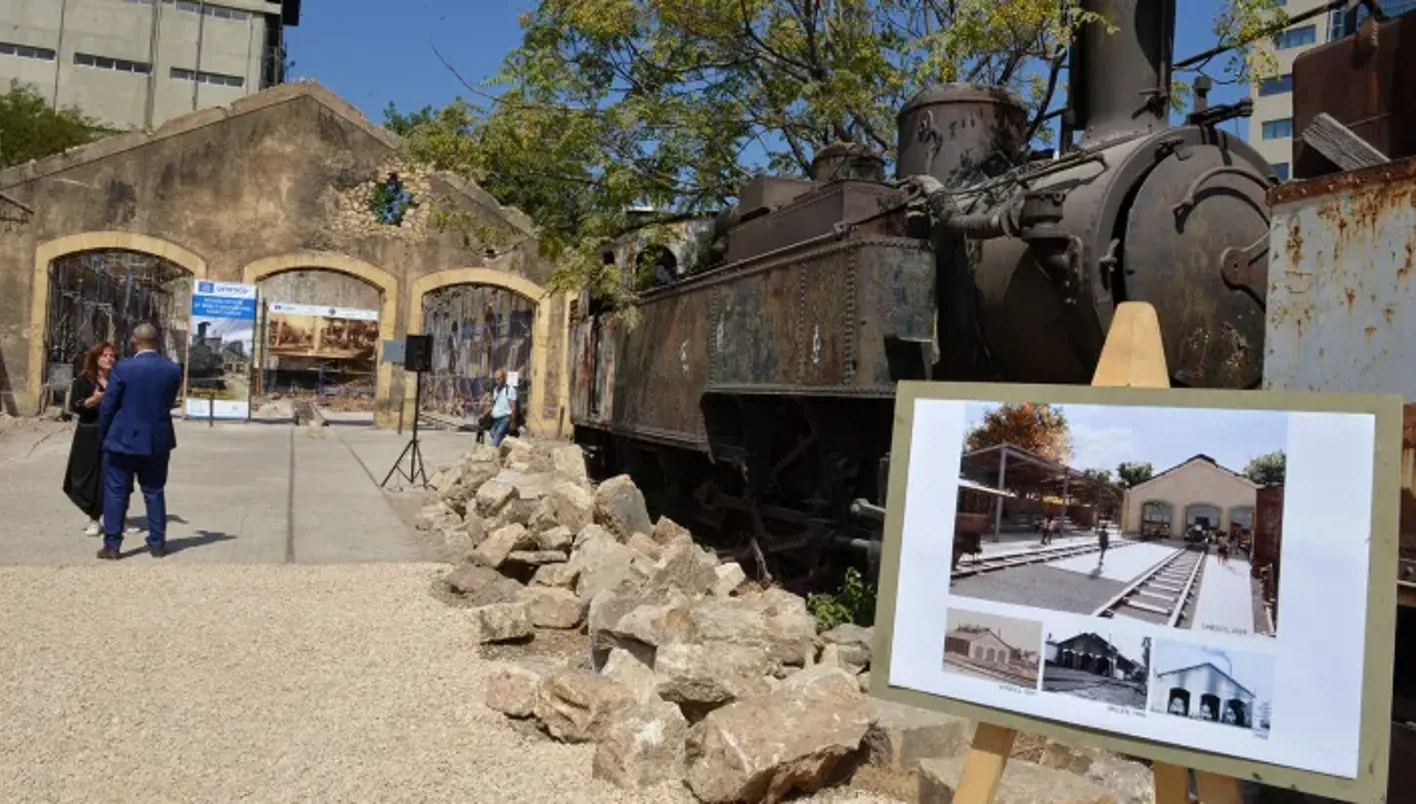
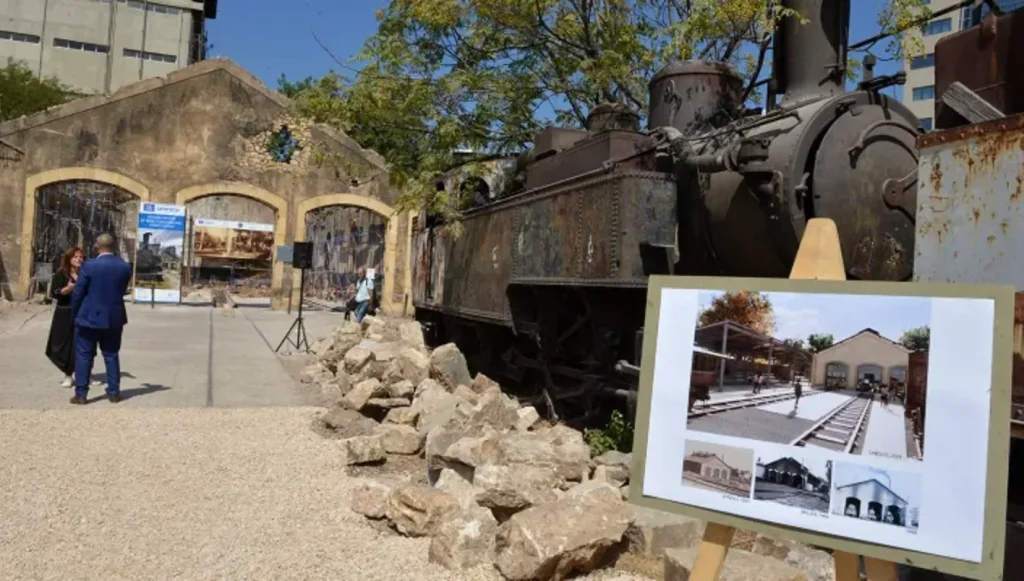
Today, the remnants of these stations—from Mar Mikhael to Riyaq, Tripoli, and Sidon—stand as witnesses to a long history that has yet to be revived. Despite frequent talk of projects to revive the railways, nothing concrete has materialized yet.
Nevertheless, discussions about these stations have never faded among Lebanese people, and recently officials have increasingly spoken about attempts to revive the sector. The Minister of Public Works last month told “An-Nahar” that studies are underway to operate a “tramway” in Beirut and its suburbs.
In an interview with “An-Nahar,” Ziad Shia, Head of the Railway and Joint Transport Authority, pointed out that “the authority owns many lands belonging to it, and today we are working to remove old encroachments on these properties and prevent any new ones to preserve public property. As for passenger stations, we are trying to restore them with help from our partners and sister countries. The goal of restoration and investment is to operate the stations in various integrated projects with the train.
For example, at Mar Mikhael station, gardens, a museum, and a café are being established without affecting the train route, which is what happens in all countries worldwide.”
Ultimately, the idea of restarting trains is not absent from the minds of those concerned, but it requires concerted efforts between the Railway and Joint Transport Authority and the Ministry of Public Works and Transport, alongside a clear government intention to prioritize this file.



Recommended for you
Al-Jaghbeer: The Industrial Sector Leads Economic Growth
Alternative to UNIFIL Forces
Egypt Post: We Have Over 10 Million Customers in Savings Accounts and Offer Daily, Monthly, and Annual Returns
Talib Al-Rifai Chronicles Kuwaiti Art Heritage in "Doukhi.. Tasaseem Al-Saba"
Exhibition City Completes About 80% of Preparations for the Damascus International Fair Launch
Trump Advisor: Disarming Hamas is Central.. Palestinian Authority to Take Over Gaza After Required Reforms