








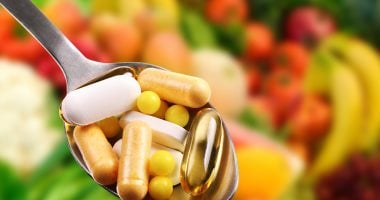
There are several common opinions suggesting the necessity for women, especially in middle age, to take dietary supplements to maintain their health. The Guardian website published views from a group of nutrition experts about the importance of supplement intake for women in this age group, whether it is necessary for all women or if there are signs indicating the need to start taking them, as well as which supplements should be started.
Claire Petit, a women’s health nutrition specialist, says there are many reasons to take supplements as we age because at this stage our bodies do not function efficiently, and some nutrients, such as vitamin B12 and calcium, are absorbed much less efficiently.
She added that hormonal changes are an important reason to take supplements because the decrease in estrogen levels affects many parts of the body, including bone health, metabolism, risk of cardiovascular disease, and muscle mass, noting that there are many nutrients that help reduce all these health risks.
She pointed out that before considering any supplements, it is advised to carefully review dietary habits, saying: “We may suffer from poor dietary patterns, especially in middle age, as we become a generation of people who do not have enough time and do not always put ourselves first,” and social ideals about body size and diet often encourage radical actions, such as skipping meals and replacing them with fiber-rich green juices or stopping dairy consumption. “Sometimes, fad diets lead to an unbalanced diet.”
Nicola Laudlam-Raine, a nutritionist, says another key consideration is consuming enough protein, about 1.6 grams per kilogram of ideal body weight daily, spaced out, explaining that if a person is very active, consuming up to two grams of protein per kilogram is good, along with resistance training two to three times a week to maintain bone health and muscle mass.
She adds that getting enough fiber is also essential because taking care of your gut supports almost all body functions, from immunity to mood, and helps beneficial gut microbes digest and produce more nutrients.
Our bodies usually tell us if we are not getting what we need, and it is about noticing changes such as fatigue, muscle weakness, or hair loss, which may all reflect micronutrient deficiencies.
Studying your lifestyle, medications, and dietary patterns can also provide clues. For example, if you are vegetarian, you may need a supplement containing vitamin B12; medications to reduce stomach acidity or for type 2 diabetes may reduce vitamin absorption. Women in menopause are advised to consume dairy products or fortified milk alternatives. Women may experience heavy bleeding during perimenopause, which can cause iron deficiency, requiring iron supplements.
The most common supplement women need is vitamin D because it is essential for bone health, immunity, muscles, and even hormones. It is recommended to take it during autumn and winter, as well as magnesium, which helps relax muscles, especially in cases of cramps, since muscle health is important for nerve stimulation, alongside aiding sleep and reducing stress.




Recommended for you
Al-Jaghbeer: The Industrial Sector Leads Economic Growth
Alternative to UNIFIL Forces
Egypt Post: We Have Over 10 Million Customers in Savings Accounts and Offer Daily, Monthly, and Annual Returns
Talib Al-Rifai Chronicles Kuwaiti Art Heritage in "Doukhi.. Tasaseem Al-Saba"
Exhibition City Completes About 80% of Preparations for the Damascus International Fair Launch
Trump Advisor: Disarming Hamas is Central.. Palestinian Authority to Take Over Gaza After Required Reforms