









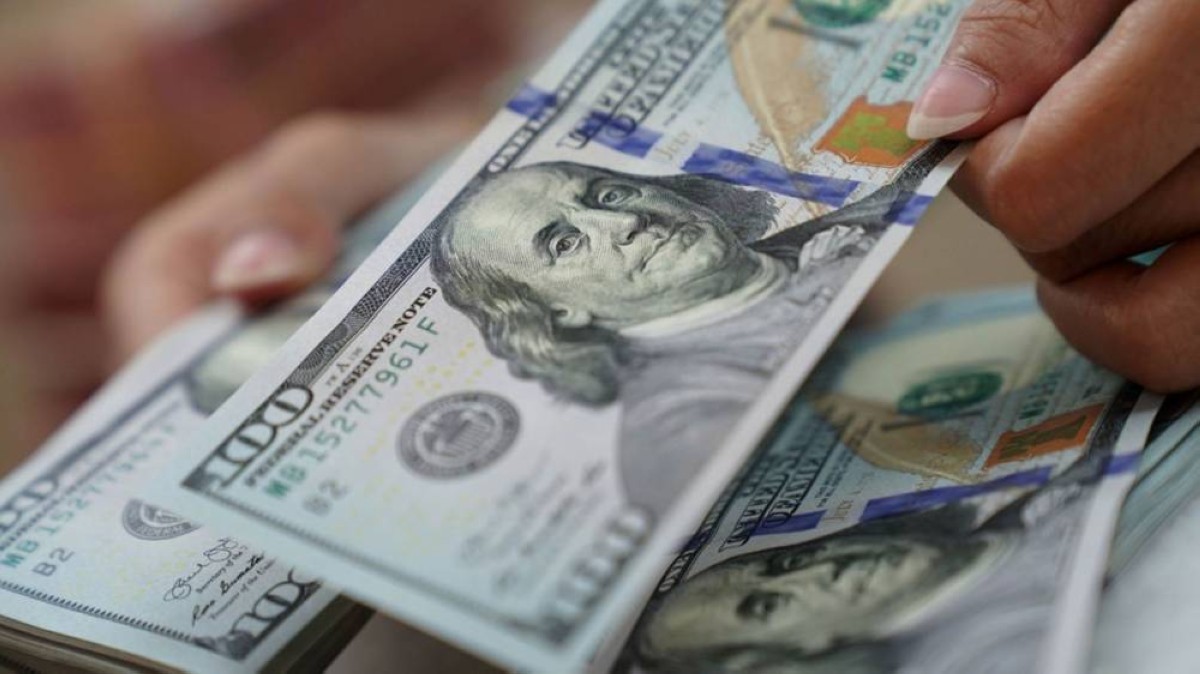
The structure of the foreign exchange market has begun to change as non-bank financial institutions take on a larger role in managing currency risks and accessing foreign financing, according to the International Monetary Fund (IMF) blog. The blog highlighted the importance of this market, one of the largest and most liquid financial markets, where about $10 trillion is traded daily.
The IMF blog stated that the central role of this market in the international monetary and financial system makes it highly sensitive to macroeconomic developments and political shifts, especially those that increase uncertainty. Typically, rising global financial or economic uncertainty leads to increased investor risk aversion and boosts demand for safe-haven assets, resulting in heightened volatility and liquidity pressures in foreign exchange markets.



Recommended for you
Al-Jaghbeer: The Industrial Sector Leads Economic Growth
Alternative to UNIFIL Forces
Egypt Post: We Have Over 10 Million Customers in Savings Accounts and Offer Daily, Monthly, and Annual Returns
Talib Al-Rifai Chronicles Kuwaiti Art Heritage in "Doukhi.. Tasaseem Al-Saba"
Exhibition City Completes About 80% of Preparations for the Damascus International Fair Launch
Trump Advisor: Disarming Hamas is Central.. Palestinian Authority to Take Over Gaza After Required Reforms