









Airports and border crossings across Europe are on the brink of a new experience that will change the traditional travel process known to travelers for many years.
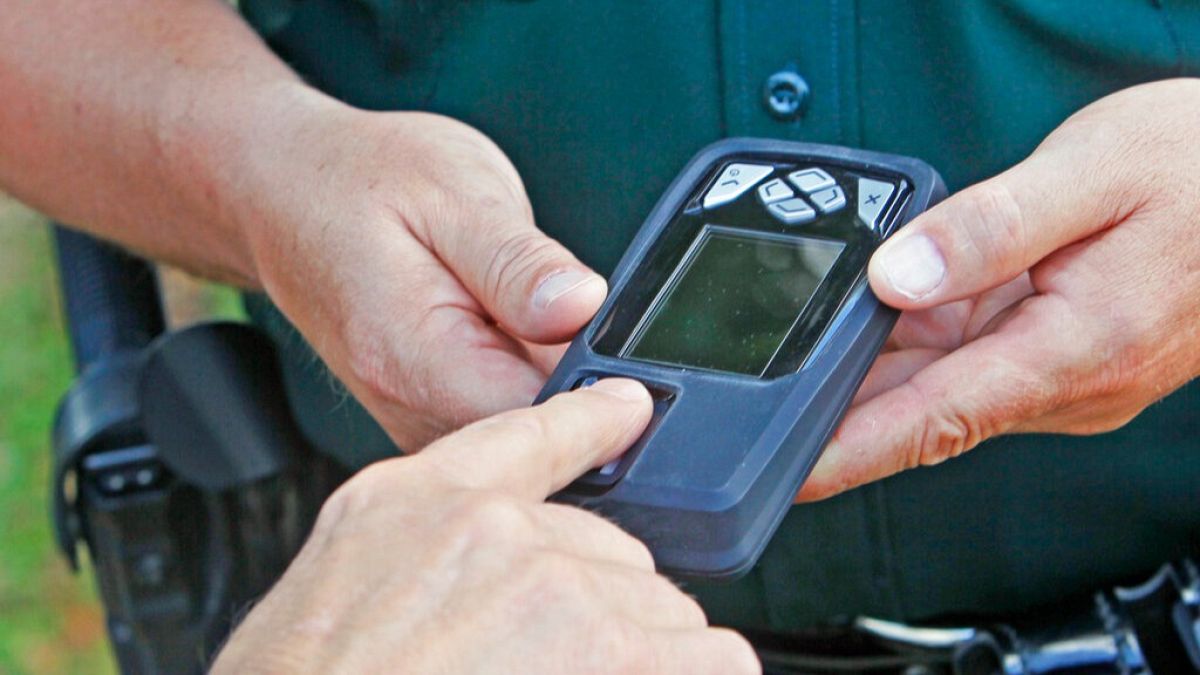
Europe is preparing for a new phase in managing its borders and the way travelers enter its territory, with the rollout of a new digital system relying on fingerprint and facial recognition instead of traditional passport stamps. The Entry/Exit System (EES), which will be gradually activated starting October 12, promises safer and smoother borders but may cause long queues in its early stages.
A digital alternative to manual stamps
The new system aims to record data of non-European travelers upon their entry and exit from the Schengen Area, which includes 29 countries—25 EU member states plus Switzerland, Norway, Liechtenstein, and Iceland. Ireland and Cyprus will continue to use manual passport processing, while the United Kingdom remains outside the system.
Under the system, travelers’ faces, fingerprints, and entry/exit dates will be recorded in a unified digital database. According to the official EU website, the manual stamping system will gradually be replaced by an electronic mechanism “that makes inspections faster and helps staff work more efficiently,” as well as enhancing countries’ ability to combat irregular migration and reduce security risks.
Gradual implementation and impact on travelers
The system began implementation this week and is expected to be fully operational by April 10, 2026. Anyone without an EU passport visiting a Schengen country for no more than 90 days within any 180-day period will be required to register in the EES system free of charge. This period counts as a unified duration across all countries applying the system.
The system allows the use of self-service gates or mobile applications to speed up crossing, creating personal records containing traveler data stored for three years to facilitate re-entry during that period.
Potential delays and long-term stays
The Australian government website “Smartraveller” warns of possible delays in the early stages, noting that “the registration process takes only a few minutes, but queues may be long during the initial rollout of the system.”
Those planning to stay longer than 180 days must check each country’s residence requirements. Australia, for example, has reciprocal visa waiver agreements with several Schengen countries such as Austria, Belgium, Denmark, Finland, Germany, Iceland, Luxembourg, the Netherlands, Norway, and Sweden, but each country has its own rules that must be reviewed in advance.




Recommended for you
Al-Jaghbeer: The Industrial Sector Leads Economic Growth
Alternative to UNIFIL Forces
Egypt Post: We Have Over 10 Million Customers in Savings Accounts and Offer Daily, Monthly, and Annual Returns
Talib Al-Rifai Chronicles Kuwaiti Art Heritage in "Doukhi.. Tasaseem Al-Saba"
Exhibition City Completes About 80% of Preparations for the Damascus International Fair Launch
Trump Advisor: Disarming Hamas is Central.. Palestinian Authority to Take Over Gaza After Required Reforms