






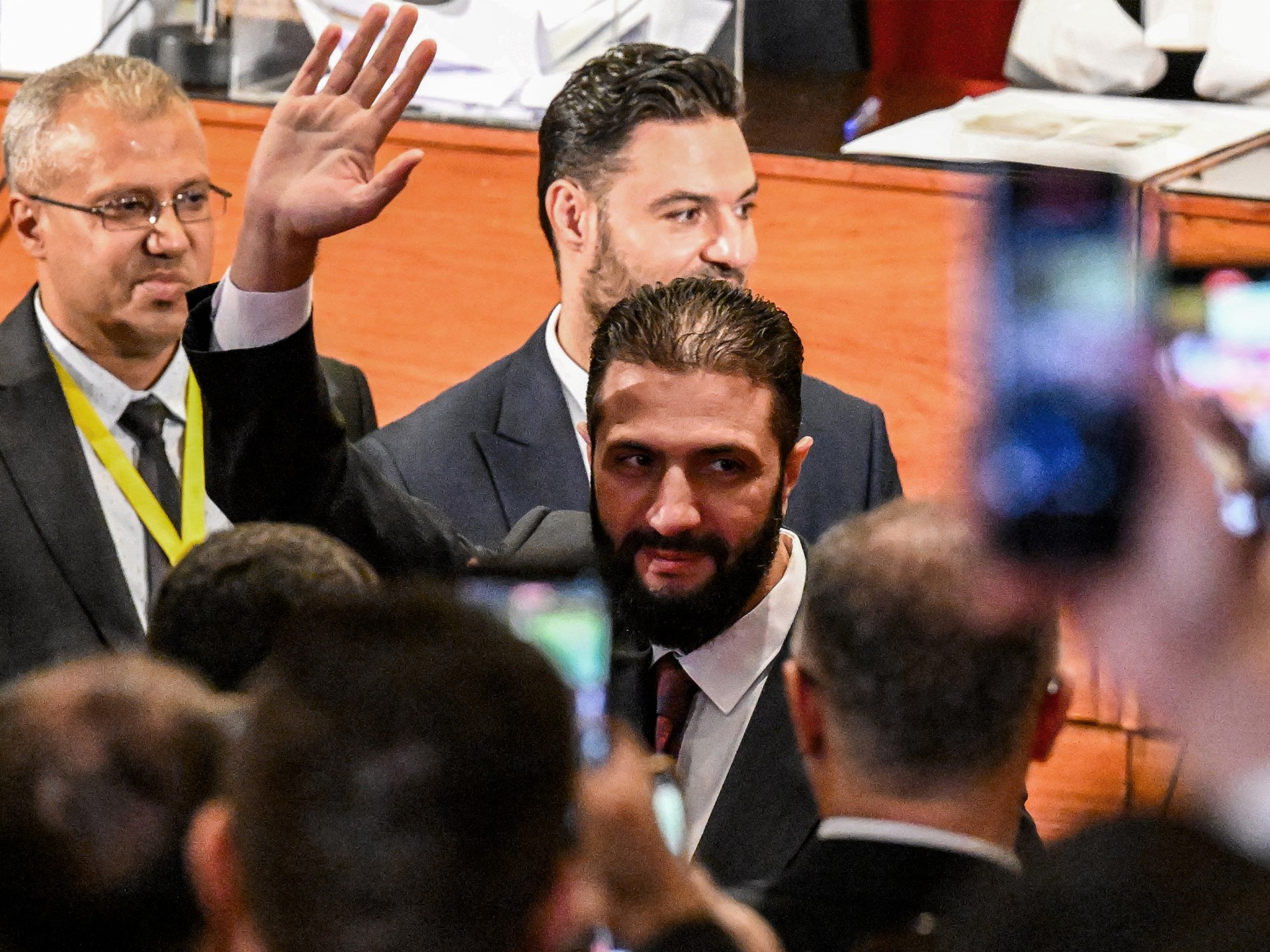
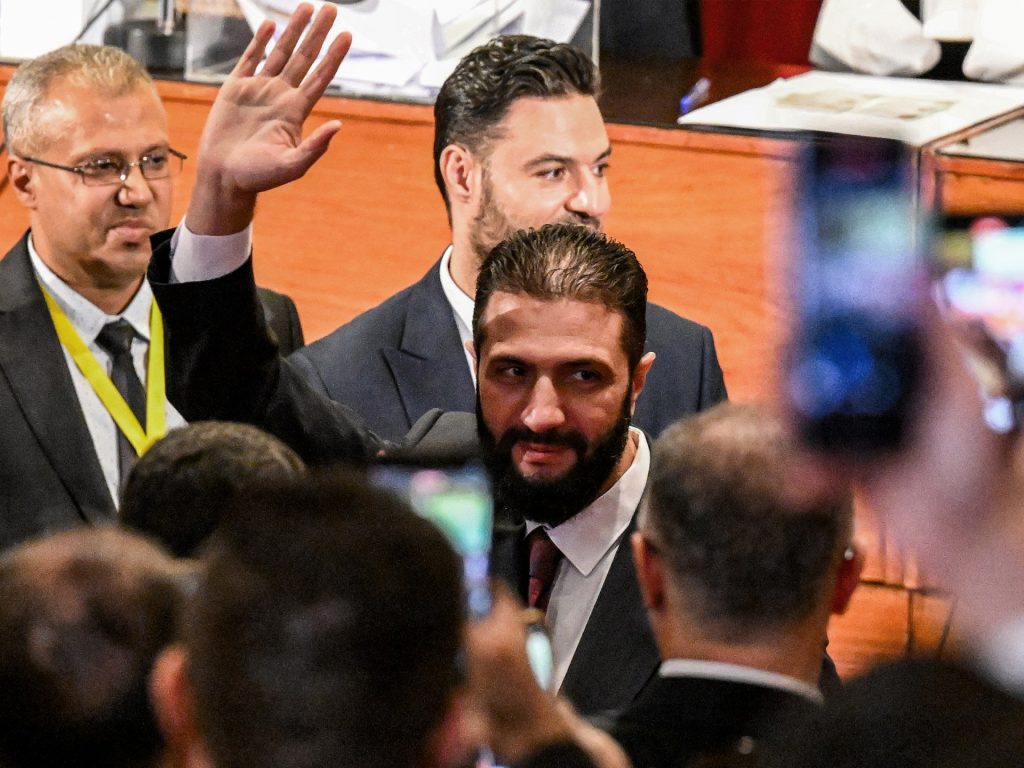
On October 5, Syria held elections for a new People’s Assembly, marking a new phase after decades of political dictatorship. The elections took place across most of the country except for As-Suwayda and northeastern Syria, with 1,578 candidates competing for 140 of the 210 seats, while the president appoints the remaining one-third.
The constitutional declaration issued on March 13 defined the council’s role and the president’s authority to appoint a supreme committee overseeing the election of two-thirds of the assembly members, while the president appoints the remaining third to ensure fair representation and competence. This presidential power sparked wide debate between supporters and opponents.
Legal expert Al-Mu’tasim Al-Kilani views this power as an exceptional and temporary constitutional step to ensure political balance and protect the transitional process amid post-conflict conditions. It is a legally recognized tool during transitional phases to balance political participation with institutional stability. He emphasized that this power does not diminish political participation rights as long as it is time-limited and ends with free elections.
Conversely, Syrian politician and former regime parliament member Imad Ghlion criticized the practical application of some constitutional provisions, noting ambiguity in powers and the merging of executive, legislative, and judicial authorities under the president. He also criticized the formation of small electoral bodies that negatively affected the electoral process and said the president’s appointment power can rebalance and correct deficiencies in the assembly.
Economic and banking expert Dr. Ibrahim Nafi’ Qushji stressed the importance of the new assembly representing the people’s authority as a cornerstone of the new political system and serving as a central tool for state rebuilding. He warned that weak competencies within the assembly threaten democratic transition and institutional reform, creating legal vacuums that undermine public trust.
He noted the necessity of clear regulations for direct appointments to ensure balance and preserve popular representation legitimacy, highlighting the importance of transparent criteria guaranteeing geographic, social, gender, and minority representation.
During the Assad family’s rule (1970-2024), Syria held 12 electoral cycles that entrenched the Baath Party’s rule and allied National Progressive Front parties. According to sociology expert Saeed Al-Bunni, no independent candidate could win elections without prior security approval, confirming their loyalty to the regime against its opponents.


Recommended for you
Al-Jaghbeer: The Industrial Sector Leads Economic Growth
Alternative to UNIFIL Forces
Egypt Post: We Have Over 10 Million Customers in Savings Accounts and Offer Daily, Monthly, and Annual Returns
Talib Al-Rifai Chronicles Kuwaiti Art Heritage in "Doukhi.. Tasaseem Al-Saba"
Exhibition City Completes About 80% of Preparations for the Damascus International Fair Launch
Trump Advisor: Disarming Hamas is Central.. Palestinian Authority to Take Over Gaza After Required Reforms