









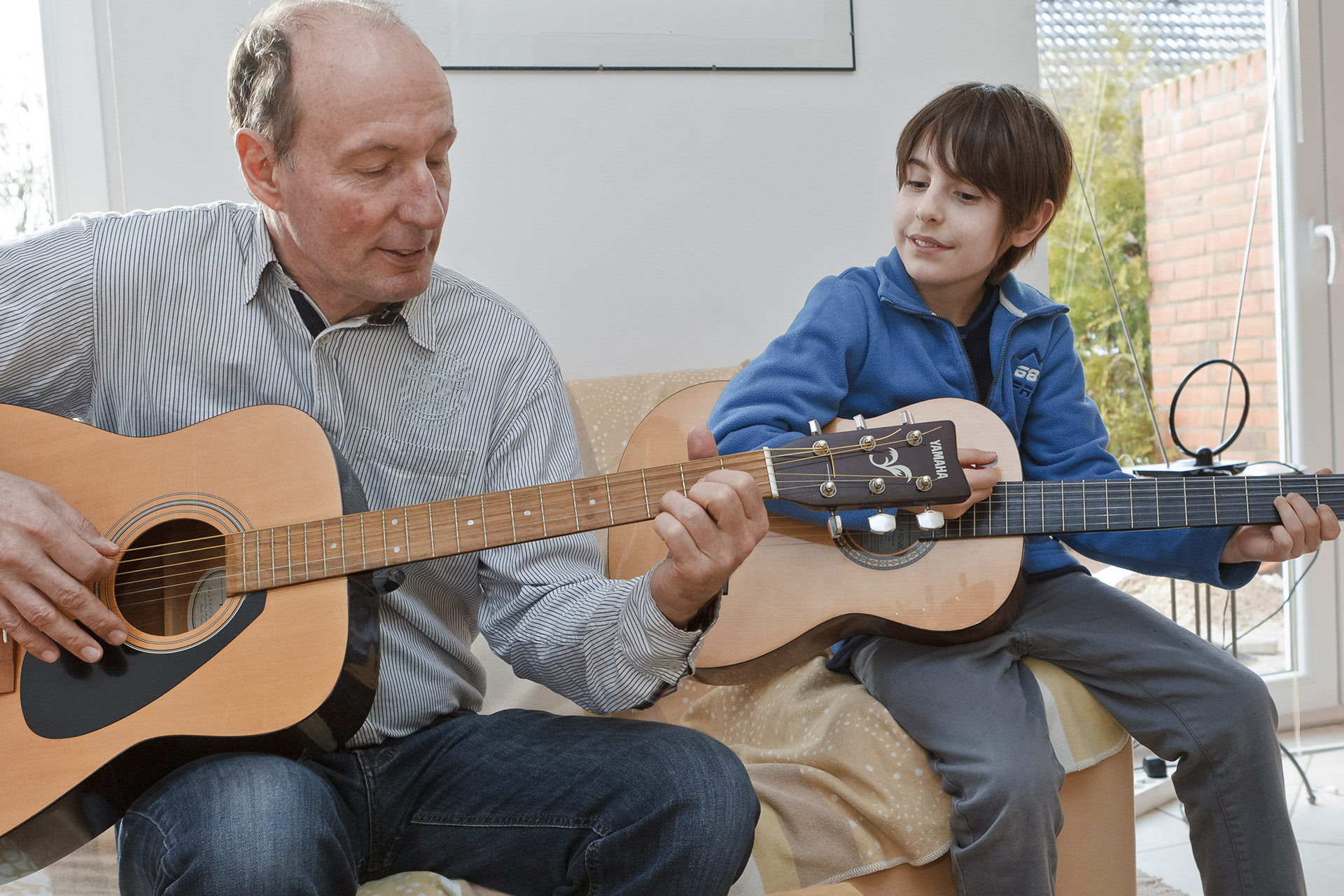

Some may think playing a musical instrument is just a childhood hobby or a talent reserved for those born with it. But the truth is quite different; learning music at any age, even in later life stages, not only provides creative enjoyment but also serves as an effective way to maintain brain health and activity.
Dr. Stephen Alder, a neurology consultant in London, explains that learning to play stimulates vital brain areas, improves mood, and supports long-term cognitive abilities. His message is clear: it’s never too late to start.
Whether rekindling an old passion or trying something completely new, learning music remains one of the smartest investments in your brain health—and also the most enjoyable.
Strengthens Memory
Learning to play a musical instrument is an effective way to enhance memory even in later stages of life. Dr. Alder explains that music learning engages the brain in complex processes such as reading musical notes, coordinating movements, and recalling melodies, supporting the neural networks responsible for memory and attention.
Repeated practice strengthens these neural connections, improving short-term memory and long-term recall. Research shows musicians often have better verbal memory and higher mental adaptability, making their brains more resistant to cognitive decline with age.
Enhances Neural Plasticity
Alder says learning an instrument after age 60 stimulates the creation of new neural connections and strengthens existing ones. Each lesson requires motor coordination, auditory processing, and problem-solving, forcing the brain to continually reprogram itself.
This repeated challenge maintains mental flexibility, a vital skill as we age. By supporting neural plasticity, learning music becomes a powerful tool to keep the brain active, adaptable, and better prepared to face age-related changes.
Improves Language and Listening Skills
Music and language share overlapping neural pathways in the brain, especially those responsible for auditory processing and rhythm. Learning to play trains the brain to accurately distinguish tone, pitch, and timing, positively impacting listening skills and speech perception.
For older adults, this can mean clearer communication even in noisy environments. Musical training strengthens connections between auditory and language centers, helping retain vocabulary and improve spoken word processing.
Boosts Mood and Emotional Health
Learning music has a significant positive effect on mental and emotional health. Playing stimulates the release of dopamine and endorphins, hormones linked to pleasure and motivation, while lowering cortisol levels responsible for stress, reducing anxiety and tension.
Musical practice requires focus and mindfulness, diverting attention from daily pressures and promoting relaxation. It also offers social interaction opportunities, an additional factor in mood improvement. Consequently, learning an instrument supports mental health and enhances life satisfaction.
Activates Executive Functions
Executive functions such as planning, attention, problem-solving, and self-control are essential skills stimulated by learning music. Playing an instrument demands focus on the score, precise coordination between hands, anticipating the next note, and adapting in real time.
With continued practice, concentration improves, mental flexibility increases, and decision-making develops—all vital skills for maintaining independence and adapting to challenges in advanced age.
Stimulates Multiple Brain Areas
Learning music activates several brain regions simultaneously. Alder explains: the motor cortex controls finger movements, the auditory cortex processes sounds, the hippocampus supports memory, and the cerebellum regulates timing and coordination. At the same time, emotional centers like the amygdala and limbic system interact with the feelings and meaning carried by music.
This integrated activation makes music an exceptional activity combining cognitive, motor, and emotional abilities, explaining its unique role in enhancing brain health and preserving vitality long-term.
May Reduce Dementia Risk
Although there is no guaranteed way to prevent dementia, learning to play a musical instrument may help reduce its likelihood. Mental stimulation through music builds what is known as cognitive reserve—the brain’s ability to resist age-related decline.
By strengthening neural networks and enhancing brain plasticity, the mind becomes better able to adapt even when early signs of dementia appear. Music also supports brain health through emotional benefits such as stress reduction and mood improvement, making late-life music learning a valuable preventive strategy to maintain brain vitality.




Recommended for you
Al-Jaghbeer: The Industrial Sector Leads Economic Growth
Alternative to UNIFIL Forces
Egypt Post: We Have Over 10 Million Customers in Savings Accounts and Offer Daily, Monthly, and Annual Returns
Talib Al-Rifai Chronicles Kuwaiti Art Heritage in "Doukhi.. Tasaseem Al-Saba"
Exhibition City Completes About 80% of Preparations for the Damascus International Fair Launch
Trump Advisor: Disarming Hamas is Central.. Palestinian Authority to Take Over Gaza After Required Reforms