









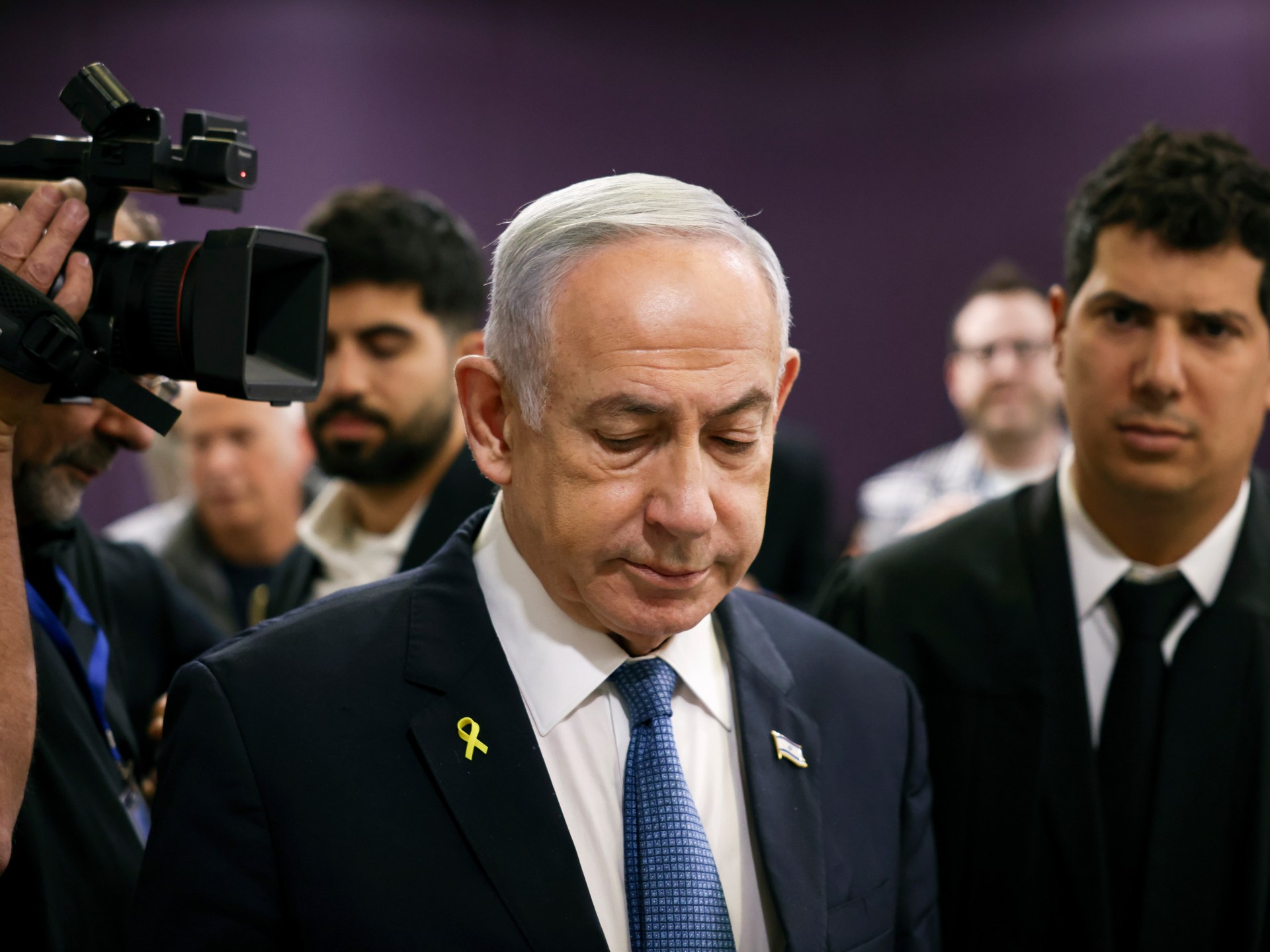
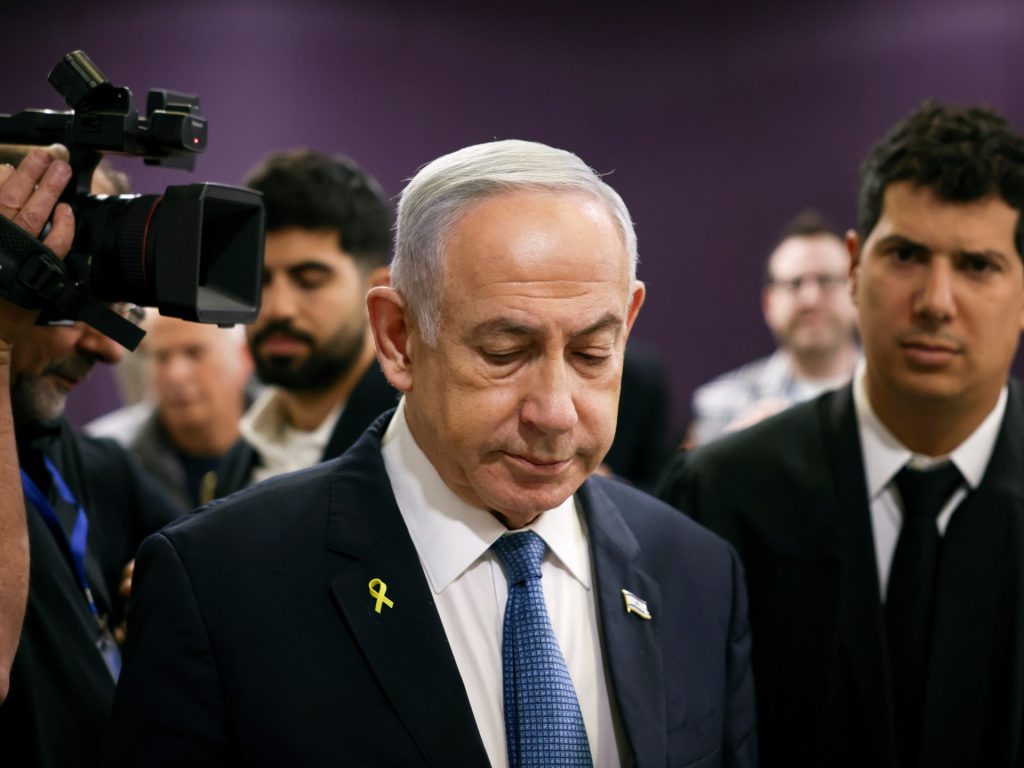
The apology by Israeli Prime Minister Benjamin Netanyahu to his Qatari counterpart Sheikh Mohammed bin Abdulrahman Al Thani—initiated by U.S. President Donald Trump—carries significant importance in terms of timing, implications, and the messages it conveyed.
Al Jazeera’s White House correspondent Wajd Waqfi reported that Trump took the initiative—after Netanyahu’s arrival at the White House—to call the Qatari Prime Minister, noting that Netanyahu issued a “rare Israeli apology” during their third call.
The Israeli apology followed a breach of Qatar’s sovereignty and security, and the death of a Qatari security officer during the Israeli aggression targeting the negotiating delegation of the Islamic Resistance Movement (Hamas) in Doha, which also resulted in the deaths of five Palestinians.
On September 9, Israel launched a military attack on Qatar, targeting a residential headquarters where several Hamas leaders were meeting to discuss a proposal presented by Trump to end the Gaza war and secure the release of remaining Israeli prisoners held by the resistance in Gaza.
Qatar, which has acted as a mediator to end the Gaza war for nearly two years, described the Israeli attack as a treacherous aggression and state terrorism, affirming that it violated the very principle of mediation. Qatar pledged to take all necessary measures to protect its security and territorial integrity.
According to Al Jazeera’s correspondent, Qatar accepted Trump’s initiative out of concern for regional security and stability and a desire to continue its mediation role in ceasefire negotiations and prisoner exchanges.
Meanwhile, Israeli Broadcasting Corporation quoted a source saying Netanyahu did not inform ministers about the apology to Qatar, noting that Doha had demanded Netanyahu’s apology as a condition for continuing its participation in the negotiations.
“Forced Apology”
Walid Al-Omari, Al Jazeera’s bureau chief in Ramallah, said Netanyahu’s apology—who usually deals arrogantly and arrogantly with various international parties—is a significant matter, noting that the step made headlines in the Israeli press.
According to Al-Omari, Netanyahu’s apology came 20 days after the Israeli attack on Doha and included a commitment and guarantee not to repeat the attack, pointing out that Qatar conditioned its return to mediation on the apology of the aggressor.
The Israeli apology to Qatar is considered more significant than Netanyahu’s apology to his Turkish counterpart Recep Tayyip Erdoğan when he was Prime Minister of Turkey, as that apology came years after the attack on the “Mavi Marmara” ship attempting to break the Gaza blockade.
Al-Omari expressed his conviction that the timing of Netanyahu’s apology indicates that he “has started to respond to the terms or large parts of Trump’s plan to stop the war and the day after the war.”
Moreover, Netanyahu’s apology at this time is “an acknowledgment of the mistake he made in the aggression on Doha,” which Israeli experts described at the time as a “historic mistake that will lead to transformations in the course of the war.”
Al-Omari emphasized that Netanyahu offered the apology under compulsion and not voluntarily, especially after realizing he had become isolated at the United Nations, and that accepting the apology means paving the way for a ceasefire in Gaza.
“Exceptional Event”
The exceptional Israeli apology is expected to open the way for the return of Qatari mediation, especially given the presence of the Hamas negotiating delegation in Doha, according to Al Jazeera correspondent Suhaib Al-Assa.
Qatari officials emphasized throughout the days following the Israeli aggression the importance of the country’s security and sovereignty and did not mention mediation, indicating that the apology was a Qatari condition for continuing mediation in Gaza war negotiations.
Trump cannot do without Qatar’s mediation and its effective role in his efforts to stop the Gaza war, while Netanyahu wanted to end Qatar’s role due to internal Israeli pressures.
This is Netanyahu’s third apology in his history; he apologized to the late King Hussein bin Talal of Jordan after the Mossad attempted assassination of Hamas political bureau chief Khaled Mashal, and also apologized to Erdoğan for the Israeli navy attack on the “Mavi Marmara” ship.


Recommended for you
Al-Jaghbeer: The Industrial Sector Leads Economic Growth
Egypt Post: We Have Over 10 Million Customers in Savings Accounts and Offer Daily, Monthly, and Annual Returns
Alternative to UNIFIL Forces
Talib Al-Rifai Chronicles Kuwaiti Art Heritage in "Doukhi.. Tasaseem Al-Saba"
Exhibition City Completes About 80% of Preparations for the Damascus International Fair Launch
Trump Advisor: Disarming Hamas is Central.. Palestinian Authority to Take Over Gaza After Required Reforms