









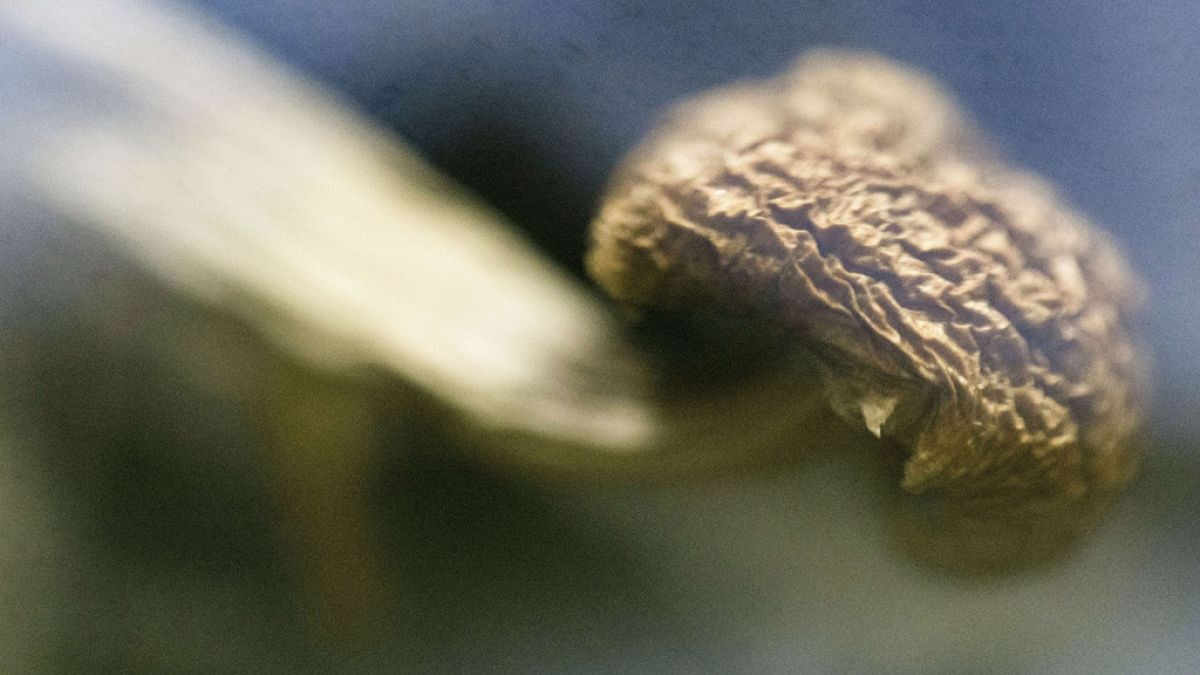
Psilocybin is a highly sensitive substance, and its use is strictly regulated in many countries. In Sweden, it is permitted for scientific research purposes.
Researchers at Lund University in Sweden are preparing to test psilocybin, a hallucinogenic substance extracted from a type of mushroom known as “magic mushrooms,” on patients with Anorexia Nervosa.
The study will include 40 patients aged between 16 and 35 years, who have previously received psychological care and experienced at least one relapse. They will be given psilocybin on two separate occasions under medical supervision, with the study expected to conclude in 2027.
What is this substance?
Psilocybin is a highly sensitive substance, strictly controlled in many countries. In Sweden, it is allowed for scientific research purposes. It is found in a type of mushroom called magic mushrooms, commonly growing in Australia, also known by names such as Golden Tops, Blue Meanies, and Liberty Caps.
Effects of Magic Mushrooms
Consuming this type of mushroom causes strong symptoms including euphoria, feelings of relaxation, changes in consciousness, mood, thought, and perception, pupil dilation, visual and auditory hallucinations, stomach disturbances and nausea, headache, rapid or irregular heartbeat, increased body temperature with rapid breathing, vomiting, facial flushing, sweating or chills. These symptoms can be severe in some cases and may cause death.
Psilocybin can be manufactured as a white crystalline powder or converted into tablets or capsules for research use. It has shown positive results in patients with depression and post-traumatic stress disorder (PTSD) who have taken it.
This time, researchers aim to test the hypothesis that psilocybin may affect synaptic plasticity in the brain, helping to change patterns of thinking and behavior, thus potentially aiding patients suffering from anorexia. Expected effects may last up to eight hours, with patients also receiving additional conventional treatments.
Anorexia Nervosa Disorder
Anorexia nervosa is a serious mental illness and is considered one of the most life-threatening psychiatric diagnoses, with no currently approved drug treatment.
Patients with anorexia often have an intense fear of gaining weight and tend to believe they are overweight even if they are actually thin, leading to excessive concern about the type and amount of food they consume, to the point of endangering their lives.
This disorder also causes brain changes due to malnutrition, which affect and weaken the body, limiting the person’s ability to perform daily tasks effectively.




Recommended for you
Al-Jaghbeer: The Industrial Sector Leads Economic Growth
Alternative to UNIFIL Forces
Egypt Post: We Have Over 10 Million Customers in Savings Accounts and Offer Daily, Monthly, and Annual Returns
Talib Al-Rifai Chronicles Kuwaiti Art Heritage in "Doukhi.. Tasaseem Al-Saba"
Exhibition City Completes About 80% of Preparations for the Damascus International Fair Launch
Trump Advisor: Disarming Hamas is Central.. Palestinian Authority to Take Over Gaza After Required Reforms