









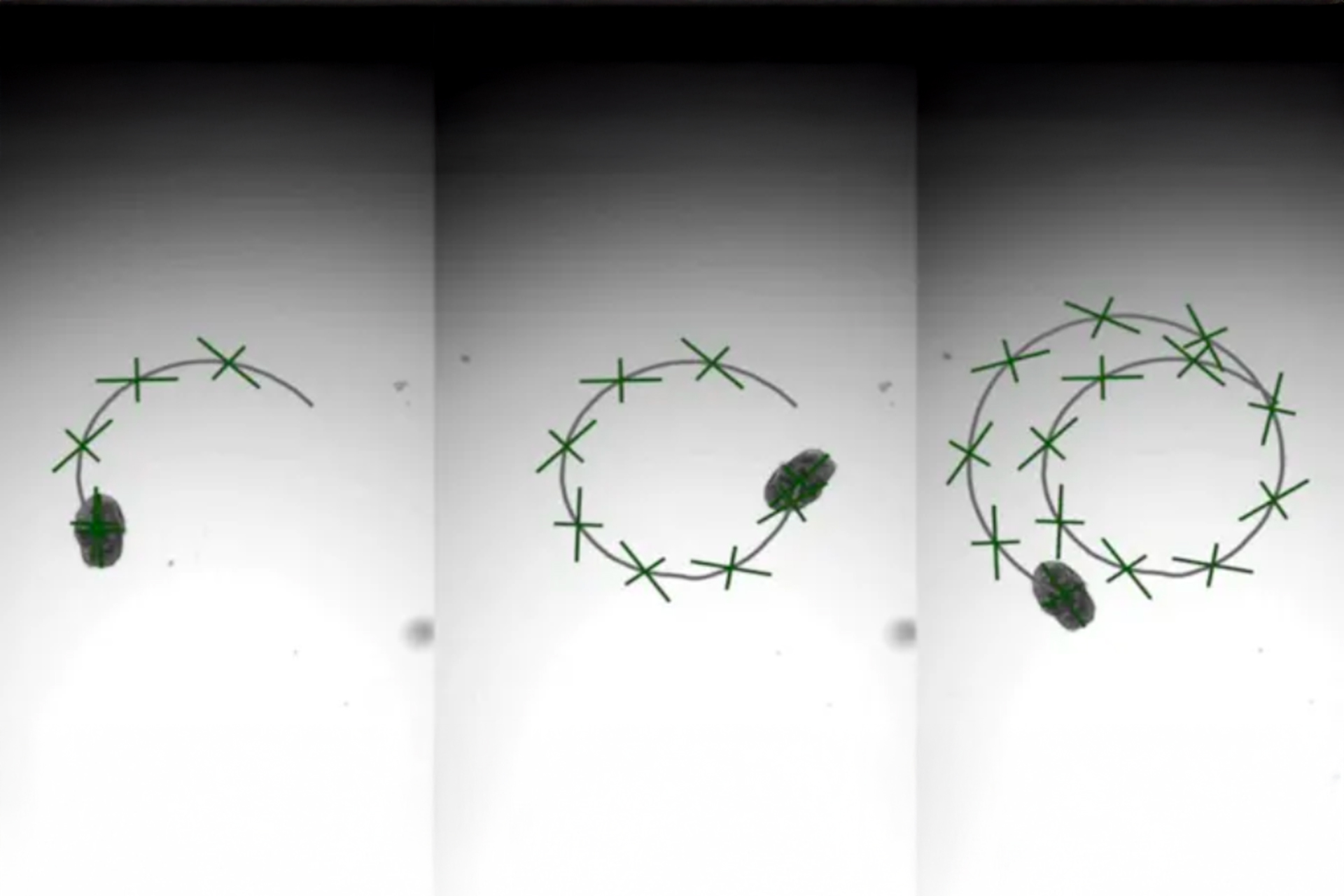
Researchers have developed a completely new engineering approach that enables control over the movement of biological robots made from human lung cells. These microscopic living robots may one day be able to navigate complex body environments to deliver therapeutic or mechanical interventions as needed.
The study was conducted by researchers from Dr. Shi Ren’s lab at Carnegie Mellon University in the United States, and its results were published in the journal Science Advances on September 26. The findings were reported by EurekAlert.
Biological robots are human-made microscopic biological machines capable of self-movement and programmable to perform specific tasks or behaviors.
Previously, enabling biological robots to move focused on using muscle fibers that allow movement through contraction and relaxation like real muscles.
Movement Using Cilia
An alternative and innovative operating mechanism can be found using cilia, which are nanoscale organic fans resembling hair that continuously move fluids in the body, as in the lungs. However, precise control over the shape and movement of these robots was challenging.
Ren’s lab developed a new modular assembly strategy to manufacture ciliated robots by spatially controlled assembly of tissue spheroids created by the lab engineers from lung stem cells, known as “AggreBots.”
These assembled robots can include tissue spheroids from stem cells carrying a genetic mutation that disrupts cilia movement in specific areas, allowing control over their motion.
This technology benefits a wide range of researchers, including those in bio-robotics, physicians, and medical researchers studying how cilia function in certain diseases.




Recommended for you
Al-Jaghbeer: The Industrial Sector Leads Economic Growth
Alternative to UNIFIL Forces
Egypt Post: We Have Over 10 Million Customers in Savings Accounts and Offer Daily, Monthly, and Annual Returns
Talib Al-Rifai Chronicles Kuwaiti Art Heritage in "Doukhi.. Tasaseem Al-Saba"
Exhibition City Completes About 80% of Preparations for the Damascus International Fair Launch
Trump Advisor: Disarming Hamas is Central.. Palestinian Authority to Take Over Gaza After Required Reforms