






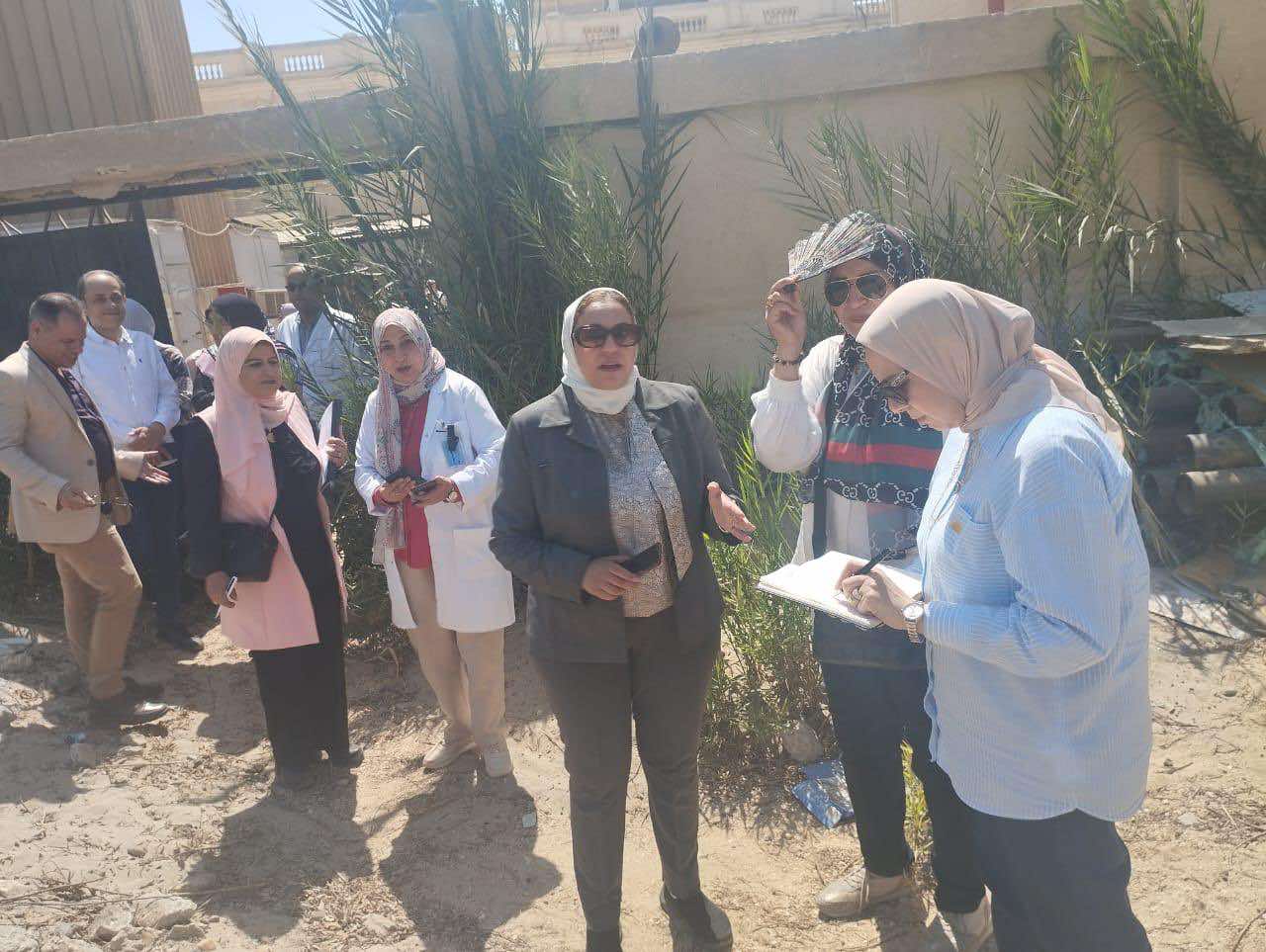
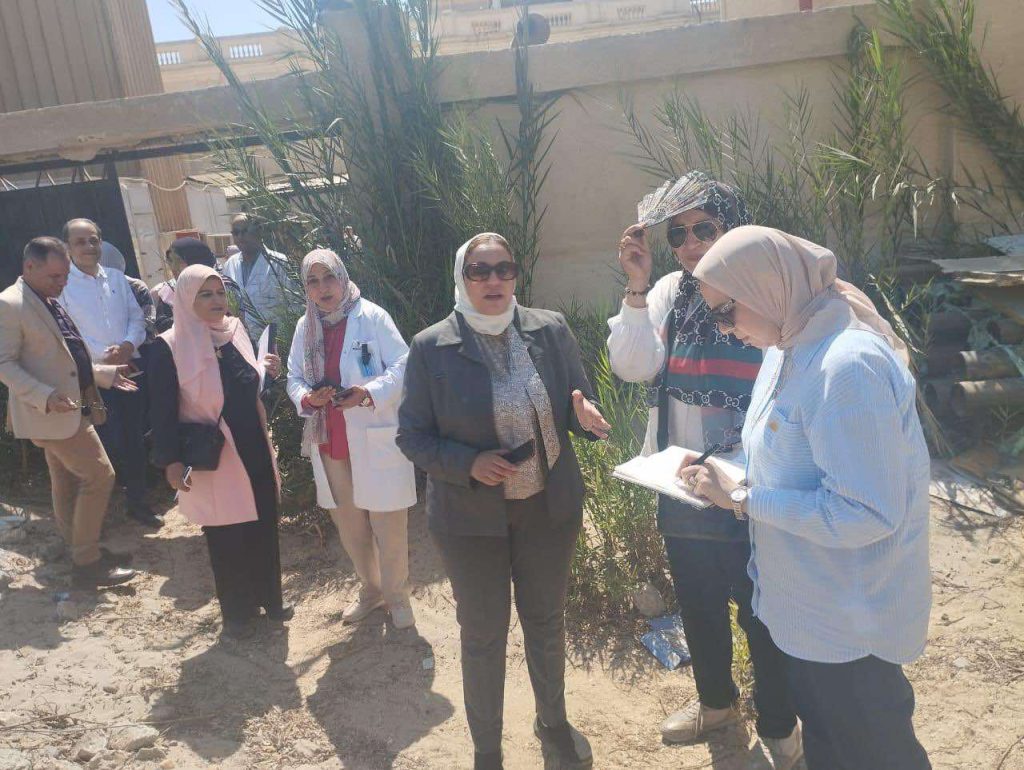
The Ministry of Health and Population continues to carry out a comprehensive field evaluation of health facilities in Minya Governorate as part of preparations for the implementation of the second phase of the comprehensive health insurance system, following directives from Dr. Mostafa Madbouly, Prime Minister, and instructions from Dr. Khaled Abdel Ghaffar, Deputy Prime Minister and Minister of Health and Population.
The evaluation aims to assess the technical, operational, and structural readiness of health facilities to prepare an accurate report reflecting the health reality in the governorate, contributing to building a service map that achieves justice in the distribution of health services and ensures their delivery to all citizens with quality and efficiency.
Dr. Hossam Abdel Ghaffar, the Ministry’s official spokesperson, confirmed that technical teams are working in coordination with relevant authorities to cover all governmental and non-governmental health facilities, relying on direct field data to prioritize interventions based on actual needs. He mentioned that the evaluation during the first two days included four main teams: two teams inspecting health units, one team evaluating hospitals, and another monitoring private facilities and treatment.
Health Units:
18 health units were visited in the centers of Mallawi, Beni Mazar, Samalut, Matai, and Maghagha, including units in Sawahja, Sheikh Abada, Awlad Margan, the Urban Medical Center, and the Maternal and Childcare Center, among others. Sites of ongoing health projects or those designated for future expansion were also inspected.
Hospitals:
The visits included 15 governmental hospitals in the centers of Mallawi, Deir Mawas, Abu Qirqas, Samalut, Minya, and Al Fikria, including Al Fikria Central Hospital, New Abu Qirqas Hospital, Mallawi Specialized Hospital, Samalut Model Hospital, and Minya General Hospital, alongside 11 private hospitals coordinated with free treatment teams.
Dr. Rasha El Sharkawy, Head of the Central Administration for Strategic Management, explained that the evaluation relies on a unified model that considers the specificity of each facility, covering technical, structural, technological aspects, availability of human resources, and geographic and social factors.
She added that the teams hold daily meetings to review observations and prepare accurate reports, discussing the implementation status of health projects to ensure their compliance with the standards of comprehensive health insurance.
The Ministry confirmed that this evaluation represents a strategic step to complete the implementation of the comprehensive health insurance system, reinforcing the state’s commitment to relying on realistic inspections for decision-making to achieve fair and sustainable health coverage, in line with Egypt’s Vision 2030.


Recommended for you
Al-Jaghbeer: The Industrial Sector Leads Economic Growth
Alternative to UNIFIL Forces
Egypt Post: We Have Over 10 Million Customers in Savings Accounts and Offer Daily, Monthly, and Annual Returns
Talib Al-Rifai Chronicles Kuwaiti Art Heritage in "Doukhi.. Tasaseem Al-Saba"
Exhibition City Completes About 80% of Preparations for the Damascus International Fair Launch
Trump Advisor: Disarming Hamas is Central.. Palestinian Authority to Take Over Gaza After Required Reforms