









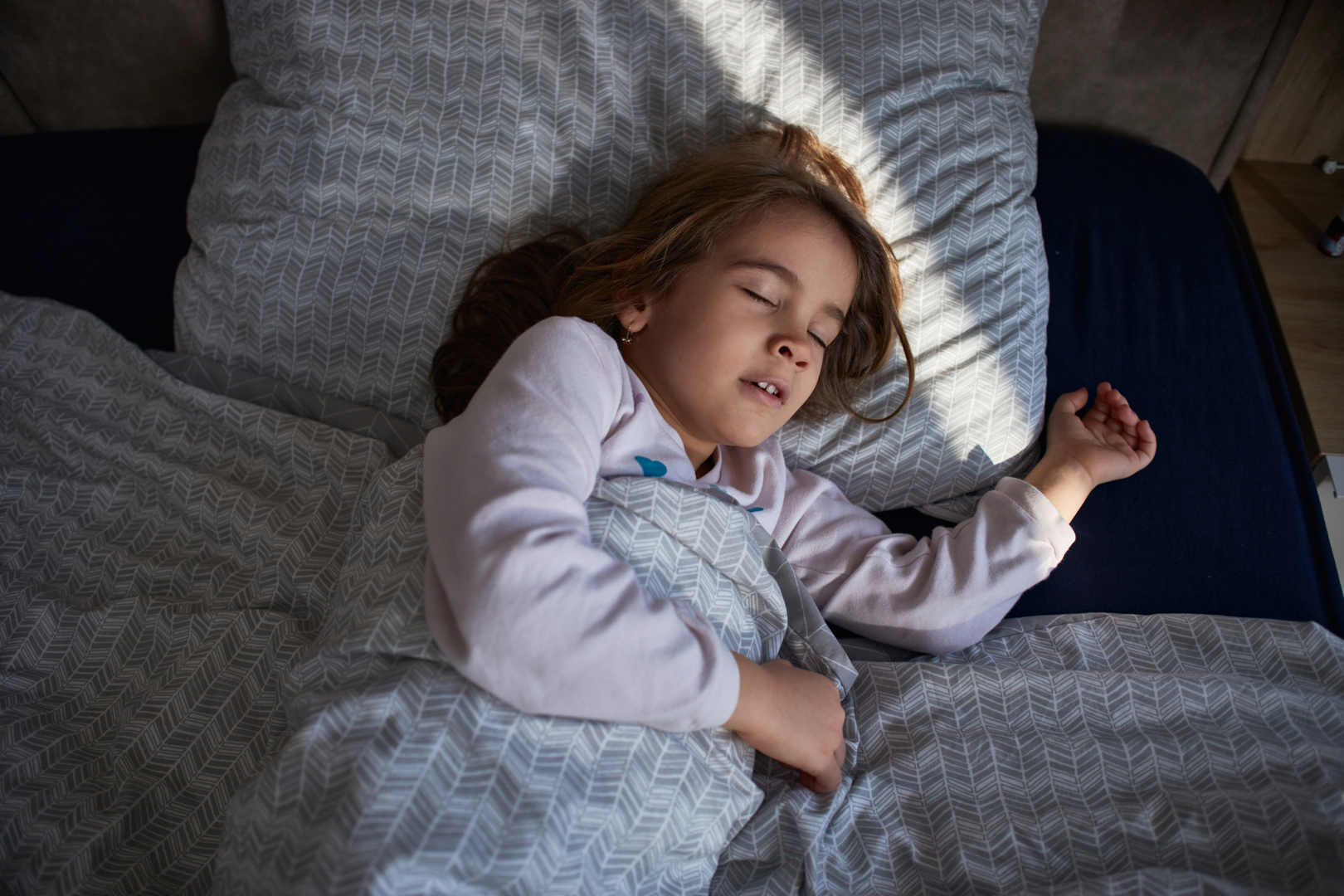
Les taux d’obésité chez les enfants augmentent de manière significative, l’Organisation mondiale de la santé annonçant que pour la première fois dans l’histoire, le nombre d’enfants obèses dans le monde a dépassé celui des enfants insuffisamment pondérés.
Selon les experts en santé, la “crise de l’obésité” est liée à une augmentation des cas d’apnée du sommeil chez les enfants, une condition grave auparavant considérée comme affectant uniquement les adultes.
L’apnée du sommeil se caractérise par des interruptions répétées de la respiration pendant le sommeil et est associée à de graves risques pour la santé, notamment les maladies cardiaques, les AVC et le diabète. Chez les enfants, elle résulte souvent d’une hypertrophie des amygdales ou des végétations adénoïdes, ainsi que du rôle direct de l’obésité dans l’aggravation de la condition.
Les experts révèlent trois signes d’alerte principaux de cette condition chez les enfants auxquels les parents doivent prêter attention :
1. Ronflement chronique et fort
Le ronflement persistant et fort est un signe d’alerte majeur, indiquant une difficulté à faire passer l’air dans les voies respiratoires pendant le sommeil. Cela diffère du ronflement occasionnel normal, car ce type est régulier et accompagné d’un son fort ressemblant à une suffocation ou un halètement.
Ce bruit résulte de la vibration des tissus mous dans la gorge due à la résistance de l’air lors des tentatives de respiration, nécessitant une évaluation médicale.
2. Fatigue et somnolence diurnes
Les enfants souffrant d’apnée du sommeil montrent des signes évidents d’épuisement pendant les heures d’éveil, se réveillant fatigués malgré un sommeil suffisant. Cela se manifeste par des difficultés à se réveiller le matin, des bâillements fréquents, une mauvaise concentration à l’école, et même un sommeil involontaire pendant les activités quotidiennes.
Ces symptômes proviennent du manque de sommeil profond suffisant dû aux interruptions répétées de la respiration.
3. Positions de sommeil anormales
Les enfants peuvent adopter involontairement des positions de sommeil inhabituelles pour améliorer le flux d’air, comme incliner excessivement la tête en arrière, dormir la bouche ouverte ou dormir en position assise.
Ils peuvent également présenter des mouvements répétés comme des retournements constants ou des réveils soudains. Ces comportements représentent la tentative du corps de surmonter les difficultés respiratoires et indiquent que l’enfant fait un effort supplémentaire pour respirer pendant le sommeil.
Les experts en santé déclarent : “Les enfants atteints d’apnée obstructive du sommeil peuvent adopter des positions de sommeil inhabituelles pour mieux respirer. Si vous remarquez cela, surveillez les autres symptômes inquiétants et consultez un médecin si vous êtes inquiet.”
D’autres signes d’apnée du sommeil peuvent inclure :
- Réveils fréquents tout au long de la nuit
- Réveil avec sensation de fatigue, de mécontentement ou refus du petit-déjeuner
- Retard de croissance et prise de poids
- Hyperactivité ou agressivité, surtout chez les jeunes enfants
- Premièrement, la régulation de la nutrition est cruciale ; le dîner doit être servi au moins deux à trois heures avant le coucher, en privilégiant des repas légers, pauvres en graisses et en sucres. Évitez les collations tardives et assurez-vous que le dîner est équilibré avec des protéines et des légumes, en remplaçant les sodas et jus sucrés par de l’eau ou du lait chaud.
- Deuxièmement, l’activité physique régulière joue un rôle central dans l’amélioration de la qualité du sommeil en renforçant les muscles respiratoires et en améliorant l’efficacité du système respiratoire. Il est recommandé de pratiquer 60 minutes d’activité physique par jour, en se concentrant sur des exercices aérobiques comme la marche rapide, la natation et le vélo, qui améliorent la circulation et ouvrent les voies respiratoires. L’activité physique peut également être intégrée dans la routine quotidienne en prenant les escaliers au lieu de l’ascenseur et en participant à des jeux physiques collectifs.
- Troisièmement, l’amélioration de la qualité du sommeil est étroitement liée aux habitudes quotidiennes, en créant un environnement de sommeil confortable par l’obscurcissement de la chambre, la réduction du bruit et le maintien d’une température appropriée. Il faut respecter un horaire de sommeil régulier, limiter l’utilisation des appareils électroniques au moins une heure avant le coucher, en les remplaçant par des activités relaxantes comme la lecture ou l’écoute de musique douce.
Les experts recommandent de consulter un médecin si ces symptômes sont observés.
La prévention est essentielle pour lutter contre l’apnée du sommeil chez les enfants et peut être réalisée par une approche intégrée axée sur trois piliers principaux :
Il convient de noter que ces mesures préventives ne protègent pas seulement contre l’apnée du sommeil, mais contribuent également à améliorer la santé globale et la qualité de vie des enfants.




Recommended for you
طالب الرفاعى يؤرخ لتراث الفن الكويتى فى "دوخى.. تقاسيم الصَبا"
الجغبير: القطاع الصناعي يقود النمو الاقتصادي
مدينة المعارض تنجز نحو 80% من استعداداتها لانطلاق معرض دمشق الدولي
تقديم طلبات القبول الموحد الثلاثاء و640 طالبا سيتم قبولهم في الطب
البريد المصري: لدينا أكثر من 10 ملايين عميل في حساب التوفير.. ونوفر عوائد يومية وشهرية وسنوية
سمو الشيخ عيسى بن سلمان بن حمد آل خليفة يستقبل سفير الولايات المتحدة الأمريكية لدى مملكة البحرين