








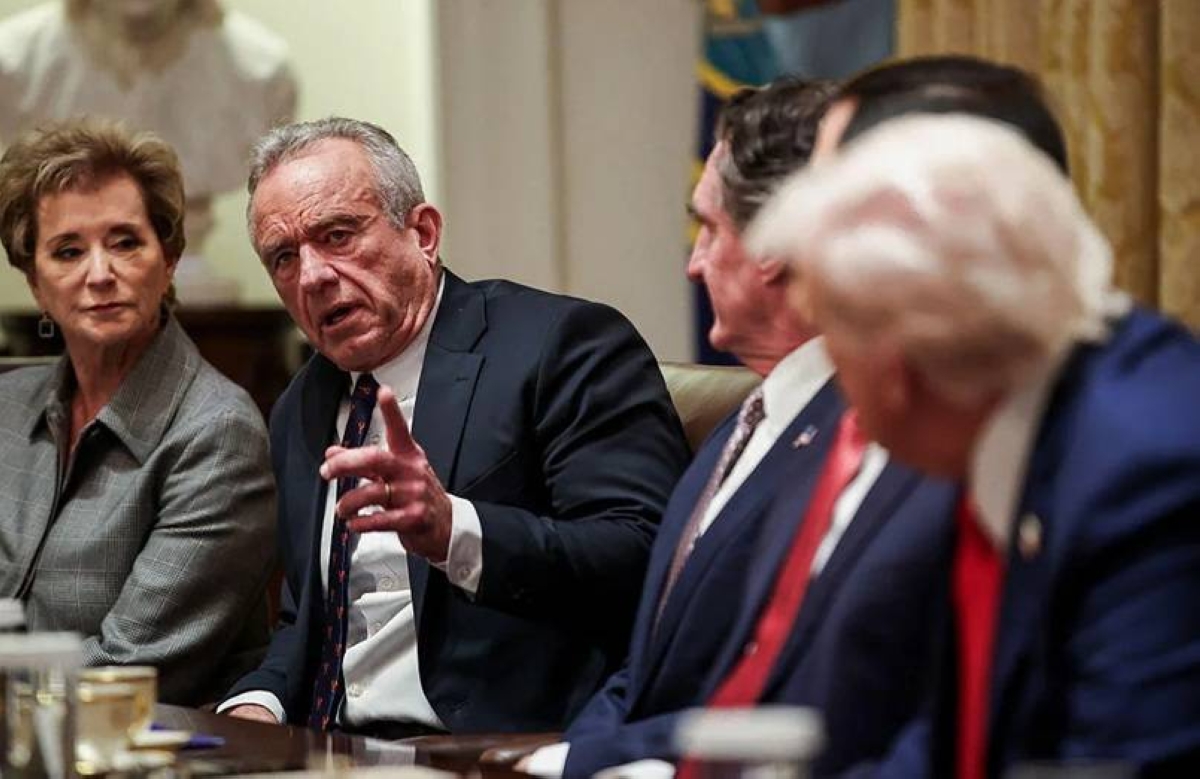
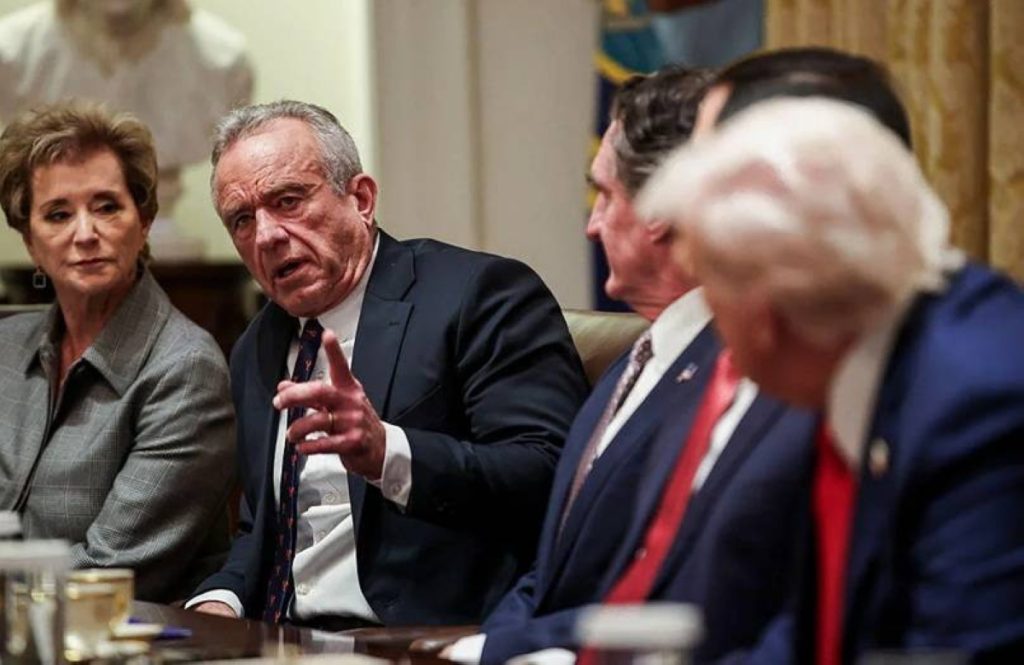
US Health Secretary Robert F. Kennedy Jr. sparked widespread controversy after statements he made during a cabinet meeting, suggesting a possible link between circumcision and autism spectrum disorder in children, while reaffirming an unproven theory connecting the drug paracetamol (the active ingredient in Tylenol) to increased autism risk. These statements drew sharp criticism from medical experts.
Kennedy referred to two unspecified studies, claiming they show that autism rates double among children circumcised at an early age, suggesting the cause might be the administration of paracetamol after the procedure.
However, experts clarified that the likely studies he referred to—one conducted in 2013 across eight countries and another from Denmark in 2015—have methodological flaws, showing statistical correlation rather than causation, and are influenced by factors such as culture and religion that may affect autism diagnosis.
Dr. Celine Gounder, a medical contributor at CBS, stated these studies suffer from “statistical noise,” explaining that the relationship between circumcision and autism may be misleading due to other factors like healthcare interaction or parental education and income levels, which can lead to earlier autism diagnoses in some children. She added that the alleged association disappears after age five, negating a causal link.
Meanwhile, Dr. Stephen Abelowitz, director of Ocean Pediatric Center, denied any studies proving a causal relationship between circumcision or paracetamol and autism, emphasizing that most circumcisions are performed within the first days after birth using local anesthesia, and paracetamol is rarely used afterward. He cited his 30 years of experience performing around 10,000 circumcisions.
Kennedy’s remarks sparked controversy not only in the US but internationally, as the UK’s National Autistic Society issued a statement calling these claims “anti-science” and “dangerous,” warning they could endanger lives due to lack of solid scientific basis.
It is worth noting that last month, former US President Donald Trump announced that the FDA considers paracetamol use during pregnancy may be linked to increased autism risk, without providing new evidence. The American College of Obstetricians and Gynecologists responded with a statement affirming paracetamol’s safety during pregnancy, calling the remarks “worrying and irresponsible.” Tylenol’s manufacturer also confirmed that independent scientific studies show no link between paracetamol and autism.




Recommended for you
Talib Al-Rifai Chronicles Kuwaiti Art Heritage in "Doukhi.. Tasaseem Al-Saba"
Exhibition City Completes About 80% of Preparations for the Damascus International Fair Launch
Unified Admission Applications Start Tuesday with 640 Students to be Accepted in Medicine
Al-Jaghbeer: The Industrial Sector Leads Economic Growth
Egypt Post: We Have Over 10 Million Customers in Savings Accounts and Offer Daily, Monthly, and Annual Returns
His Highness Sheikh Isa bin Salman bin Hamad Al Khalifa Receives the United States Ambassador to the Kingdom of Bahrain