







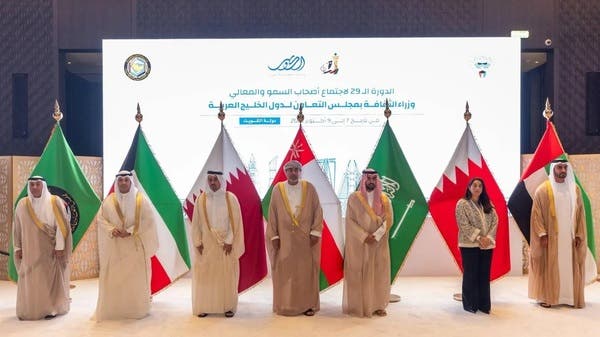
The Culture Ministers of the Gulf Cooperation Council (GCC) countries discussed a series of proposals, decisions, and visions during their 29th meeting in Kuwait, focusing on supporting the progress of joint cultural work.
The ministerial meeting reviewed the achievements and targets of the GCC cultural strategy, examined plans for joint events, and efforts for cooperation in various cultural fields.
It also aims to enhance Gulf efforts in cultural affairs, unify visions and aspirations on related international files, and expand cooperation with neighboring countries and the global community.
Jassim Al-Budaiwi, Secretary-General of the Council, said during the meeting, “Our pride in our heritage, culture, and conscious openness has made the Gulf countries active partners in the journey of civilization, peacebuilding, and prosperity worldwide,” pointing to “the enlightened efforts exerted by the ministries and relevant bodies in the GCC countries, resulting in tangible achievements.”
Al-Budaiwi added that the meeting is based on the GCC Cultural Strategy 2020-2030, which includes key pillars such as enhancing work in translation and Arabization, supporting the presence of the Arabic language, developing joint activities and events that strengthen Gulf identity, deepen bonds between peoples, and develop international cooperation with brotherly and friendly countries.
The meeting concluded with several outcomes, most notably supporting Kuwait’s nomination for membership in the World Heritage Committee, approving work regulations for joint Gulf events and their calendar for 2026-2028, enhancing participation of people with disabilities, issuing the third edition of the Writers’ Guidebook, and joint work on creative cultural industries.
On the sidelines of the meeting, a ceremony was held to “honor creatives in the cultural field in the Gulf countries,” which Al-Budaiwi described as “a step that inspires generations to continue giving and building pillars of literature, art, and thought, reflecting the authenticity of our culture and the depth of our heritage, expressing our vision for a culturally rich future filled with values and knowledge, and presenting the world with a living model of our ancient civilization.”
Addressing the honorees, the Secretary-General said, “You are shaping the future and inspiring coming generations to continue the cultural giving journey. Every achievement you make is a message to every young Gulf man and woman, telling them: (Culture and creativity are your path to building self, society, and future).”
He added, “This honoring is not the end but a beginning for more achievements and a motivation to continue their journey in creativity and impact,” noting that “culture and thought are the two main pillars for building an advanced society that values knowledge, elevates creativity, and encourages active participation in shaping the future.”
Al-Budaiwi praised the institutions and individuals contributing to supporting the cultural movement in the Gulf countries and their participation in building a journey full of giving, emphasizing “the importance of continuing to support young talents, preparing a cultural environment that encourages innovation, and enhancing opportunities for creativity in all fields to ensure the continuation of the cultural renaissance in our region, and that the Gulf remains a global model in art, literature, and thought.”




Recommended for you
Talib Al-Rifai Chronicles Kuwaiti Art Heritage in "Doukhi.. Tasaseem Al-Saba"
Exhibition City Completes About 80% of Preparations for the Damascus International Fair Launch
Al-Jaghbeer: The Industrial Sector Leads Economic Growth
Unified Admission Applications Start Tuesday with 640 Students to be Accepted in Medicine
Egypt Post: We Have Over 10 Million Customers in Savings Accounts and Offer Daily, Monthly, and Annual Returns
His Highness Sheikh Isa bin Salman bin Hamad Al Khalifa Receives the United States Ambassador to the Kingdom of Bahrain