









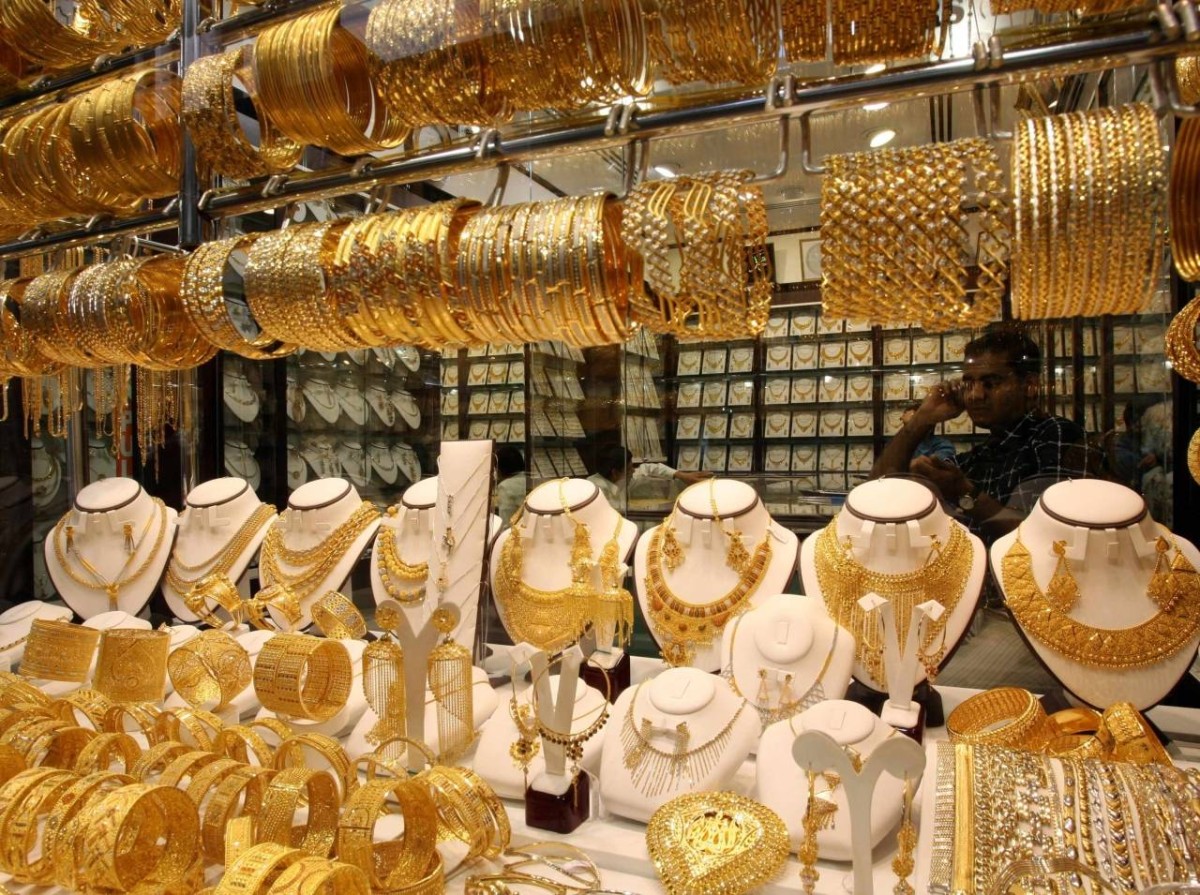
Instead of comforting me, the old coin I hid in the corner of my sock drawer due to lack of proper storage increased my anxiety. What if I lose it? What if I simply forget it in some mental fog? What if it gets stolen?
I was quite certain that no insurance company would accept a “sock drawer” as a safe place to store coins, and finding proper storage space for a single coin seemed a daunting task. More practically, I asked myself how I would divide one coin between my two daughters? Would I split it in half?
But this week, gold rose to new levels, with the spot price exceeding $4,000 per ounce for the first time, meaning it has risen more than 50% this year so far — far surpassing the 15% gains of the S&P 500 index.
Taking South Africa as an example, the Johannesburg Stock Exchange has been one of the best-performing markets globally this year. It rose by nearly 30% (double the S&P 500), largely driven by rising gold prices benefiting many listed companies. Platinum also played a role.
According to Lincoln, this demand was supported by “off-exchange” investors through strong-performing derivative structures and increased purchases of US gold futures.
Conversely, retail demand in China slowed significantly, which had played an important role in gold’s strong performance in the first half of the year, especially when gold initially reached $3,500 per ounce in April.
While proper gold storage is costly, unlike bonds, gold carries no credit risk, and unlike stocks, it does not depend on earnings or dividends. It simply exists and is highly valued precisely because it is outside the financial system. It is the ultimate safe haven and is highly liquid.
Profit-taking and price corrections may become more prominent in the gold market for the remainder of the year. Of course, while gold may shine, it yields nothing.
During calm periods, it may seem like a heavy burden, but with the erosion of real value of cash and bonds due to inflation and the ongoing threat of stock market volatility, gold’s role as a valuable diversification tool increases.
Gold is there to absorb shocks from sudden spikes in inflation expectations, market panic episodes, government policies that devalue currencies, or geopolitical tensions.
Impossible, I want to foster growth for my daughters at their young age rather than take a defensive stance. Nevertheless, I will allocate part of my pension to gold and ensure I keep it within the limits of a self-invested personal pension. Yes, I know I sold gold at the wrong time and probably bought it at the wrong time at the market peak.
But I really don’t care. With nerves increasingly tense about the upward market trajectory, escalating geopolitical tensions hour by hour, and the changing old rules of strategic asset allocation, a little respect for the yellow metal might be worthwhile.




Recommended for you
Talib Al-Rifai Chronicles Kuwaiti Art Heritage in "Doukhi.. Tasaseem Al-Saba"
Exhibition City Completes About 80% of Preparations for the Damascus International Fair Launch
Al-Jaghbeer: The Industrial Sector Leads Economic Growth
Unified Admission Applications Start Tuesday with 640 Students to be Accepted in Medicine
Egypt Post: We Have Over 10 Million Customers in Savings Accounts and Offer Daily, Monthly, and Annual Returns
His Highness Sheikh Isa bin Salman bin Hamad Al Khalifa Receives the United States Ambassador to the Kingdom of Bahrain