






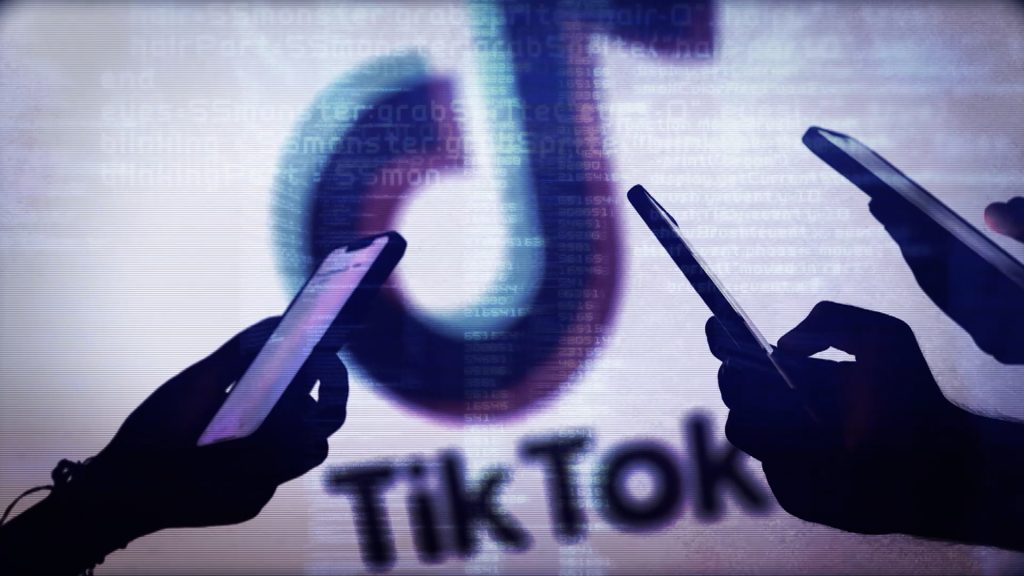
The world witnessed significant developments last week on two intersecting fronts concerning sovereignty and influence: the recognition of the Palestinian state and the US acquisition deal for the Chinese app TikTok.
In both scenarios, national security and strategic interests emerged as key drivers of events.
The program “Al-Marsad” followed these developments in its episode on 29/9/2025, highlighting the sharp media divide in covering the international recognition of Palestine and the geopolitical dimensions of the algorithm battle between Washington and Beijing.
The episode revealed how media narratives are shaped by political orientations rather than necessarily by facts on the ground.
The recognition of the Palestinian state came after more than seven decades of waiting, with an overwhelming majority of countries announcing their official stance at a high-level international conference within the UN General Assembly.
The Saudi-French initiative leading this effort resulted in over three-quarters of UN member states joining the list of recognizers, including the UK, France, Belgium, and dozens of European and Asian countries.
The most telling scene of Israel’s isolation came four days after the recognitions, when Israeli Prime Minister Benjamin Netanyahu arrived at the same hall to deliver his speech.
Upon his entrance, most international delegations withdrew in protest against the Gaza genocide and refusal to sit with a person wanted before the International Criminal Court.
Netanyahu found himself speaking to a nearly empty hall, applauded only by the Israeli delegation enthusiastically and the American delegation with clear hesitation.
The episode covered the sharp media divide in covering this historic event, with right-wing Western media backing Netanyahu and describing the recognitions as a “reward for terrorism,” while liberal media spoke of unprecedented Israeli isolation since the state’s establishment in 1948.
This divide extended to French media, which witnessed wide controversy over raising the Palestinian flag in municipalities and institutions.
Former US President Donald Trump opposed the wave of recognitions, describing them as encouragement for ongoing conflict and a reward to Hamas for what he called atrocities, reflecting steadfast US support for Israel despite growing international isolation.
American TikTok
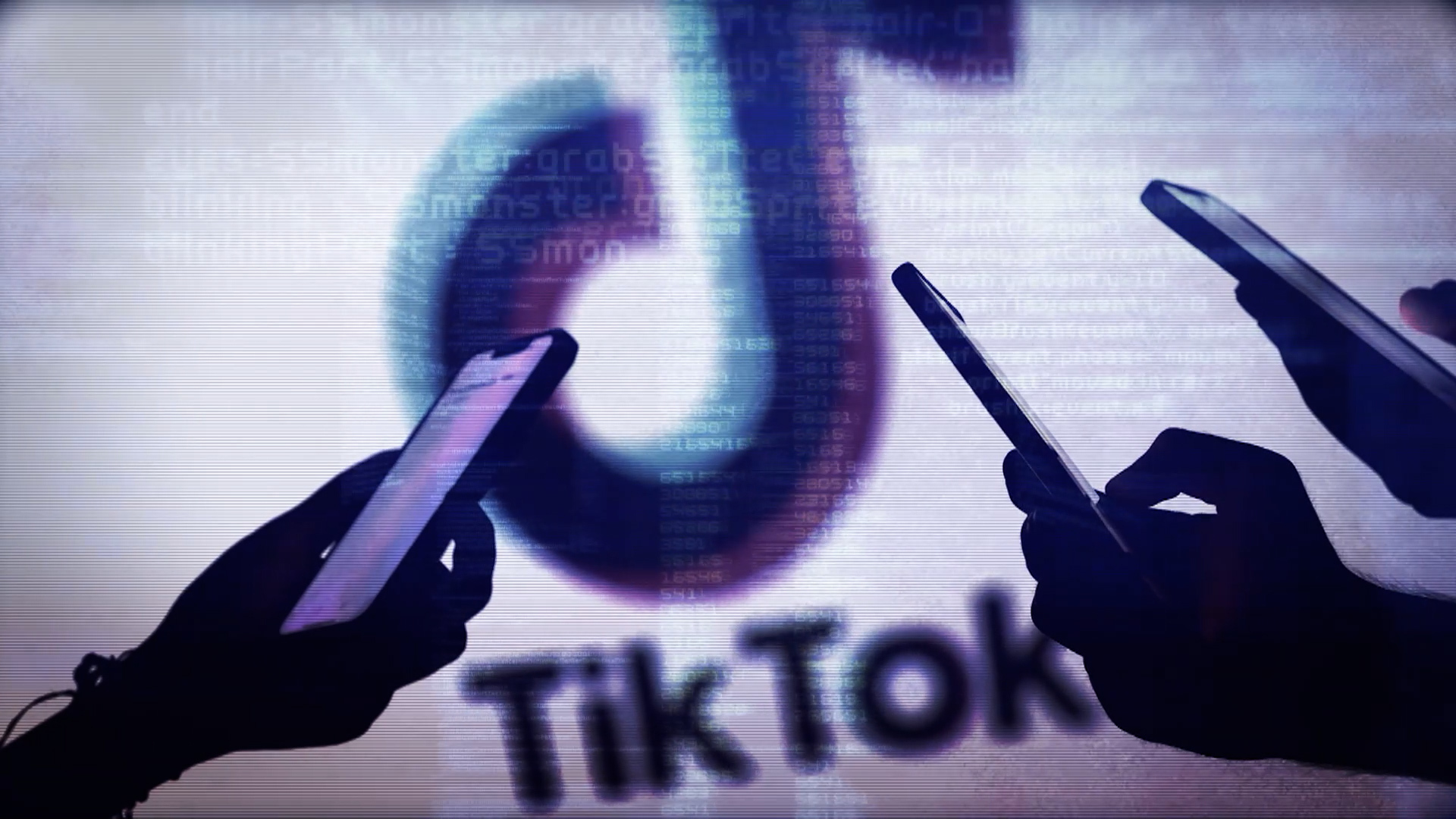
On the technological front, Trump signed an executive order regarding a US acquisition deal of TikTok’s operations in the United States valued at $14 billion, ending a long battle over the app which has over 170 million American users.
The deal aims to protect users’ personal data and prevent access by the Chinese government, within a broader struggle for digital influence between the world’s two largest economies.
This deal comes after months of trade escalation between Washington and Beijing, with reciprocal tariffs reaching 125% on goods.
Chinese company ByteDance will retain ownership of the app’s core algorithms, reflecting a fragile balance between economic and security interests.
“Al-Marsad” concluded that the TikTok deal is just a stage in a longer race extending deep into the digital space, where trade, technology, and national security intersect in a conflict that will shape the future of the global order.


Recommended for you
Talib Al-Rifai Chronicles Kuwaiti Art Heritage in "Doukhi.. Tasaseem Al-Saba"
Exhibition City Completes About 80% of Preparations for the Damascus International Fair Launch
Al-Jaghbeer: The Industrial Sector Leads Economic Growth
Unified Admission Applications Start Tuesday with 640 Students to be Accepted in Medicine
Egypt Post: We Have Over 10 Million Customers in Savings Accounts and Offer Daily, Monthly, and Annual Returns
His Highness Sheikh Isa bin Salman bin Hamad Al Khalifa Receives the United States Ambassador to the Kingdom of Bahrain