







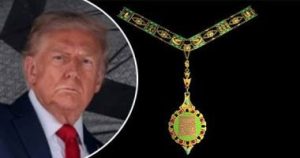


This decree comes after the announcement of election results that selected 200 elected members, paving the way for the inaugural session of the Senate in the coming days, a step that strengthens political and consultative representation mechanisms in the country.
The decree includes prominent figures from diverse backgrounds including experts in economic, legal, and cultural fields alongside representatives of various social and professional groups, with legal controls ensuring party balance and female representation of no less than 10% of total seats.
The appointed members list includes Osama Kamal, former Minister of Petroleum; Dr. Shawki Allam, former Grand Mufti of Egypt; Mohamed El-Orabi, former Minister of Foreign Affairs; Ambassador Hamad Loza, former Assistant Minister of Foreign Affairs; former Muslim Brotherhood leader Tharwat Al-Kharbawi; and Sahar Nasr, former Minister of Investment and International Cooperation.
The Egyptian president’s decree was published in the official gazette, where appointed members have equal rights and duties as elected members, according to Article 29 of the amended Senate Law No. 141 of 2020.
The Senate, re-established by the 2019 constitutional amendments, is the upper house of the Egyptian parliament and forms an essential part of the legislative system ensuring comprehensive representation of the Egyptian people.
The council consists of 300 members, two-thirds (200 members) elected by direct secret general ballot in two rounds, while the president appoints the remaining third (100 members) to enhance specialized expertise and broad representation of non-traditional political groups.
The Senate elections for the second legislative term (2025-2030) began last July, resulting in the victory of lists and independent candidates, focusing on geographic and professional representation, according to the law which sets candidacy conditions such as age (not less than 35 years) and full Egyptian nationality.
The appointment mechanism is defined by Article 28 of the law which imposes a precise timeline: the decree must be issued after announcing the final election results (which ended on September 4, 2025) and before the start of the second legislative session in early October.
The law also requires strict controls, including meeting the same candidacy conditions, not appointing those who ran and lost in the same legislative term, ensuring balance between parties and lists with at least 10% reserved for women, and prohibiting appointment of members in other bodies conflicting with membership, such as ministers or heads of regulatory authorities.


Recommended for you
Al-Jaghbeer: The Industrial Sector Leads Economic Growth
Talib Al-Rifai Chronicles Kuwaiti Art Heritage in "Doukhi.. Tasaseem Al-Saba"
Exhibition City Completes About 80% of Preparations for the Damascus International Fair Launch
Unified Admission Applications Start Tuesday with 640 Students to be Accepted in Medicine
Egypt Post: We Have Over 10 Million Customers in Savings Accounts and Offer Daily, Monthly, and Annual Returns
His Highness Sheikh Isa bin Salman bin Hamad Al Khalifa Receives the United States Ambassador to the Kingdom of Bahrain