





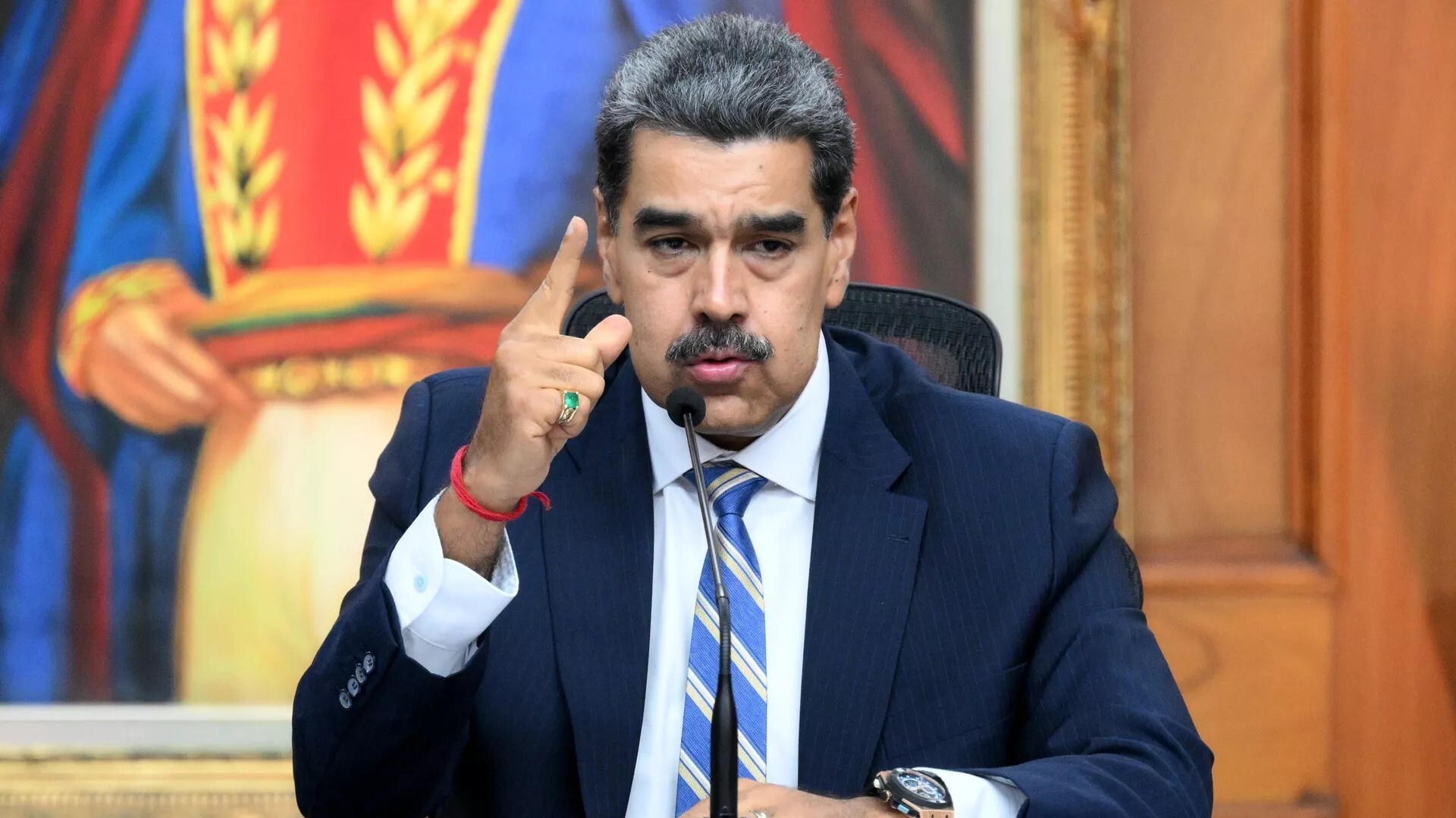
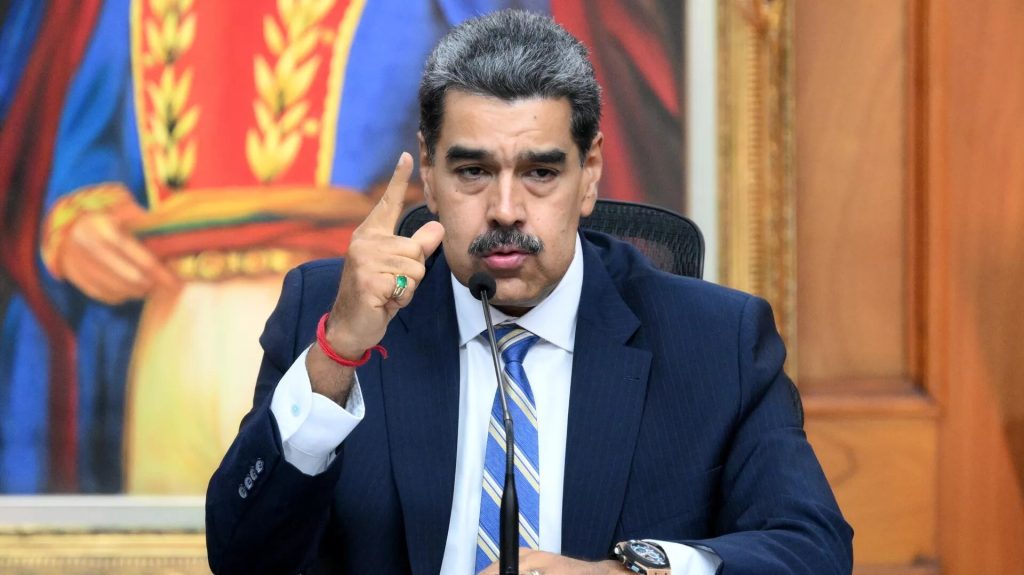
During a meeting of the “National Council for the Defense of Sovereignty and Peace” with diplomatic corps members in Caracas, Rodriguez stated on Venezuelan state television: “The decree concerning the declaration of a state of emergency aims to defend the integrity of our republic’s territory, sovereignty, independence, and vital strategic interests.”
She explained that the decree will take effect immediately if “the US armed forces dare to launch aggression against Venezuela,” noting that the document grants the president extraordinary powers—according to the constitution—to mobilize the Bolivarian National Armed Forces across the country and impose military control over infrastructure, public services, and sectors such as oil, gas, and other industries.
Emergency plans include protecting the population, calling up popular defense and reserve forces, and securing land, sea, and air borders.
Rodriguez accused the United States of “seeking to seize Venezuela’s natural resources, especially its vast oil reserves,” adding: “The US imposes unilateral coercive measures on major oil-producing countries, but Venezuela has shown strength and cohesion to defend the nation, face pressures, and maintain sovereignty.”
Last week, the US administration rejected a letter from President Maduro to his counterpart Donald Trump, inviting talks to ease tensions between the two countries.
In the letter, Maduro denied Washington’s allegations that his country plays a key role in drug trafficking. He explained that only five percent of drugs produced in Colombia are trafficked through Venezuela, and Venezuelan authorities have thwarted and destroyed 70 percent of them.
In response, White House spokeswoman Caroline Leavitt said Maduro’s letter to Washington “contains many lies,” affirming that the Trump administration’s stance on Venezuela “has not changed” and that the US still considers Maduro’s government “illegitimate.”
Previously, Leavitt said Trump “is prepared to use all elements of US power” to combat drug trafficking in the region and did not rule out the possibility of “carrying out a military operation against Venezuela if necessary.”
This statement came after the US sent warships, including a missile cruiser and an attack nuclear submarine, to the Bolivarian Republic’s coasts.
Caracas described these moves as provocations and attempts to destabilize the region, violating international agreements on the demilitarized and nuclear-free status of the Caribbean region.
Maduro condemned what he called an “imperialist plan to change the regime and steal the country’s oil,” while his defense minister described the situation as an “undeclared war.”
Recommended for you
Talib Al-Rifai Chronicles Kuwaiti Art Heritage in "Doukhi.. Tasaseem Al-Saba"
Exhibition City Completes About 80% of Preparations for the Damascus International Fair Launch
Al-Jaghbeer: The Industrial Sector Leads Economic Growth
Unified Admission Applications Start Tuesday with 640 Students to be Accepted in Medicine
Egypt Post: We Have Over 10 Million Customers in Savings Accounts and Offer Daily, Monthly, and Annual Returns
His Highness Sheikh Isa bin Salman bin Hamad Al Khalifa Receives the United States Ambassador to the Kingdom of Bahrain