







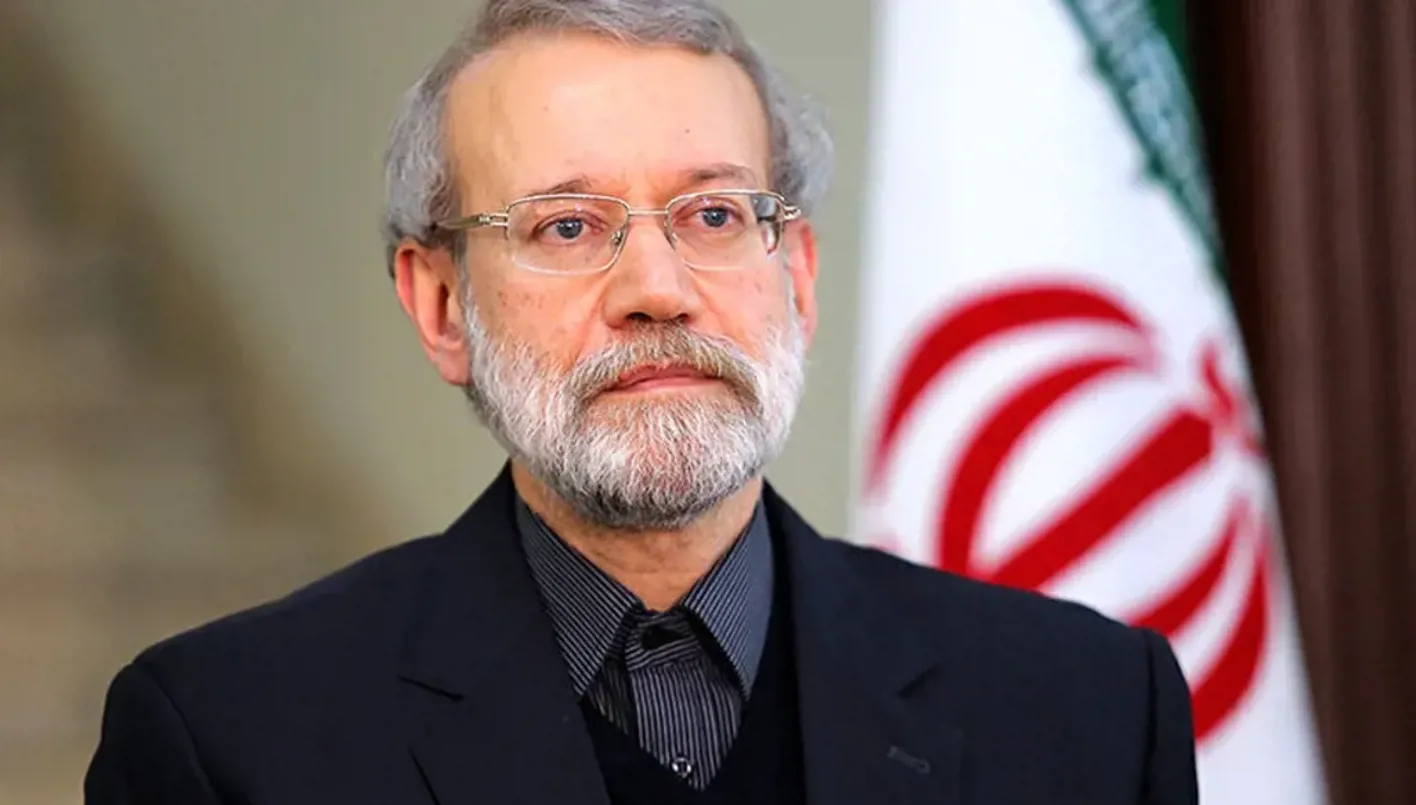
Ali Larijani’s visit to Beirut did not come out of nowhere but at a charged regional and international moment. While the world is preoccupied with the fate of nuclear negotiations with Tehran, the Iranian leadership chose to send a direct message: anyone who imagines that Iran would compromise its influence in Lebanon as it does on a technical file is mistaken.
Larijani is not just a former official or a passing envoy; he carries a clear message from Khamenei himself: Hezbollah’s weapons are a red line. Militias, in Tehran’s view, are not a secondary card but a strategic extension of the nuclear project, and abandoning them equals abandoning the centrifuges in Natanz.
Practically, the visit served as a new “loyalty certificate” to Hezbollah. It is a clear reassurance that financial, military, and political support continues, and that Iran will not relinquish its strongest arm in the Levant. For Tehran, any retreat on the Dahieh front equals a loss in the negotiating field with the West.
Larijani addressed not only Beirut but also Washington, Paris, and Brussels. The equation he presented is clear: whoever wants an understanding with Iran on the nuclear issue must coexist with Hezbollah and its other arms. It is a new form of blackmail: enriched uranium in exchange for Dahieh’s missiles.
Inside Lebanon, the visit deepened divisions. Pro-Tehran forces saw it as support for allies, while many Lebanese viewed it as further evidence that their country is managed as an appendage of the Wilayat al-Faqih project. For them, Hezbollah’s weapons are the primary obstacle to establishing a sovereign and independent state.
Strategic implications: Iran unites its nuclear program and militias and refuses to separate them. Hezbollah is a negotiating tool no less important than centrifuges. Lebanon’s future is decided in Tehran, not Beirut.
Faced with these facts, Lebanese and Arabs stand before a crucial choice: break the “resistance” narrative and expose Hezbollah as an Iranian militia; build a cross-sectarian national front prioritizing sovereignty and disarmament; mobilize Arab and international public opinion to reject turning Lebanon into a bargaining chip; support democratic and sovereign alternatives enabling Lebanese to determine their destiny.
Larijani’s visit did not change the equation but solidified it: no concessions on the nuclear file nor on militias. However, national forces and free peoples are more than ever called upon to raise their voices: Lebanon is not an Iranian province, and the future cannot be written with the ink of the Revolutionary Guard.
The approach presented in this article does not necessarily reflect the opinion of the “An-Nahar” media group.


Recommended for you
Talib Al-Rifai Chronicles Kuwaiti Art Heritage in "Doukhi.. Tasaseem Al-Saba"
Exhibition City Completes About 80% of Preparations for the Damascus International Fair Launch
Al-Jaghbeer: The Industrial Sector Leads Economic Growth
Unified Admission Applications Start Tuesday with 640 Students to be Accepted in Medicine
Egypt Post: We Have Over 10 Million Customers in Savings Accounts and Offer Daily, Monthly, and Annual Returns
His Highness Sheikh Isa bin Salman bin Hamad Al Khalifa Receives the United States Ambassador to the Kingdom of Bahrain