








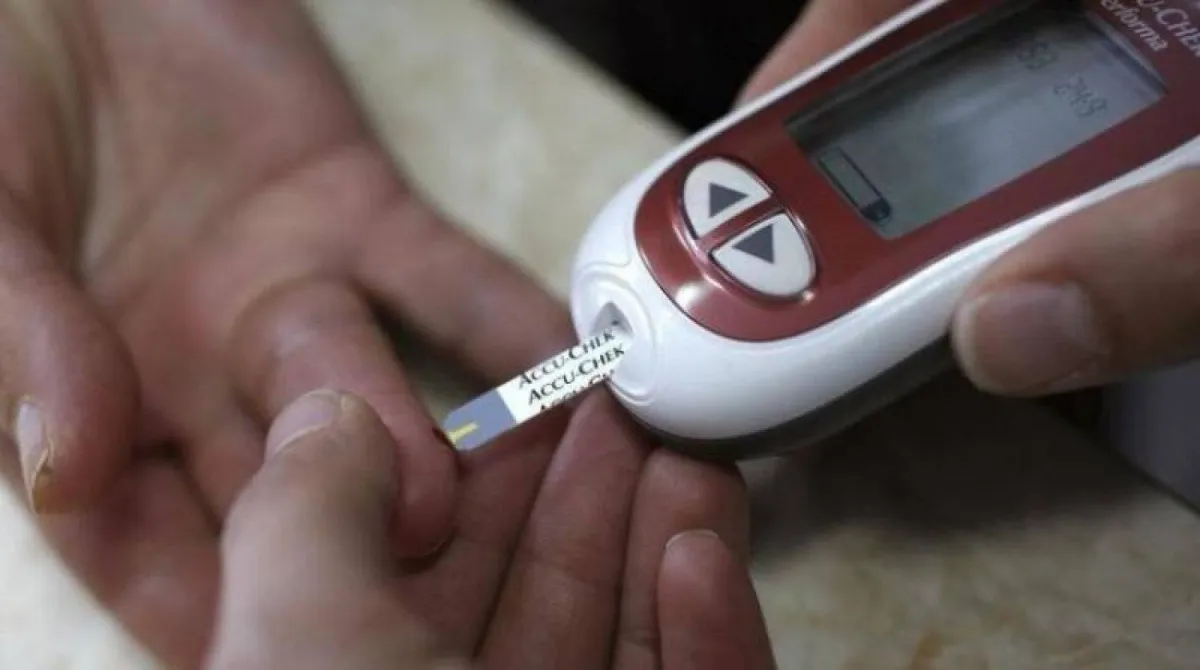
According to the ScienceAlert website, a patient with type 1 diabetes has, for the first time worldwide, begun producing insulin on his own after receiving a pancreatic cell transplant from a healthy donor. The transplanted cells were genetically modified to avoid immune rejection, eliminating the need for immunosuppressive drugs. The 42-year-old patient, who has had type 1 diabetes since age five, received the cells via a series of injections into the forearm muscle. Over the following 12 weeks the cells produced insulin in response to sudden blood sugar rises, such as after meals, and the patient did not require immunosuppressants. The technique had previously shown promising results in tests on monkeys and mice; researchers say the method could reduce the need for immunosuppression and might be applicable to other types of cell transplants.

Talib Al-Rifai Chronicles Kuwaiti Art Heritage in "Doukhi.. Tasaseem Al-Saba"
8 Aug, 2025
- 2 mins read




Recommended for you
Talib Al-Rifai Chronicles Kuwaiti Art Heritage in "Doukhi.. Tasaseem Al-Saba"
Exhibition City Completes About 80% of Preparations for the Damascus International Fair Launch
Al-Jaghbeer: The Industrial Sector Leads Economic Growth
Unified Admission Applications Start Tuesday with 640 Students to be Accepted in Medicine
Egypt Post: We Have Over 10 Million Customers in Savings Accounts and Offer Daily, Monthly, and Annual Returns
His Highness Sheikh Isa bin Salman bin Hamad Al Khalifa Receives the United States Ambassador to the Kingdom of Bahrain