








A Moroccan association has called on the Ministry of Health and Social Protection to provide essential diabetes supplies for diabetic children free of charge or at a symbolic cost.
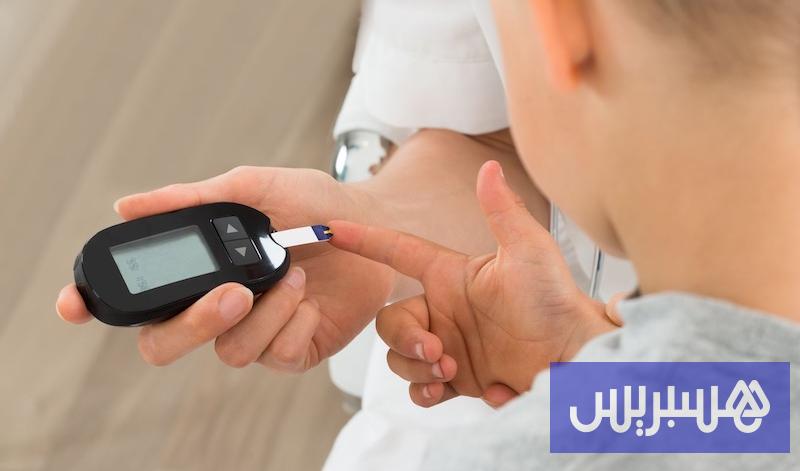
The appeal, made by the Sand Association for Diabetic Children in Meknes, highlighted that the most important supplies include “blood sugar test strips, insulin pens, and pain-free measuring devices.”
The source added that this call comes “due to the difficult social conditions faced by many families of diabetic children in our country, and the increasing financial strain caused by the high prices of diabetes supplies.”
The appeal continued: “These children require continuous medical care, monitoring, and ongoing psychological support, especially during adolescence; a burden beyond the means of many low-income families,” according to the statement.
It further stated: “Providing essential supplies for young diabetic patients is a right to life and health, not a privilege; a diabetic child cannot live without these supplies, and lacking them is the quickest path to deteriorating health.”
The Sand Association for Diabetic Children, active in the Ismailia capital Meknes, emphasized that supporting diabetic children today is “an investment in their future and in a united Morocco that excludes no one due to their health or financial status.”
The appeal also pointed out that “the Ministry of Health and Social Protection must prioritize this group within the state’s social priorities established by King Mohammed VI, under his directives aimed at achieving social justice and ensuring the dignity of Moroccan citizens wherever they are,” it said.
In a recent report by the association on the occasion of World Mental Health Day, it stated that “childhood diabetes is closely linked to mental health issues such as anxiety and depression, with about half of diabetic children suffering from psychological problems.”
According to the source, diabetes’ impact on children’s mental health includes feelings of frustration, isolation, social and family relationship problems, and difficulty adhering to treatment plans.
To address these issues, the association said, “it is important to support the child psychologically and medically through regular medical monitoring, communication with the school, and providing necessary psychological support from specialists to enhance their ability to live with the disease.”



Recommended for you
Talib Al-Rifai Chronicles Kuwaiti Art Heritage in "Doukhi.. Tasaseem Al-Saba"
Al-Jaghbeer: The Industrial Sector Leads Economic Growth
Exhibition City Completes About 80% of Preparations for the Damascus International Fair Launch
Unified Admission Applications Start Tuesday with 640 Students to be Accepted in Medicine
Egypt Post: We Have Over 10 Million Customers in Savings Accounts and Offer Daily, Monthly, and Annual Returns
His Highness Sheikh Isa bin Salman bin Hamad Al Khalifa Receives the United States Ambassador to the Kingdom of Bahrain