






Dr. Mohamed Farid, Chairman of the Financial Regulatory Authority, affirmed that non-banking financial services are a key driver supporting the national economy. He pointed out that the stock exchange, insurance activities, and non-banking finance provide diverse financing, investment, and insurance solutions to achieve the targets of economic and social development plans.
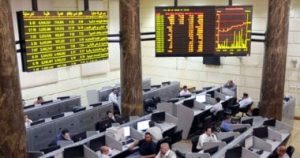
During a meeting with editors-in-chief, Farid added that the stock exchange is ready to receive new listings, noting a general upward trend in liquidity and trading. Additionally, all financing and investment activities are being regulated to protect the rights of participants, ensure market stability, and enhance risk management and measurement levels. He continued that investment management efficiency in private insurance funds has been improved, contributing to increased benefits for subscribers and pensioners. There has also been an exceptional development of Egyptian accounting standards to enhance transparency and properly present financial statements supporting investors’ decisions. Furthermore, an advertising campaign for insurance was launched as a start to change public perception and encourage citizens to insure, with further campaigns planned for the capital market and finance sectors.
Mohamed Farid noted that the “Basel 3” financial solvency standards strengthen the ability of non-banking finance companies to meet their obligations and improve risk management processes. Continuous regulatory efforts and ongoing monitoring are in place to combat financial fraud and shut down companies operating illegally without licenses. He highlighted that gold investment funds, an innovative legislation, have attracted more than 200,000 participants with net assets worth 2.7 billion Egyptian pounds.
The Chairman explained that regulating digital investment platforms in real estate fund documents provides easy and monitored solutions for investing in real estate shares. Additionally, the organized voluntary carbon market has given Egypt leadership both in Africa and globally, supporting Egypt’s efforts to reduce carbon emissions.
He revealed that more than 10 billion Egyptian pounds in sukuk issuances have been made to finance projects in various productive sectors, along with 431 billion Egyptian pounds in stock issuances. He emphasized that digital transformation and innovation are fundamental pillars to achieve financial, investment, and insurance inclusion.
He added that organizing and regulating consumer finance activities and financing for small, medium, and micro enterprises was necessary to integrate these activities into the formal economy.



Recommended for you
Talib Al-Rifai Chronicles Kuwaiti Art Heritage in "Doukhi.. Tasaseem Al-Saba"
Exhibition City Completes About 80% of Preparations for the Damascus International Fair Launch
Al-Jaghbeer: The Industrial Sector Leads Economic Growth
Unified Admission Applications Start Tuesday with 640 Students to be Accepted in Medicine
Egypt Post: We Have Over 10 Million Customers in Savings Accounts and Offer Daily, Monthly, and Annual Returns
His Highness Sheikh Isa bin Salman bin Hamad Al Khalifa Receives the United States Ambassador to the Kingdom of Bahrain