









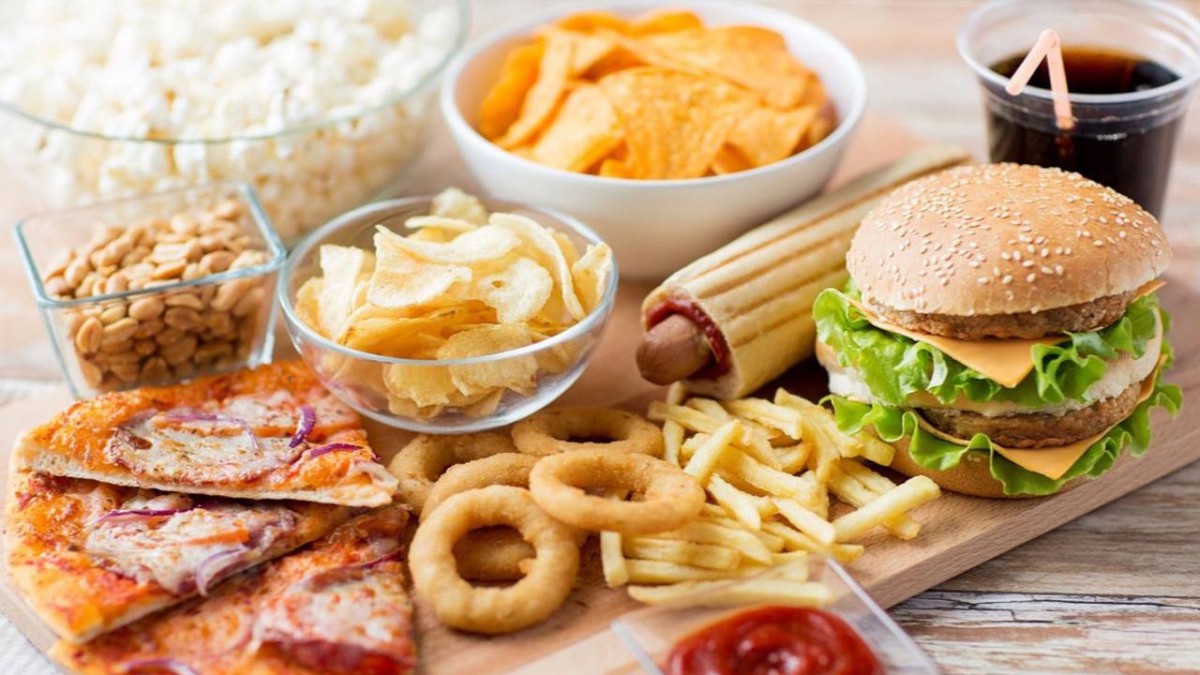

A new study conducted by researchers at the University of North Carolina School of Medicine, published in the journal Neuron, provides a unique insight into how fast food affects the brain’s memory center, increasing the risk of cognitive impairment. This new research opens the door to early interventions that can prevent long-term memory loss associated with obesity.
The researchers, led by Dr. Juan Song, principal investigator and professor of pharmacology at the University of North Carolina School of Medicine, and Dr. Taylor Landry, lead researcher in the pharmacology department, found that a special group of brain cells in the hippocampus, called CCK interneurons, become hyperactive after a high-fat diet due to the brain’s impaired ability to process glucose (sugar). This hyperactivity disrupts the hippocampus’s memory processing mechanism, even after just a few days on a high-fat diet, according to Science Daily.




Recommended for you
Talib Al-Rifai Chronicles Kuwaiti Art Heritage in "Doukhi.. Tasaseem Al-Saba"
Exhibition City Completes About 80% of Preparations for the Damascus International Fair Launch
Al-Jaghbeer: The Industrial Sector Leads Economic Growth
Unified Admission Applications Start Tuesday with 640 Students to be Accepted in Medicine
Egypt Post: We Have Over 10 Million Customers in Savings Accounts and Offer Daily, Monthly, and Annual Returns
His Highness Sheikh Isa bin Salman bin Hamad Al Khalifa Receives the United States Ambassador to the Kingdom of Bahrain