







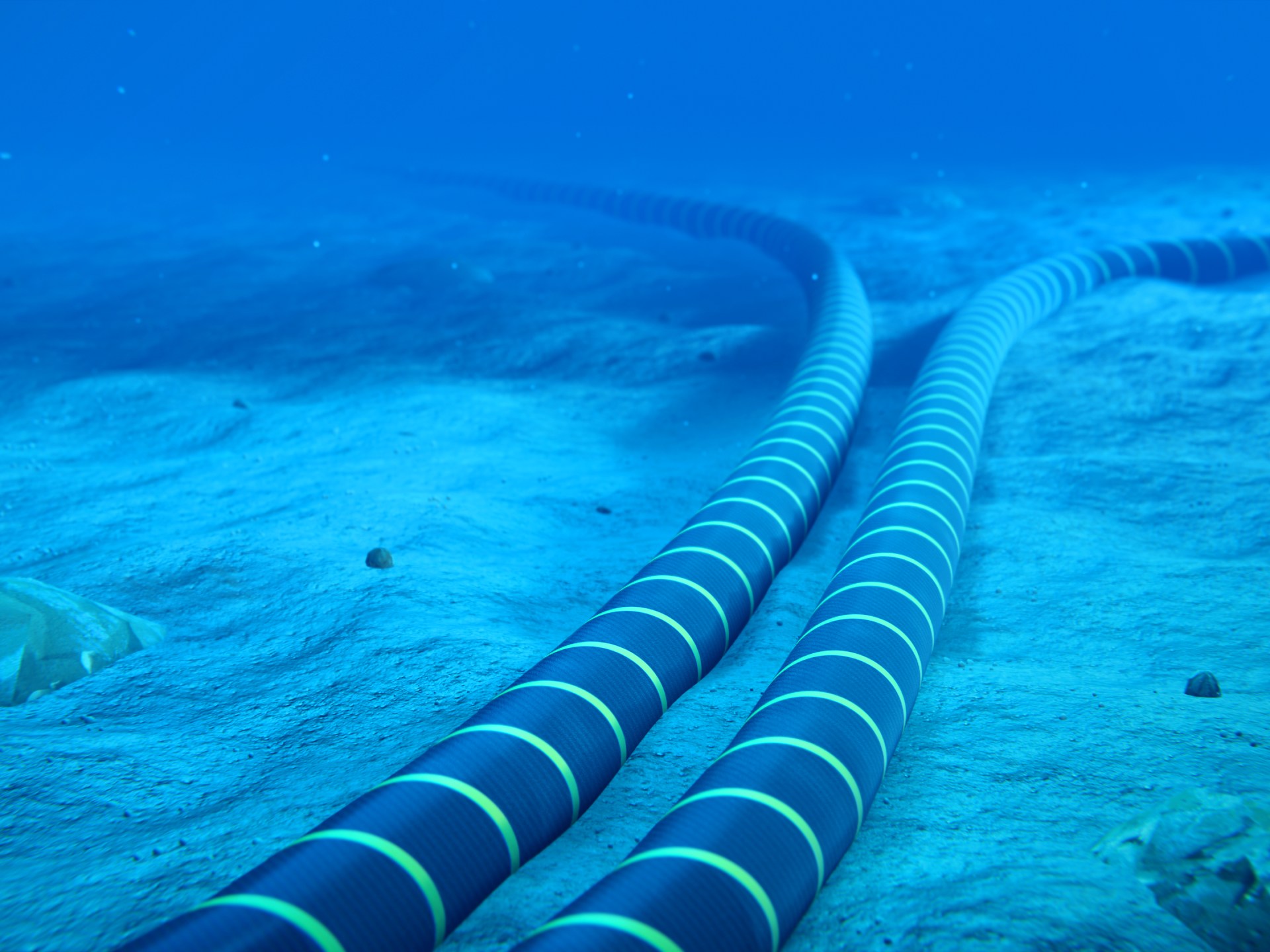
Le président chypriote Nikos Christodoulides et le Bureau du procureur européen ont déclaré mercredi que des procureurs européens enquêtent sur de possibles infractions pénales liées à un projet financé par l’UE visant à poser un câble électrique sous-marin reliant l’Europe à la Méditerranée orientale.
Le président chypriote a indiqué aux journalistes qu’il avait été informé que le Bureau du procureur européen avait ouvert une enquête sur de potentielles infractions pénales concernant le projet, financé par l’UE à hauteur de 1,9 milliard d’euros (2,12 milliards de dollars).
Le Bureau du procureur a confirmé l’ouverture de l’enquête, mais a refusé de fournir plus de détails pour l’instant « afin de ne pas compromettre les résultats de l’enquête ».
Par ailleurs, le commissaire européen au budget et à la lutte contre la fraude à Chypre, Piotr Serafin, s’est abstenu de tout commentaire jeudi, soulignant l’indépendance du Bureau du procureur européen. Il a déclaré ne pas être au courant de préoccupations exprimées par le bureau concernant le projet.
Un porte-parole du gouvernement grec, qui soutient activement le projet, a déclaré que son pays n’avait reçu aucun briefing concernant une enquête.
La société grecque « IPTO », opérateur du réseau électrique grec (Opérateur indépendant du transport d’électricité), construit le grand câble sous-marin pour relier les réseaux de transport d’électricité européens et chypriotes, s’étendant ensuite jusqu’en Israël. La société grecque a pris la gestion du projet en 2023, succédant à un chef de projet basé à Chypre.
Le projet a connu plusieurs retards, Nicosie cherchant des clarifications sur son coût, sa viabilité et ses engagements. La Grèce a réaffirmé son engagement envers le projet en mars dernier, après des rapports faisant état d’un arrêt en raison de préoccupations financières et géopolitiques.
Les promoteurs affirment que le projet sera le plus long câble haute tension au monde, avec 1240 kilomètres, ainsi que le câble le plus profond au monde à une profondeur de 3000 mètres.


Recommended for you
طالب الرفاعى يؤرخ لتراث الفن الكويتى فى "دوخى.. تقاسيم الصَبا"
مدينة المعارض تنجز نحو 80% من استعداداتها لانطلاق معرض دمشق الدولي
تقديم طلبات القبول الموحد الثلاثاء و640 طالبا سيتم قبولهم في الطب
الجغبير: القطاع الصناعي يقود النمو الاقتصادي
البريد المصري: لدينا أكثر من 10 ملايين عميل في حساب التوفير.. ونوفر عوائد يومية وشهرية وسنوية
سمو الشيخ عيسى بن سلمان بن حمد آل خليفة يستقبل سفير الولايات المتحدة الأمريكية لدى مملكة البحرين