








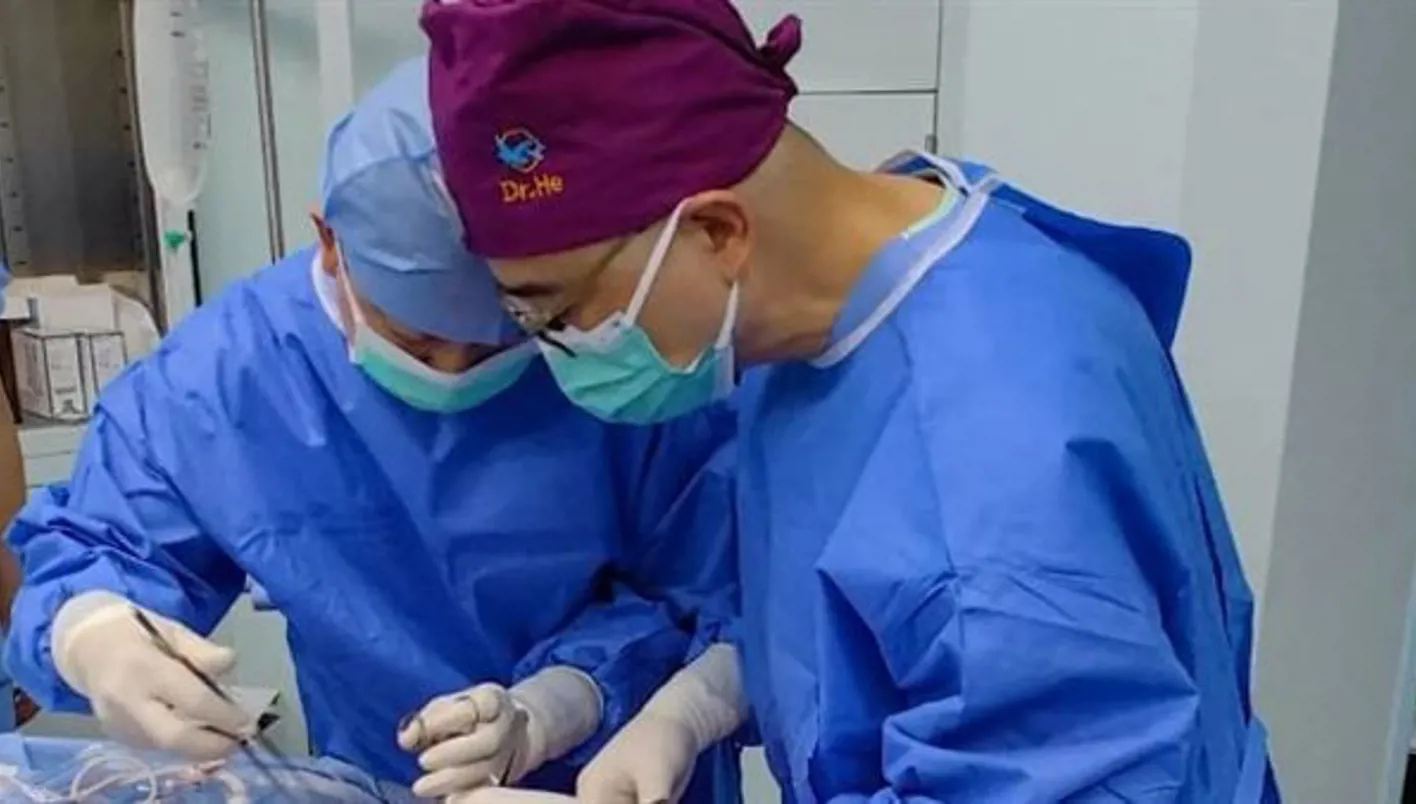
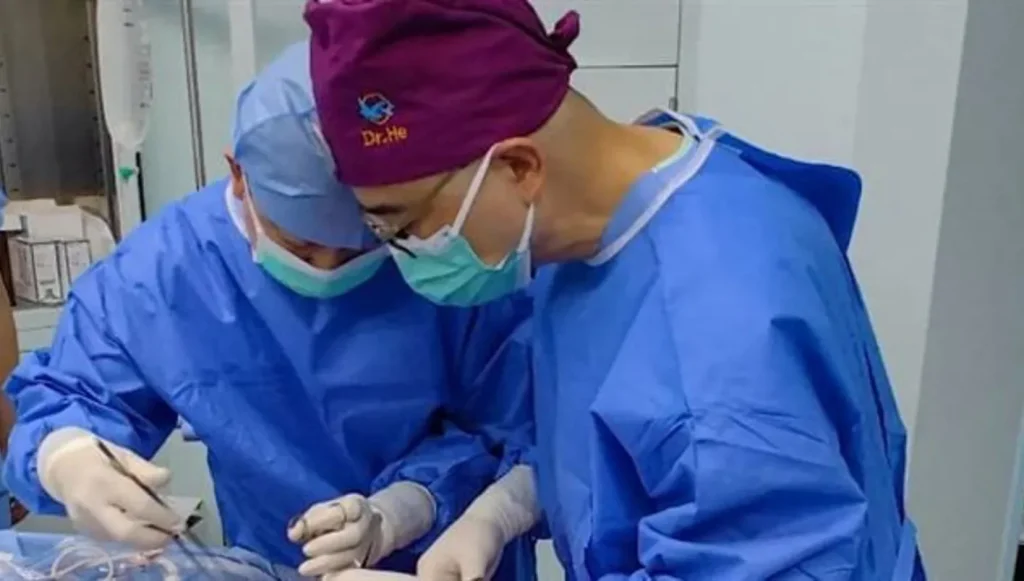
A research team from Guangzhou Medical University in China achieved an unprecedented scientific breakthrough by transplanting a genetically modified pig lung into the body of a brain-dead human. According to a study published in Nature Medicine, the transplanted lung functioned for nine full days (216 hours) without immediate immune rejection, a milestone considered a “revolutionary step” in organ transplantation. The success is attributed to genetic modifications made to the pig to reduce immune rejection risks. Previous attempts with pig hearts and kidneys did not yield similar results for lungs, which are more sensitive due to direct exposure to external air. Despite the optimism, scientists emphasize that significant medical challenges remain before clinical trials on living patients can proceed, including managing high blood flow and long-term immune rejection risks. This advancement could open new horizons in addressing the global shortage of human organs if future research overcomes remaining obstacles.

Talib Al-Rifai Chronicles Kuwaiti Art Heritage in "Doukhi.. Tasaseem Al-Saba"
8 Aug, 2025
- 2 mins read




Recommended for you
Talib Al-Rifai Chronicles Kuwaiti Art Heritage in "Doukhi.. Tasaseem Al-Saba"
Exhibition City Completes About 80% of Preparations for the Damascus International Fair Launch
Unified Admission Applications Start Tuesday with 640 Students to be Accepted in Medicine
Al-Jaghbeer: The Industrial Sector Leads Economic Growth
Egypt Post: We Have Over 10 Million Customers in Savings Accounts and Offer Daily, Monthly, and Annual Returns
His Highness Sheikh Isa bin Salman bin Hamad Al Khalifa Receives the United States Ambassador to the Kingdom of Bahrain