








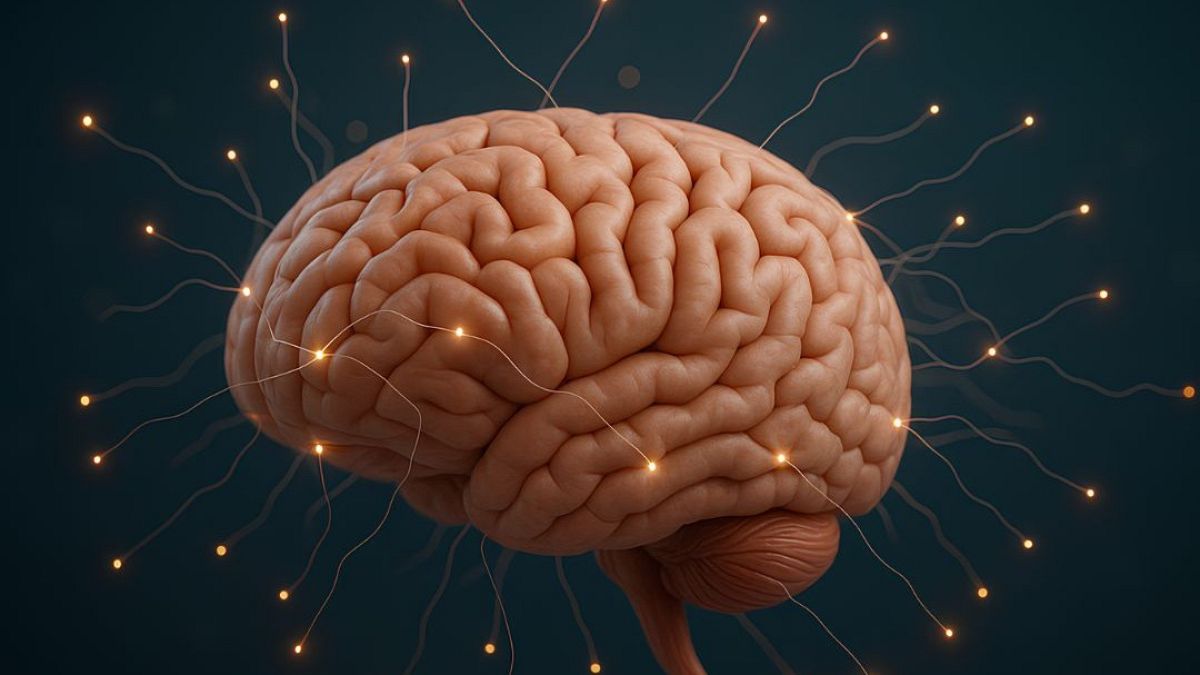
In the race to find innovative solutions to combat the most dangerous neurological diseases, a natural compound found in the brain emerges as a new beacon of hope that could change the course of stroke treatment.
A recent study published in the journal Science Advances, conducted by researchers from the Biophysics Institute of HUN-REN BRC and the Cardiovascular Center at Semmelweis University, indicated that DMT can reduce damage caused by stroke, both in cell cultures and animal models.
“A Natural Solution” Under the Spotlight
Besides being present in plants and animals, the human brain also produces this compound, which is currently undergoing clinical trials as a potential means to restore brain functions after stroke.
Until recently, the mechanism of DMT was not clearly understood. In this context, co-author Maria Deli from HUN-REN BRC said, “It is amazing how we can always turn to nature to find innovative solutions to health problems.”
Laboratory Results
First co-author Marcel Laszlo said that experiments on mice showed that DMT significantly reduced the size of brain damage.
Experiments on both animal models and cell cultures demonstrated that this compound rebuilt the structure and function of the damaged blood-brain barrier and improved the function of supportive astrocyte cells.
DMT also prevented the production of inflammatory cytokines in brain endothelial cells and peripheral immune cells, and reduced activation of microglial cells in the brain via Sigma-1 receptors.
New Therapeutic Horizons
First co-author Judit Fehér explained, “Current treatment options for stroke are very limited. The dual effect of DMT, protecting the blood-brain barrier while reducing brain inflammation, offers a new and complex approach that can complement existing therapies.”
Since current treatments do not guarantee full recovery, DMT-based therapy may represent a promising option, especially when combined with established methods. Recent results from researchers in the cities of Szeged and Budapest in Hungary support the development of a therapeutic approach that goes beyond traditional methods. Clinical trials on this compound continue alongside additional studies on its long-term effects.



Recommended for you
Talib Al-Rifai Chronicles Kuwaiti Art Heritage in "Doukhi.. Tasaseem Al-Saba"
Exhibition City Completes About 80% of Preparations for the Damascus International Fair Launch
Al-Jaghbeer: The Industrial Sector Leads Economic Growth
Unified Admission Applications Start Tuesday with 640 Students to be Accepted in Medicine
Egypt Post: We Have Over 10 Million Customers in Savings Accounts and Offer Daily, Monthly, and Annual Returns
His Highness Sheikh Isa bin Salman bin Hamad Al Khalifa Receives the United States Ambassador to the Kingdom of Bahrain