









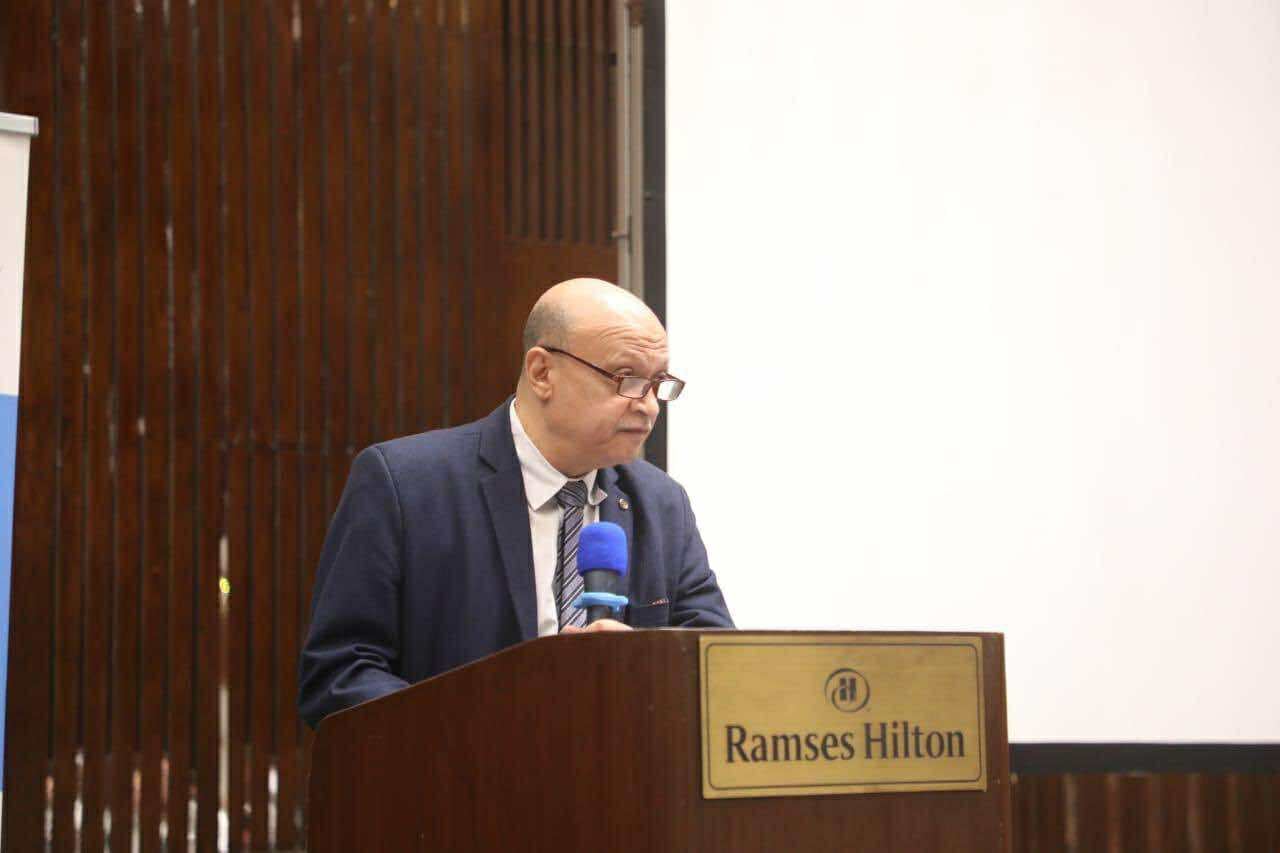
The Ministry of Health and Population organized an event to mark World Rabies Day, observed annually on September 28, as part of the state’s strategy to eliminate the disease by 2030.
The event was held under the “One Health” policies, in cooperation with the World Health Organization, the Food and Agriculture Organization of the United Nations (FAO), the General Authority for Veterinary Services at the Ministry of Agriculture, and several civil society organizations, aiming to enhance public health and protect citizens.
Dr. Hossam Abdel Ghaffar, the official spokesperson for the Ministry of Health and Population, explained that the Preventive Medicine and Public Health sector provides comprehensive preventive and therapeutic services through 340 rabies prevention centers nationwide, offering vaccinations, vaccines, and anti-rabies sera to about one million visitors annually.
Dr. Hesham Magdy, Head of the Central Administration for Public Health at the ministry, pointed out the launch of the automation and linking project for rabies prevention centers in March 2024. The first phase completed the automation of 13 governorates with a total of 139 centers, and the second phase is currently underway to automate 14 more governorates, bringing the total automated centers to 292 out of 340, with plans to complete automation nationwide by the end of 2025.
Dr. Baher El-Dosouky, Director General of the General Department for Infectious Disease Control, confirmed that in August 2025, the guidelines for rabies prevention were updated by a specialized scientific committee and the updated version was distributed to all centers for implementation.
In his speech, Dr. Omar Abu El-Atta, Emergency Team Manager at the WHO office in Egypt, praised Egypt’s achievements in controlling the disease thanks to close cooperation between the Ministries of Health, Agriculture, Environment, and Local Development, alongside international partners.
He noted that youth and community participation represent a driving force to continue progress toward the goal of eliminating rabies, mentioning the launch of the digital system for rabies case surveillance and plans to expand it to all governorates.
Dr. Nora Ali, FAO representative, stated that the celebration of World Rabies Day coincides with the anniversary of the death of scientist Louis Pasteur, who developed the first rabies vaccine. She emphasized FAO’s commitment to supporting national awareness efforts as a fundamental pillar in rabies elimination, in cooperation with WHO and other partners within the One Health framework.
Similarly, Dr. Hamed El-Aqnass, Chairman of the General Authority for Veterinary Services, said that the Ministry of Agriculture, represented by the Authority, celebrates World Rabies Day within the One Health approach by enhancing cooperation with relevant ministries, international organizations, civil society, and the private sector.
He explained that Egypt’s strategy aims to eliminate the disease by 2030, not to eliminate stray dogs, through integrated programs including vaccination, awareness, and surveillance, aligning with the state’s vision to protect both human and animal health.




Recommended for you
Talib Al-Rifai Chronicles Kuwaiti Art Heritage in "Doukhi.. Tasaseem Al-Saba"
Exhibition City Completes About 80% of Preparations for the Damascus International Fair Launch
Al-Jaghbeer: The Industrial Sector Leads Economic Growth
Unified Admission Applications Start Tuesday with 640 Students to be Accepted in Medicine
Egypt Post: We Have Over 10 Million Customers in Savings Accounts and Offer Daily, Monthly, and Annual Returns
His Highness Sheikh Isa bin Salman bin Hamad Al Khalifa Receives the United States Ambassador to the Kingdom of Bahrain