









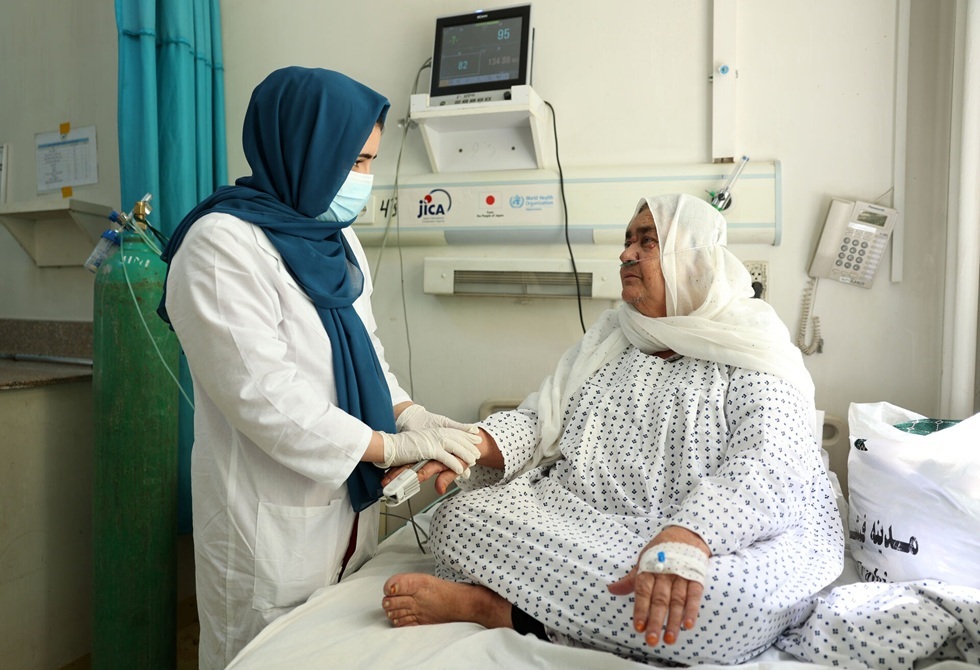
A new report from the World Health Organization revealed that in 2023, one in every six people was infected with antibiotic-resistant bacterial infections.
The report warned of a rise in bacterial resistance to antibiotics by more than 40% among monitored bacteria and antibiotics groups between 2018 and 2023, with an average annual increase ranging from 5% to 15%.
Data from over 100 countries indicated that increasing resistance to essential antibiotics poses a growing threat to global health.
The 2025 report, published for the first time, estimated resistance to 22 antibiotics used to treat urinary tract infections, gastrointestinal infections, bloodstream infections, and gonorrhea. It focused on eight common bacteria causing these infections.
Estimates showed the highest antibiotic resistance rates in the Southeast Asia and Eastern Mediterranean regions, where resistance to one antibiotic was reported in one out of every three infections. In the African region, resistance to one antibiotic was reported in one out of every five infections. Resistance is more widespread in areas lacking healthcare systems with diagnostic and treatment capabilities.
The report highlighted the increasing danger of drug-resistant Gram-negative bacteria, such as Escherichia coli and Klebsiella pneumoniae, which cause serious bloodstream infections. Data showed that over 40% of Escherichia coli and 55% of Klebsiella pneumoniae resist third-generation cephalosporins (the first-line treatment), with this rate exceeding 70% in the African region.
The report noted that essential and life-saving antibiotics, such as carbapenems and fluoroquinolones, are losing effectiveness against common bacteria. Carbapenem resistance, once rare, has become more frequent, limiting treatment options and forcing patients to use last-resort antibiotics that are expensive and hard to obtain.
Despite increased country participation in the global antimicrobial resistance surveillance system from 25 countries in 2016 to 104 countries in 2023, about half of countries do not provide data, and many lack systems to generate reliable data.
Dr. Tedros Adhanom Ghebreyesus, WHO Director-General, called for responsible antibiotic use and ensuring access to medicines, diagnostics, and vaccines for all. He emphasized that the future depends on strengthening prevention, diagnosis, treatment systems, and innovation in antibiotics and testing.
The report urged countries to commit to strengthening their laboratory systems, generating reliable surveillance data, and providing the global system with high-quality data on resistance and antibiotic use by 2030. It also called for expanding coordinated interventions to combat antimicrobial resistance across all levels of healthcare.
Source: World Health Organization




Recommended for you
Talib Al-Rifai Chronicles Kuwaiti Art Heritage in "Doukhi.. Tasaseem Al-Saba"
Exhibition City Completes About 80% of Preparations for the Damascus International Fair Launch
Al-Jaghbeer: The Industrial Sector Leads Economic Growth
Unified Admission Applications Start Tuesday with 640 Students to be Accepted in Medicine
Egypt Post: We Have Over 10 Million Customers in Savings Accounts and Offer Daily, Monthly, and Annual Returns
His Highness Sheikh Isa bin Salman bin Hamad Al Khalifa Receives the United States Ambassador to the Kingdom of Bahrain