








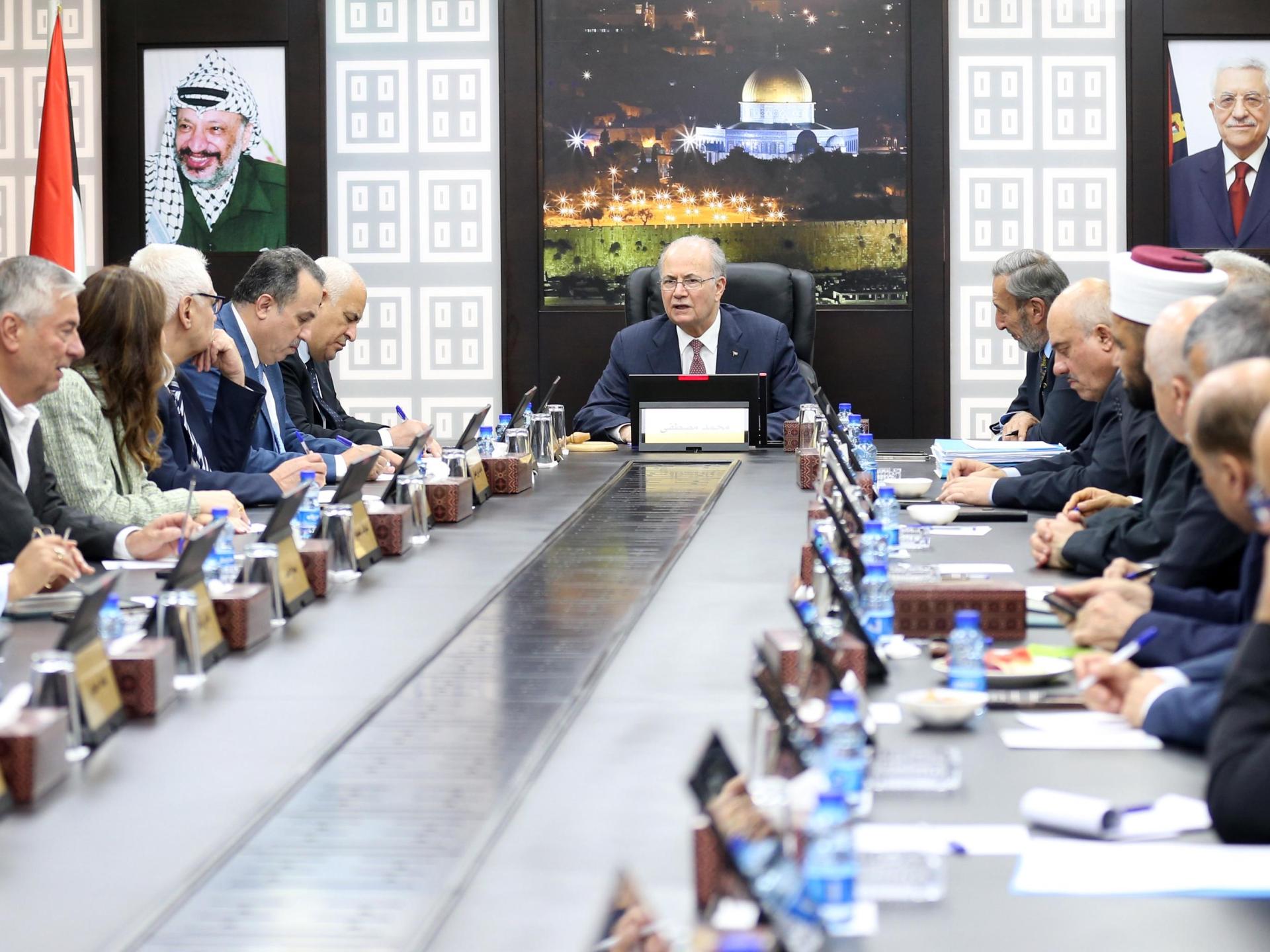
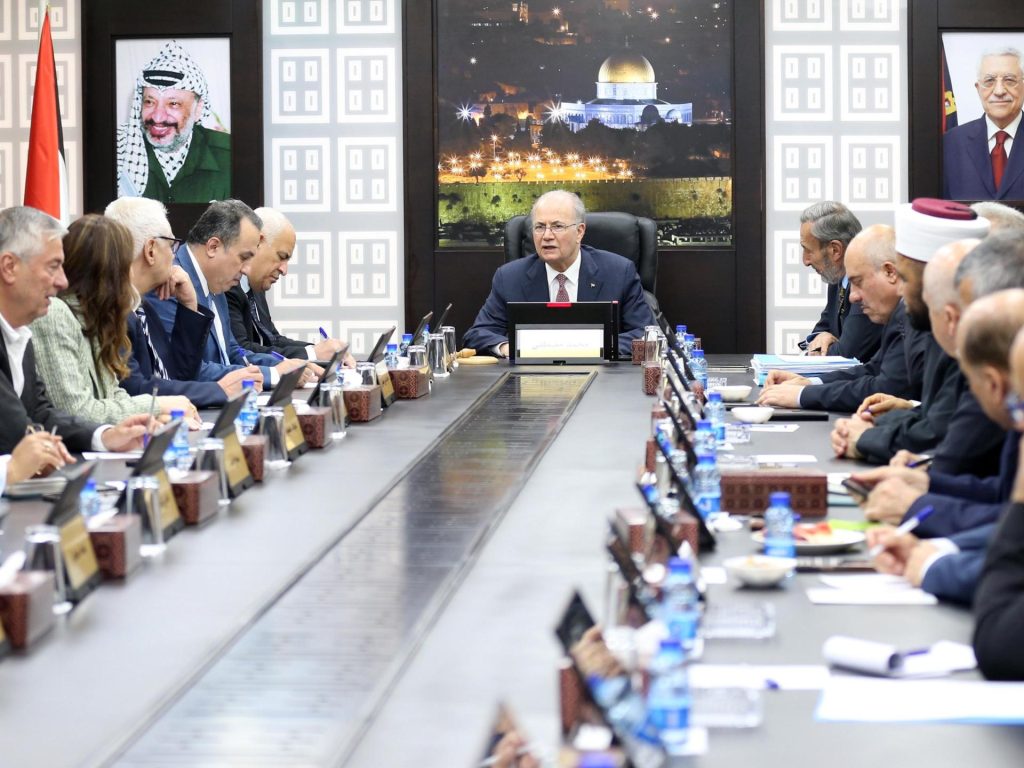
Palestinian officials say the Palestinian Authority (PA) expects to have a significant role in Gaza in the post-war phase, despite being sidelined by President Donald Trump’s current plan, relying on Arab support to secure its position despite Israeli objections.
Focus has shifted to Gaza’s future governance with a ceasefire scheduled to begin Thursday, marking the first step in Trump’s attempt to end the two-year-long conflict. The next phase of the agreement must address thorny issues, including demands to disarm Hamas and end its rule in the Palestinian territory.
Hamas has controlled Gaza since 2007. Trump’s proposal stipulates that after the war, Gaza would be managed by a committee of Palestinian technocrats under international supervision, requiring the PA to implement reforms before taking control.
While the PA welcomed Trump’s efforts, its officials have privately expressed disappointment. Palestinian President Mahmoud Abbas has already declared his commitment to combating corruption, holding elections, and other reforms demanded by Western countries.
Three senior Palestinian officials said they still expect the PA to be deeply involved in Gaza. Prime Minister Mohammad Mustafa told Reuters, “We are already there,” adding, “Having temporary international arrangements to assist and monitor things is one thing, but governance and getting things done is another.”
Abbas appointed Mustafa (71) last year as part of a PA restructuring after then-US President Joe Biden indicated he wanted to see a reformed Palestinian Authority take responsibility in Gaza post-war.
The three officials cited the PA’s international status as the representative body of Palestinians and the support of Arab countries seeking to reunify Gaza and the West Bank in an effort to preserve hopes for establishing a Palestinian state.
A spokesperson for Israeli Prime Minister Benjamin Netanyahu did not respond to a request for comment. The US State Department also did not respond to Reuters’ inquiries.



Recommended for you
Talib Al-Rifai Chronicles Kuwaiti Art Heritage in "Doukhi.. Tasaseem Al-Saba"
Exhibition City Completes About 80% of Preparations for the Damascus International Fair Launch
Al-Jaghbeer: The Industrial Sector Leads Economic Growth
Unified Admission Applications Start Tuesday with 640 Students to be Accepted in Medicine
Egypt Post: We Have Over 10 Million Customers in Savings Accounts and Offer Daily, Monthly, and Annual Returns
His Highness Sheikh Isa bin Salman bin Hamad Al Khalifa Receives the United States Ambassador to the Kingdom of Bahrain