






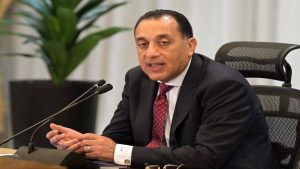


Le général de division Mohamed Ibrahim Al-Duwairi, ancien directeur adjoint du Service général du renseignement égyptien, a déclaré que l’affaire du soldat israélien Gilad Shalit a traversé trois phases sur environ cinq ans et demi. La première phase a commencé immédiatement après l’enlèvement et s’est terminée lorsque le Hamas a renversé le pouvoir, durant un an et un mois, marquant le début des négociations. La deuxième phase a débuté après la fin de la mission de la délégation sécuritaire égyptienne à Gaza, quelques semaines après le coup d’État du Hamas, et s’est terminée début 2011, impliquant l’échange de listes, une période très difficile. La troisième phase était celle de la conclusion de l’accord.
Il a ajouté lors de son intervention dans l’émission “Session secrète” animée par le journaliste et animateur Samir Omar sur la chaîne d’information du Caire que l’Égypte a travaillé sur trois fondements principaux : la perspective nationale, la perspective du partenaire complet — l’Égypte n’est pas un médiateur mais un partenaire complet dans la cause palestinienne sous tous ses aspects, notamment parce que la question des prisonniers est considérée comme une situation permanente. La troisième perspective était humanitaire, car à cette époque, environ 12 000 prisonniers palestiniens étaient détenus dans les prisons israéliennes, y compris des condamnés à perpétuité, des personnes avec de longues peines, des malades et des femmes.
Il a poursuivi en disant que l’Égypte a tenté de tirer parti de l’affaire Shalit et de résoudre cette crise pour passer d’une question étroite concernant la libération d’un prisonnier à une question plus large touchant le cœur de la cause palestinienne, soulignant qu’en résolvant l’affaire Shalit, on pourrait passer à un climat plus favorable au processus politique. Il a ajouté qu’Israël était dirigé à cette époque par Ehud Olmert, qui a fait preuve d’une certaine flexibilité dans son approche de la question palestinienne, et qu’en effet, il est parvenu à ce qu’on a appelé les accords d’Olmert avec le président Mahmoud Abbas à la mi-2008, au cours desquels tous les dossiers en suspens ont été ouverts.



Recommended for you
طالب الرفاعى يؤرخ لتراث الفن الكويتى فى "دوخى.. تقاسيم الصَبا"
مدينة المعارض تنجز نحو 80% من استعداداتها لانطلاق معرض دمشق الدولي
تقديم طلبات القبول الموحد الثلاثاء و640 طالبا سيتم قبولهم في الطب
الجغبير: القطاع الصناعي يقود النمو الاقتصادي
البريد المصري: لدينا أكثر من 10 ملايين عميل في حساب التوفير.. ونوفر عوائد يومية وشهرية وسنوية
سمو الشيخ عيسى بن سلمان بن حمد آل خليفة يستقبل سفير الولايات المتحدة الأمريكية لدى مملكة البحرين