








As part of national efforts to enhance sustainable tourism development in areas with cultural and natural heritage, the first Kathraba Forum for Heritage and Tourism Development was held on Saturday evening in the town of Kathraba, south of Karak Governorate. The event was jointly organized by the local community, the “Path of Civilizational Harmony” initiative, and Al-Hussein Bin Talal University, under the patronage of former minister Taha Al-Habahbeh, with wide participation from academics, researchers, and cultural and community entities.
The forum aimed to establish a comprehensive developmental dialogue on ways to advance the region by investing in its natural and historical assets and transforming it into an integrated tourist destination that brings economic and social benefits to its residents and strengthens its presence on Jordan’s cultural tourism map.
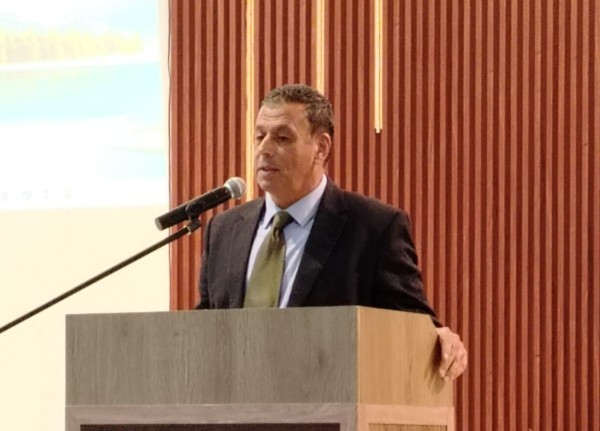
In a keynote speech, Dr. Abdul Nasser Al-Hamouri, an academic specializing in management and planning, called for adopting a clear strategic vision to develop tourism in Kathraba based on scientific and well-studied planning foundations, relying on sustainability and community participation principles.
“Kathraba’s unique geographical location on the shores of the Dead Sea gives it a rare strategic advantage and qualifies it to become a first-class tourist destination capable of attracting visitors from inside and outside the kingdom, provided that this location is invested within an integrated developmental framework.”
He added that it is essential to establish well-planned tourist routes linking the heritage and natural components of the area to revive Kathraba and activate tourism movement, positively impacting the local community, enhancing job and investment opportunities, and contributing to reducing internal migration.
Al-Hamouri pointed out that Kathraba is rich in great archaeological and historical treasures, alongside abundant natural resources such as springs, fresh water, and agricultural products dating back to ancient times, confirming that these elements form a solid base for building integrated tourism projects combining authenticity and modernity.
He emphasized the importance of involving all segments of the local community, including youth and women, in tourism development projects, providing a supportive environment for community initiatives, and activating the role of educational and cultural institutions in raising awareness about the importance of local heritage and strengthening attachment to the place.
He also called for activating partnerships between the public and private sectors, providing technical and financial support to small and medium projects, and facilitating administrative procedures to ensure the sustainability of efforts and achieve tangible results on the ground.
The forum included a series of dialogue sessions and research presentations that addressed Kathraba’s history and ancient trade routes such as the Incense Route, Trajan, and the Quraish Ilaf, in addition to presenting archaeological survey results that revealed dozens of historical sites scattered throughout the area.
The event concluded with a field visit to the heritage museum and laboratory at Kathraba Secondary School for Boys, where participants viewed heritage and educational exhibits documenting the social and cultural history of the area. The tour also included several scenic viewpoints reflecting the beauty of nature and the diversity of local heritage, confirming that Kathraba is not just a passing town but a custodian of the memory of the place and a key to a promising tourism future.




Recommended for you
Talib Al-Rifai Chronicles Kuwaiti Art Heritage in "Doukhi.. Tasaseem Al-Saba"
Exhibition City Completes About 80% of Preparations for the Damascus International Fair Launch
Al-Jaghbeer: The Industrial Sector Leads Economic Growth
Unified Admission Applications Start Tuesday with 640 Students to be Accepted in Medicine
Egypt Post: We Have Over 10 Million Customers in Savings Accounts and Offer Daily, Monthly, and Annual Returns
His Highness Sheikh Isa bin Salman bin Hamad Al Khalifa Receives the United States Ambassador to the Kingdom of Bahrain