






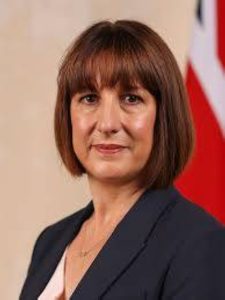

Dr. Rania Al-Mashat, Egypt’s Minister of Planning, Economic Development and International Cooperation, stated that the ministry is currently working in consultation with the European Union delegation in Cairo to prepare a new cooperation framework for the period 2025 to 2027. This framework aligns with shared goals and priorities and ensures program integration to support reform implementation under the macroeconomic support and budget support mechanism, keeping the reform path on track.
She confirmed that this new framework, which includes grants worth €600 million under the strategic and comprehensive partnership, will be directed towards key cooperation areas between Egypt and the EU, ensuring funding aligns with national priorities and achieves maximum developmental impact.
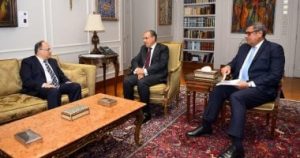
This was announced during Dr. Al-Mashat’s meeting with Dubravka Šuica, European Commissioner for Neighborhood and Enlargement, and Jozef Síkela, European Commissioner for International Partnerships, to discuss cooperation and partnership framework with the EU. The meeting took place during her participation in the Global Gateway Forum 2025 organized by the EU in Brussels from October 8 to 10, with high-level participation from government leaders, international finance institutions, and development partners worldwide.
The meetings discussed strategic relations between Egypt and the EU, developments in the Middle East, and ongoing efforts to establish peace and stop the war in Gaza. The European side emphasized the pivotal role of Egypt and the efforts of President Abdel Fattah El-Sisi to achieve stability and security in the region.
Dr. Al-Mashat also discussed developments in the strategic and comprehensive partnership framework between Egypt and the EU, highlighting European investments amounting to €7.4 billion under this partnership. These investments are distributed across six priority axes: enhancing political relations, supporting economic stability, encouraging investment and trade, developing migration and mobility frameworks, enhancing security, and supporting human-centered initiatives such as skills development and education.
Regarding the macroeconomic support and budget support mechanism (MFA), the minister noted that the first tranche of €1 billion was disbursed in December last year. She explained that from January to June 2025, Egypt, in cooperation with the EU Directorate-General for Economic and Financial Affairs and national authorities, conducted consultations to identify 87 reforms to be implemented in the second phase of the program, which will be financed with €4 billion from the second phase.
Al-Mashat reviewed the “National Economic Development Narrative,” prepared based on directives from the President and Prime Minister, and in accordance with Egypt’s General Planning Law No. 18 of 2022 and Unified Public Finance Law No. 6 of 2022. These laws form the legislative framework for setting national strategic goals, priorities, linking them to macroeconomic policies, and ensuring consistency between planning, budgeting, and performance indicators across government entities.
She indicated that the national narrative provides a comprehensive framework ensuring the government’s work plan aligns with Egypt Vision 2030, responds to changing regional and international developments, continues economic reform, focuses on high productivity and export-oriented sectors, and enhances the private sector’s role as a main growth and job creation engine. This framework covers policies related to investment, industry, trade, and employment, with emphasis on manufacturing, tourism, agriculture, energy, and information and communication technology sectors.
She added that the narrative serves as the general framework for inclusive development, under which specific measures and reforms in the first and second phases of the macroeconomic support and budget support program fall. This ensures full alignment between EU-supported reforms and Egypt’s national economic policies. The first chapter of the narrative addresses the comprehensive partnership agreement with the EU as part of Egypt’s efforts to maximize developmental financing benefits.
She pointed to the strategic and comprehensive partnership between Egypt and the EU signed on March 14, 2024, which defines shared priorities and strategic goals to guide cooperation efforts, ensure alignment with Egypt’s national priorities, and respond to emerging needs within an integrated, long-term cooperative framework.
Regarding the existing cooperation portfolio between Egypt and the EU, the minister emphasized the EU’s importance as a key strategic development partner contributing to priority projects across various sectors. The current portfolio value is about €1.3 billion, including grants and concessional financing. She highlighted cooperation under integrated financing programs supporting vital sectors such as transport, water, agriculture, small and medium enterprises, renewable energy, social protection, governance, civil society, and capacity building.


Recommended for you
Talib Al-Rifai Chronicles Kuwaiti Art Heritage in "Doukhi.. Tasaseem Al-Saba"
Exhibition City Completes About 80% of Preparations for the Damascus International Fair Launch
Al-Jaghbeer: The Industrial Sector Leads Economic Growth
Unified Admission Applications Start Tuesday with 640 Students to be Accepted in Medicine
Egypt Post: We Have Over 10 Million Customers in Savings Accounts and Offer Daily, Monthly, and Annual Returns
His Highness Sheikh Isa bin Salman bin Hamad Al Khalifa Receives the United States Ambassador to the Kingdom of Bahrain